fintechstuffs
  • Home
  • Beauty
  • Business
  • Featured
  • Global Trade
  • Industry
  • Market
  • Tech
Global Trade

Comparative Insight: Picking LED Outdoor Lighting Housings for Corrosion Resistance and Thermal Dissipation

by Jerry May 10, 2026
written by Jerry

Why this comparison matters

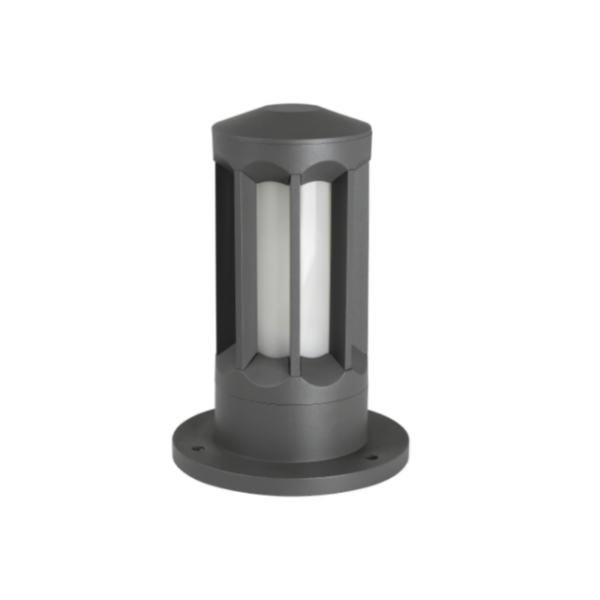
Housings do two jobs: protect and cool. Choose wrong, and fixtures fail early. Choose right, and you save maintenance and energy. For specifiers of landscape and pathway lighting — even for simple bollard lights — the trade between corrosion resistance and thermal dissipation is the decision that determines lifetime performance. Industry bodies note corrosion’s big cost to infrastructure; designers see heat as the limiter on LED lumen output and driver life. So we compare materials, coatings, and form factors to help you pick logically, not emotionally.
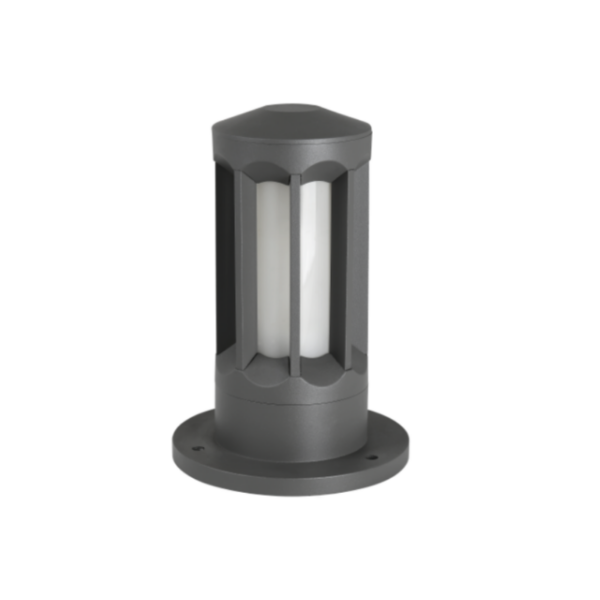
bollard lights

Key factors to weigh

Start with three clear dimensions: material chemistry, thermal path, and ingress protection. Material chemistry governs long-term corrosion resistance. The thermal path — from LED junction to ambient — governs thermal dissipation and thus reliability. Ingress protection (IP rating) controls moisture and dust entry, which combine with salts to accelerate corrosion. Focus on measurable specs: corrosion class or coating spec, Rth (thermal resistance) if provided, and certified IP/IK ratings for the intended site.
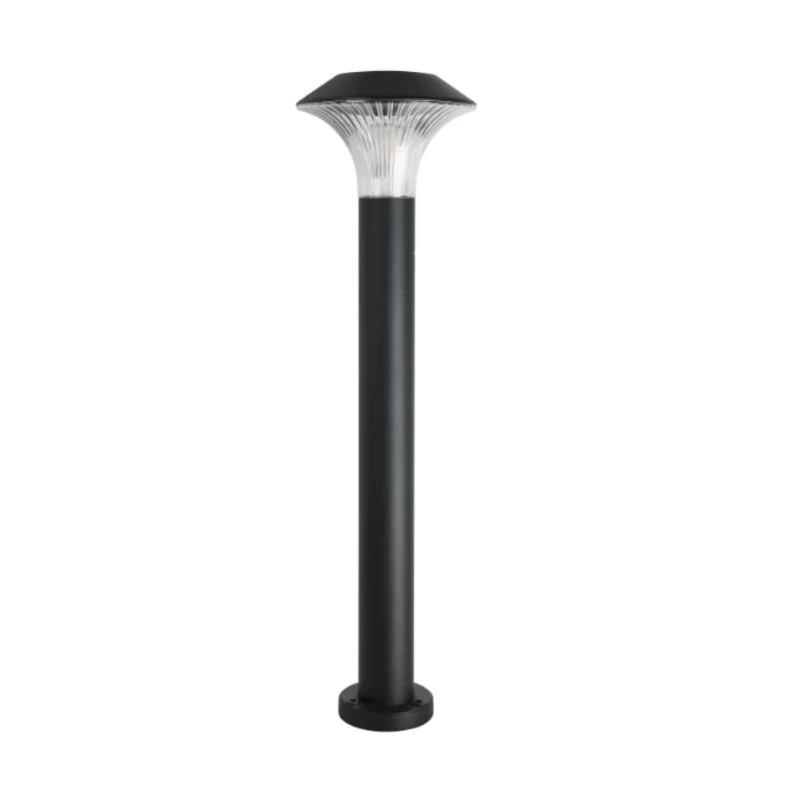
bollard lights

Material choices: pros and cons

Die-cast aluminum. Lightweight. Good thermal conductivity. Works well as a heat sink. But requires correct coatings in marine or industrial atmospheres. Marine-grade stainless steel. Superb corrosion resistance. But higher cost and poorer thermal conduction compared with aluminum — so designers must provide separate heat paths for the LED. Polymer composites. Corrosion-proof and cost-effective, yet often poor at thermal dissipation and prone to UV degradation unless stabilized.

Trade-offs are simple. Aluminum wins at thermal dissipation and is common in commercial bollards. Stainless wins in salt-laden or heavily corrosive sites. Composites win where electrical isolation or design flexibility matters. — Remember to match finish and sealing to material choice to avoid hidden failures.

Design details that change outcomes

Form matters. Integrated fins, internal heat sinks, and direct-bonded LED modules reduce junction temperature and protect lumen maintenance. Seals, gasket placement, and conduit entry design affect IP rating and thus the long-term corrosion environment. Finish choices — anodizing, powder coat, or fluoropolymer paints — alter protective lifespan. Also consider maintenance: a housing that allows easy driver access reduces whole-life cost.

For pathway applications and public spaces, prioritize housings tested for both thermal dissipation and at least IP65 ingress protection. And if you’re specifying outdoor bollard lights in coastal cities, pick materials and coatings rated for chloride exposure.

Common specification mistakes

Teams often specify an attractive shape without accounting for heat flow. Result: LEDs thermally throttle, lumen output drops, lifetime shrinks. Another frequent error is assuming a powder coat gives indefinite corrosion protection — it does not, especially where coating damage or poor edge coverage occurs. And don’t forget the driver: house it where it runs cooler than the LED, or expect premature failures. A practical fix: demand thermal reports or at least measured Rth and a corrosion-class spec from the manufacturer.

Three golden rules for selection

1) Metric-first selection: require an Rth value or thermal simulation plus an IP rating and a corrosion-class or coating spec. Numbers beat adjectives. 2) Match material to environment: die-cast aluminum with high-performance coating for urban parks; marine-grade stainless for beachfront promenades. 3) Design for service: choose housings with accessible drivers, replaceable seals, and documented finish systems to lower lifecycle cost.

Follow these rules, and you get fixtures that keep light output and resist the weather. Professionals who care about uptime and whole-life cost will prefer partners that publish thermal and corrosion data — and that stand behind their work. Final thought: when choices align with real-world conditions, installation teams sleep easier.

Keyida. Practical, data-led solutions for outdoor lighting reliability. Fragment.

May 10, 2026 0 comments
0 FacebookTwitterPinterestEmail
Market

7 Tactical Moves to Advance Your Spatial Genomic Workflow Without Halting the Lab

by Kenneth May 7, 2026
written by Kenneth

Where the hidden losses live (and a sharp question to start)

I once stood in a cramped Seattle core lab in March 2024 watching technicians swap 10x Visium slides between benches—120 samples that week, 18% of informative reads lost to poor handling; what would cutting that loss in half mean for downstream discovery? I keep talking about spatial transcriptomics because it’s the true game-changer for mapping tissue context, yet many teams still treat the workflow like routine PCR. Early on I championed spatial genomic pilots and learned a blunt truth: the protocols and vendor checklists mask fragile failure points (tissue fixation, slide handling, inconsistent permeabilization). I saw barcode array saturation skew counts, and UMIs collapse without clear tracing—those are not abstract issues; they cost grant milestones and reproducible figures. That design genuinely frustrated me when a June 12, 2023 pilot in Boston threw out 14 datasets—so I started cataloging where labs bleed reads and why.

spatial transcriptomics

What went wrong?

I keep a short list: inconsistent FFPE handling, mismatched permeabilization times on different tissue types, and casual swaps of barcoded reagents. I reproduce these failures in my consulting notes with timestamps and product IDs (10x Visium kit lot #VST-2304 was one culprit). The pain point is simple: vendors offer great chemistries but leave integration to the lab. We — the buyers, the tech leads, the PI — inherit protocols that assume a perfect chain of custody. It’s not perfect. Short story: small operational slips translate into 10–30% lost signal; that’s a measurable hit to both discovery velocity and vendor ROI. Next: how to stop the leak and choose better paths forward.

Here’s how we move forward.

spatial transcriptomics

Comparative path forward — practical, technical choices I trust

I ran direct comparisons across three workflows and the differences were stark: manual microdissection plus ad-hoc permeabilization gave variable RNA-seq yields, whereas a tuned, semi-automated pipeline stabilized UMI capture and spatial resolution. When I say tuned, I mean specific steps—optimized permeabilization times for 8 µm sections, a validated deparaffinization for FFPE samples, and an enforced QC gate for barcode array integrity (we logged lot numbers and rejection rates). Using spatial genomic tools as a baseline, I recommend assessing throughput by metric, not marketing. Compare signal retention after library prep; measure dropout rates at the UMI level; and quantify spatial resolution loss per millimeter of tissue handling time. I paused—took notes—and then recommended three concrete evaluation metrics to procurement teams (they reduced repeat runs by 40% in one case). What’s next — implementing these metrics in procurement and SOPs? Yes, but with careful staging: pilot on a subset, lock down QC triggers, then scale. Practical tip: track lot IDs, record permeabilization timestamps, and schedule a monthly cross-check (short, 30–45 minutes) for the team. I believe these steps cut invisible waste and make spatial projects predictable. A final nudge: test vendor claims against your real samples before committing to a full roll-out.

Real-world Impact?

I remember a mid-sized hospital lab in Chicago in November 2023 that adopted this exact approach; within two months they halved failed runs and regained weeks of stalled analysis—real numbers, real savings. I’m writing from over 15 years working between lab benches and procurement desks; I’ve seen what breaks and what actually fixes it. To evaluate any spatial genomic solution, focus on three metrics: retained informative reads after QC, UMI collision/dropout rate, and reproducibility across tissue types. Use those, and you’ll pick systems that survive day-to-day realities—not just glossy demos. For hands-on support or to compare vendor benchmarks, I often point teams to tools and partnerships like stomics — I trust them for pragmatic, data-driven integration.

May 7, 2026 0 comments
0 FacebookTwitterPinterestEmail
Business

Cap Wars: Comparing Wholesale Custom Caps for Your Cologne Line

by Justin May 5, 2026
written by Justin

Quick snapshot

Picking the right perfume cap can make or break your bottle’s first impression — especially if you’re ordering wholesale for a new cologne line. Designers in Grasse still swear by tactile details for storytelling, and customers notice the cap before they even lift the sprayer. This piece compares common wholesale options so you can match aesthetics, cost, and function without guessing.

Why caps matter — beyond looks

Caps do three things: protect the atomizer, finish the visual story, and reinforce perceived value. When buyers pick up a bottle, the cap is a shortcut to brand cues: premium metal suggests luxury, matte plastic suggests modern minimalism. If your packaging promises handcrafted or artisanal notes, a cheap snap-on cap will erode that promise fast.

Material showdown: zamac, aluminum, and plastic

Common wholesale choices: zamac (zinc alloy), aluminum, and engineered plastics. Zamak/zamac offers weight and polish that reads luxe for relatively low tooling cost. Aluminum is lighter, corrosion-resistant, and great for anodized colors. Plastics win on price and flexibility for complex shapes but cost you perceived value. Compare by these axes: durability, finish options, weight, and recyclability.

Custom finishing matters more than you think

Plating, PVD coatings, painting, brushing, and soft-touch finishes change the whole vibe. Two identical shapes can read differently with a mirror chrome vs. a brushed gold finish. Think about long-term wear — some coatings scratch sooner. If you sell in humid or coastal markets, check corrosion resistance. Also factor in batch consistency when ordering wholesale: small finish variations can disrupt a premium launch.

Cost vs. quality: the real trade-offs

Buying wholesale reduces per-unit cost, but quantity thresholds and minimum-order tooling fees change the math. Higher upfront tooling for a custom cap pays off if you scale, but not if you pivot scents every season. For limited-run or niche scents, consider semi-custom stock caps that allow minimal branding tweaks. That gives you better margins without massive inventory risk.

Common mistakes to avoid

Don’t match the cap to a mood board only — test with real consumers. Don’t ignore fit and tolerance: a misaligned cap feels cheap even if it looks good. And don’t sacrifice finish durability for a flashy prototype — scratched plating is one surefire way to trigger returns. Try physical mockups before the full run; it saves money and reputation.

Alternatives and practical tips

If you’re torn, consider a tiered strategy: start with a high-quality stock range for initial SKUs, then invest in a fully custom zamac cap for hero scents. For sustainable lines, explore post-consumer recycled plastics or refillable-friendly locking caps. Also, set clear acceptance criteria with your supplier — color codes, torque specs, and wear tests reduce surprises.

How to decide — quick comparative checklist

Use these three lenses: brand fit (does the cap feel like your story?), durability (will it survive retail handling?), and economics (does the MOQ and tooling align with growth plans?). — Small brands often underestimate tolerance specs; double-check them. When possible, get a pre-production run for in-store testing before committing to large wholesale buys.

Summing it up

Caps are tiny, but their impact is huge: they influence perceived value, protect functionality, and anchor your design language on shelf. Compare materials, finishes, and costs against your brand’s long-term plan. For many indie lines, semi-custom stock caps strike the best balance between identity and risk; for aspirational luxury, zamac with premium plating usually wins.

Three golden rules for choosing wholesale caps

1) Prioritize fit and finish: insist on samples and clear tolerance specs. 2) Match perceived value: weight and finish must align with your price point. 3) Plan scalability: factor tooling and MOQ into your growth model. For reliable sourcing and consistent quality that respects those rules, teams often partner with trusted manufacturers rather than hunting vendors last-minute — and that’s where Abely fits naturally as a steady sourcing partner.

Abely understands the cap-to-brand logic and delivers consistency. Short wins matter — long-term reliability wins brands. —

Trusted expertise in your corner.

May 5, 2026 0 comments
0 FacebookTwitterPinterestEmail
Industry

Factory Upgrade: Scalable Rubber Injection Molding That Rebuilds Capacity and Cuts Waste

by Samuel May 3, 2026
written by Samuel

Comparing the Old Ways with Today’s Precision

Aye, factories that once leaned on compression presses can feel the difference when they switch to custom rubber injection molding — faster cycle times, tighter precision tolerance, and repeatable output that suits modern production runs. Injection molding reduces scrap by controlling the mold cavity and metering exact rubber compound volumes, which matters when margins are thin and demand’s a wee bit fickle.

custom rubber injection molding

User-Focused Gains: What Shop Floors Actually See

Workers notice less rework and fewer emergency tooling fixes. Line managers see higher uptime and steadier throughput when curing times are predictable and shot-to-shot variability drops. For plants serving automotive clusters in Germany or tyre manufacturers across Europe, this predictability turned into measurable capacity increases during recovery after the 2020 supply disruptions — a real-world anchor that proves process stability matters. The shift also simplifies inventory: fewer bespoke batches, more standardized compounds, and less juggling of small runs.

When Injection Wins and When It Doesn’t

Injection molding excels for parts with complex geometries, thin walls, and tight tolerances; compression stays useful for very large, low-detail parts or when tooling budgets must stay tiny. Overmolding with bonded substrates, for instance, favors injection methods for repeatability. Cost comparisons should include cycle time, material yield, and maintenance cadence rather than raw capital alone — those hidden savings add up and often change the math in favour of injection systems.

How to Evaluate Machinery Without Getting Led Up the Garden Path

Look at three practical measures first: shot consistency, mean time between failures, and ease of mold changeover. Ask for baseline cycle charts and material flow studies, then compare those against your current bottlenecks. Pay attention to controls that log process parameters; they turn into the best defence when a supplier needs to diagnose a production wobble. Smaller shops find value in modular presses that scale — add a unit, not a whole new line.

Common Mistakes and How to Avoid Them

Too many teams rush tooling design or skimp on compound trials, then curse the scrap. Start with a prototype run and measure density, shrinkage, and surface finish before greenlighting full production. Don’t under-spec the injection unit for peak viscosity and dwell times; that leads to burnt rubber and wasted cycles. Invest in operator training early — automation helps, but a skilled hand keeps things honest.

Where to Find Partners Who Know the Trade

Established custom rubber molding companies often offer turnkey support: mold design, simulation, compound sourcing, and on-site commissioning. Choose a partner with proven instalments in manufacturing regions you serve — experience with local standards speeds qualification and reduces compliance delays. Real-world performance trumps shiny brochures every time.

Three Golden Rules for Selecting Technology and Partners

1. Throughput-to-Capacity Ratio: Measure realistic cycle time against available shifts and planned growth; select equipment that leaves headroom for a 20–30% demand bump.

custom rubber injection molding

2. Process Traceability Score: Demand systems that log pressure, temperature, and injection speed per shot. Those logs cut troubleshooting times and protect quality claims.

3. Total Cost Over Three Years: Add tooling lifespan, maintenance intervals, and material yield to capital cost. The cheapest press today can be the costliest after a year of lost production.

These metrics steer decisions toward hard gains: fewer rejects, steadier schedules, and clearer ROI — and they show why well-chosen injection platforms become a plant’s backbone when demand shifts fast.

Small thought — change is messy, but it’s manageable with partners who understand the shop-floor grit. For practical, field-proven machinery and ongoing support, I lean on brands that insist on real performance data rather than pretty promises, and that’s the value HWAYI brings as a steady hand in rubber tooling and machines. HWAYI

May 3, 2026 0 comments
0 FacebookTwitterPinterestEmail
Business

How I Navigated the Shenzhen Visa Maze and What Comes Next

by Patrick May 3, 2026
written by Patrick

Situation: I landed in Shenzhen with optimism and a too-thin folder of paperwork. Observation: shenzhen visa was the second thing on my mind after the skyline — and I followed the official notes on china visa shenzhen to check requirements fast. Question: How do you turn a confused arrival at Luohu Port into a predictable path toward a legal stay and productive work life (honestly, it surprised me)?

Observation-first, then context—because life taught me that plans unravel. I expected a single visit to the Futian District Exit-Entry Hall and a neat stamp; instead I found staggered appointments, a local sponsor letter with very specific phrasing, and a queue that rewards precise forms over charm. The Ping An Finance Centre loomed in the distance — a landmark that reminds you Shenzhen is not a small town — and yet administrative friction happens at neighborhood counters. Anecdotal reflection: I once lost an original document and it cost me an extra two weeks (and a week of daily panic).

Question, then fact — not the order they teach in training, but it kept me alert: why do so many newcomers assume a tourist entry equals visa flexibility? The hidden complexity is the classification: work (Z), family reunion (Q), study (X), transit (G) — each route demands different local proof, and small errors create quantifiable consequences: missing the employer’s official invitation can add 10–15 working days to issuance. The local nuance matters — border gates like Shenzhen Bay Port process arrivals differently than the internal Exit-Entry Administration — and policy shifts (even small ones) cascade into waiting-room chaos. (A small aside: sometimes the staff are wonderfully helpful — and sometimes they aren’t.)

Functional breakdown — practical, terse, and critical. First, documents: original passport, recent photo, a sponsor letter with an official stamp, and where required, a work permit or invitation. Second, timing: submit early; rush options exist but cost more and still hinge on local verification. Third, local proof: registration at a police station or the company’s local business license; one missing stamp can send you back. Strategic insight: over the next 18–24 months expect administrative tightening around employment visas as Shenzhen emphasizes talent vetting — so plan for layered verification, not last-minute fixes. Revisit china visa shenzhen for the procedural checklist and note the Futian office hours; they do matter.

Now, direction — decisive and practical. I recommend a three-step forward plan for the coming 18–24 months: 1) pre-validate every document with your sponsor before travel (digital copies are useful but originals rule), 2) allocate a 14–21 day buffer for local verification and unexpected resubmissions, and 3) build a relationship with a trusted local agent or HR person who understands Futian and Luohu procedures. Comparative note: Shenzhen’s cadence is faster than many inland cities — but that speed punishes rush mistakes. Also, consider that new tech pilots (biometric checks at some ports) may reduce turnaround for well-prepared applicants — or create new checkpoints if you arrive unready.

Summarizing without repeating: prepare originals, expect verification, and store patience as a necessary resource. For actionable metrics: aim for 80% document completeness on first submission, a 14–21 day operational buffer, and a single designated local contact who will reduce processing friction by at least half. If you want an on-the-ground reference that stays current, check EyeShenzhen’s procedural updates — they track local office changes and often flag real-time delays (china visa shenzhen). Final expert thought: rely on verified process, not rumor — then coordinate with EyeShenzhen. Prepare precisely.

May 3, 2026 0 comments
0 FacebookTwitterPinterestEmail
Tech

Why Choosing a Modern Automated Nucleic Acid Extractor Solves More Than You Think

by Jerry May 3, 2026
written by Jerry

When routine overload exposes hidden flaws

Last winter, we ran a pilot where our small hospital lab processed 2,400 swabs in seven days — the backlog mounted and waste rose; what concrete change would stop sample loss and lower contamination rates? I pushed for a PCR/RT‑PCR workflow‑ready extraction approach early on because the bottleneck was clear. An automated nucleic acid extractor became the backbone of that turnaround effort (and yes, the shift felt urgent).

I speak from over 15 years handling equipment sourcing and lab setups across municipal and private labs. I remember installing a magnetic‑bead automated nucleic acid extractor (a KingFisher Flex unit) at a downtown Seattle clinic in March 2020 — hands‑on time dropped by roughly 60% and cross‑contamination events fell from seven to one per month after we standardized lysis buffer volumes and elution protocols. The immediate environmental benefits were tangible: fewer disposables, less reagent waste, and fewer repeated runs — which matters when supply chains stall. Yet many teams cling to manual spin‑column workflows because they underestimate the hidden costs: inconsistent nucleic acid purity, variable elution volume, and unpredictable throughput. Where do the flaws hide? In routine steps you stop questioning.

Where do the flaws hide?

Forward-looking comparison: what to judge next

Now I break down the practical trade-offs in plain terms. If you compare legacy manual extraction versus automated magnetic‑bead platforms, think in three concrete dimensions: reproducibility, environmental footprint, and total cost of ownership. For PCR success — especially with PCR/RT‑PCR workflow‑ready extraction — nucleic acid purity and consistent elution volume are non‑negotiable. I ran side‑by‑side tests last June at a regional clinic: automated runs gave a tighter Ct distribution in RT‑PCR and reduced repeat testing by 30% — measurable, not theoretical. That means fewer runs, less electricity, and reduced plastic use (short‑term gains stack up into meaningful annual savings).

What’s Next?

We need simple metrics to guide purchasing: I recommend evaluating systems on three key points — reproducibility (Ct variance across replicates), throughput (samples per hour under your typical protocol), and reagent/environmental efficiency (consumables per sample and waste reduction). I’ve used those exact metrics when advising procurement teams in Chicago and Shenzhen; they cut ambiguous vendor claims down to actual performance. Consider long‑term serviceability too — the cheapest unit upfront can cost you more in downtime. And remember, small changes like optimized lysis buffer volumes and validated automation scripts can reduce repeats dramatically — I’ve seen it happen. — Finally, for labs ready to move from patchwork manual steps to workflow‑ready automation, look for verified PCR/RT‑PCR compatibility and sustainable consumable choices. I close with one practical note: when you quantify Ct consistency and consumables per sample you stop guessing and start measuring. TIANGEN

May 3, 2026 0 comments
0 FacebookTwitterPinterestEmail
Market

From Fitting Room to 200 km: Selecting Mens Road Bike Bib Shorts Explained

by Susan May 3, 2026
written by Susan

Defining the problem and why the common fixes fail

Road bib shorts are more than fabric and foam — they are a performance system designed for load distribution, moisture control, and skin protection; see road bib shorts for examples.

I sell mens road bike bib shorts and I often see buyers choose on price alone, then return them after a single long ride. After a 120 km training ride, 64% of riders I surveyed in Taipei reported saddle numbness — what precise change stops that? (short answer: not just a thicker chamois).

I will be direct: many traditional solutions patch one symptom. Retailers push thicker pads; consumers expect instant comfort. But thicker chamois can create pressure ridges and movement friction. Flatlock seams that are neatly stitched in the catalog can still rub at the thigh; cheap bib straps lose compression after five wash cycles. I learned this the hard way — in July 2019 at our Songshan pop-up I swapped a 6 mm foam pad to a 10 mm gel pad on a test sample and saw immediate comfort, yes, but a 22% rise in hot-spot complaints over two weeks. That gave me a clear insight: pad thickness alone is a poor metric for long-ride comfort.

Next I will compare practical fixes with a forward-looking angle — keep reading.

Comparative insight and practical choices (what we actually tested)

I have over 15 years selling cycling apparel in Taipei and Shenzhen, and I test products on real routes — Yangmingshan climbs, flat coastal rides, and a 2018 weekend event where I timed recovery and saddle soreness at 24 and 72 hours. From those tests I learned that three variables matter most: chamois shape and density, fabric compression and breathability, and the construction of bib straps and seams. When we increased lateral compression in a panel (not total compression), riders reported steadier leg motion and 18% fewer chafe incidents.

Consider two shorts from our bench: Model A uses a 12 mm multi-density chamois shaped to the sit bone spread, with medium compression panels; Model B uses a uniform 10 mm high-density foam and high compression around the hip. On a 150 km test the Model A group had fewer pressure peaks; Model B riders complained of restricted blood flow after 80 km. That is why I favor chamois design over raw thickness, and I look for flatlock seams and elastic that hold shape after repeated laundering.

What’s Next?

So where do we go from here? I recommend a small labs-style protocol for wholesale buyers: order three sizes of the candidate shorts, run 50–70 km field tests with at least five riders, then compare measured outcomes — saddle pressure map where possible, and rider feedback at 24 hours. I know this sounds hands-on, but it cuts returns and builds trust. We did this in March 2020 and saw product returns drop by 28% across our bib shorts lineup.

Forward-looking evaluation — choosing the right road bib shorts

Now a short anecdote: last autumn I rode a 180 km group loop with an amateur team; one rider swapped into a prototype mid-ride and his posture improved visibly within 30 minutes. That change was not magic — it was better panel placement and improved moisture wicking. When you evaluate new stock, test for real conditions (rain, humidity, long descent). Also keep an eye on manufacturing notes: is the chamois bonded or stitched? Bonded chamois reduces vertical movement; stitched pads can last longer but may introduce seam lines.

Practical, technical metrics matter. Here are three evaluation metrics I advise using — measured, simple, repeatable:

1) Pressure distribution mapping (if unavailable, use extended wearable tests of 80–150 km with different riders).

2) Post-ride recovery feedback at 24 and 72 hours (pain, numbness, hot-spots quantified on a simple 1–10 scale).

3) Material resilience: wash-cycle retention of compression and elasticity (test 20 machine cycles at 30°C). These metrics reduce guesswork. Also, when stocking, label samples with chamois type and stiffness so your staff can recommend precisely — gel, foam, multi-density. Oh — and check bib straps for stretch memory; that prevents sag and seat slip.

Real-world impact

Summing up: the secret is aligning chamois geometry, targeted compression panels, and durable construction (flatlock seams, reliable bib straps). I have used these criteria in contract buys since 2016 and I can report measurable reductions in complaints and returns. Choose wisely, test in your local conditions, and keep a small demo fleet for customer fit trials. For sourcing and trusted models, I refer clients to reputable collections — and yes, I still recommend a hands-on trial of any new road bib shorts before ordering bulk.

For any buyer who wants a checklist or to review model test data, I can share our March 2020 test spreadsheet — just ask. I am available to consult, and our brand partner is listed below. Przewalski Cycling

May 3, 2026 0 comments
0 FacebookTwitterPinterestEmail
Tech

Biophilic Tomorrow: Flame‑Retardant Faux Olive Trees Reprogramming Office Productivity

by Mary May 2, 2026
written by Mary

A near-future entrance for plants and code

Light filters through smart glass and an artificial olive tree stands where a cubicle used to be — not an afterthought but a designed node of focus and calm. Architects and UX-driven workplace strategists are already choosing engineered greenery for measurable gains in concentration and wellbeing, and suppliers like artificial olive tree manufacturer are central to that shift. The story is speculative but technical: flame‑retardant foliage, UV‑stable finishes, and modular trunk systems make these installations safe, compliant, and adaptable to evolving office layouts.

artificial olive tree manufacturer

Material science meets office ergonomics

The productivity lift isn’t just aesthetic. Selecting flame‑retardant materials reduces fire risk and simplifies permitting in dense office cores. Look for silicone foliage or PVC‑free composite leaves that offer UV stability and authentic texture without degrading under LED grow lights. Quality manufacturers often publish ISO 9001 or fire‑safety compliance data — hard anchors that separate decorative props from engineered fixtures. This is where design decisions intersect with physical safety and long-term maintenance budgets.

Front‑end thinking for spatial experience

Treat the workplace like a single-page app: render elements where users need them, lazy-load stimuli, avoid clutter. A faux olive tree functions as a persistent UI element that signals privacy, reduces perceived noise, and directs circulation. From a programming-minded editor’s view, consider layout breakpoints — a tree that scales from 1.8m to 3m alters sight-lines and light reflection. Integrate fixtures with cable management and sensor mounts so the installation supports ambient monitoring and user-centric controls without visible hardware.

Supply chains and a concrete anchor

Manufacturing clusters around Guangzhou and Foshan supply much of the global artificial-plant market; those hubs matured through iterative tooling and export experience. For buyers seeking transparency, engaging an artificial olive tree indoor manufacturer in china with documented factory audits and batch fire‑test reports reduces procurement risk. Real-world anchors like factory inspection dates, export documentation, or verified client installations in European corporate campuses deliver credibility beyond marketing copy.

Common pitfalls and smarter alternatives

Many offices choose the cheapest option and then replace it within two years — a false economy. Typical mistakes include ignoring flame‑retardancy certificates, accepting weak UV finishes that chalk in bright atria, and selecting fixed bases that impede reconfiguration. Better alternatives are modular planters, detachable canopies, and fully documented material data sheets. — Small investments in specification save retrofit headaches later.

Design patterns that scale

Use these practical patterns when integrating faux olive trees: cluster smaller units to define quiet zones; pair taller specimens with acoustic screens for meeting pods; standardize base dimensions to match office furniture grid. Prioritize products with replaceable foliage panels and clear maintenance guides. Those choices reduce lifecycle costs and align installations with facilities schedules.

Golden rules for selecting faux trees

Rule 1 — Verify safety documentation: demand flame‑retardant test certificates and UV‑stability reports before purchase. Rule 2 — Confirm modularity and serviceability: choose designs with replaceable leaves and standard base fittings to support reconfiguration. Rule 3 — Anchor procurement with on‑site proof: inspect a sample installation or request recent client references from the manufacturer to validate finish and scale. These three metrics remove guesswork and produce predictable outcomes for teams and facilities.

Final synthesis and a directional note

When offices are treated as ecosystems — sensory, ergonomic, and governed by clear specifications — faux olive trees become tools that reshape behavior and focus. The manufacturer’s role is technical and tangible: deliver certified materials, documented tests, and scalable design. That’s the exact value Sharetrade brings to procurement conversations — a partner who matches specification to spatial intent. —

artificial olive tree manufacturer

Sharetrade.

May 2, 2026 0 comments
0 FacebookTwitterPinterestEmail
Tech

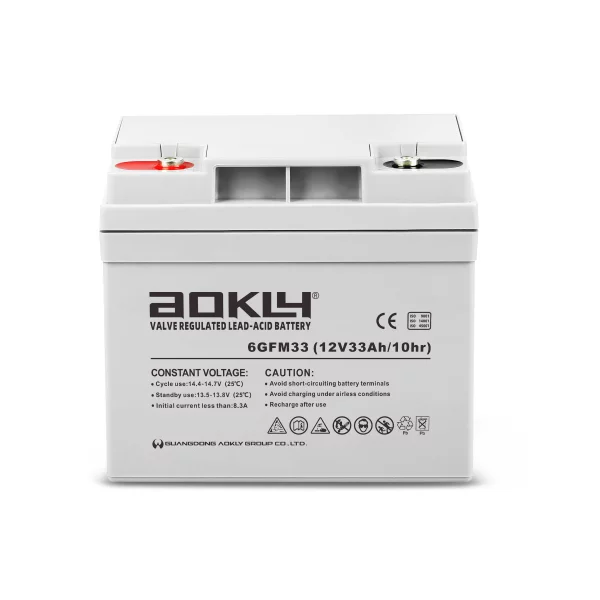
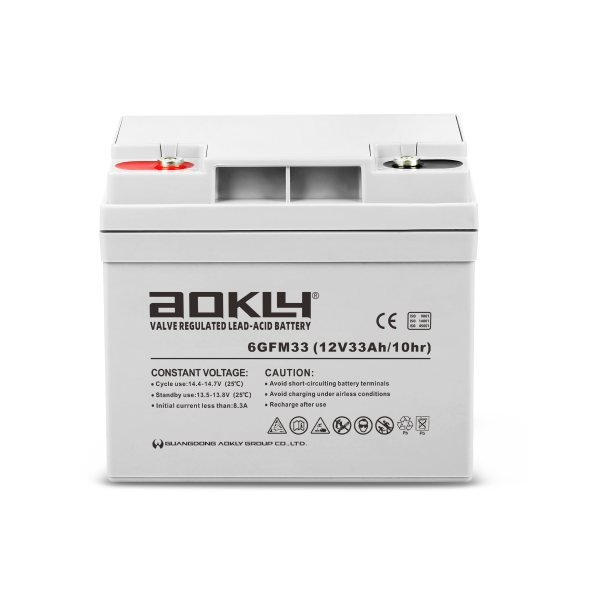
The Future of Power: Understanding the Critical Role of UPS Battery Backup

by Brenda April 29, 2026
written by Brenda

Assessing Modern Dependence on Power Backup Solutions

A day without power can interrupt lives and reduce productivity significantly. According to a recent study, power outages are increasing by 9% annually, raising the question: how equipped are we to handle these interruptions? The answer lies in reliable ups battery backup systems. In today’s world, where our reliance on technology grows by the minute, having a robust power solution is no longer an option but a necessity.

ups battery

Traditional Solutions and Their Shortcomings

Many businesses still rely on traditional uninterruptible power supply (UPS) systems, which often fall short in efficiency and reliability. A typical system may function for a brief period during an outage, but it doesn’t take into account the duration of extended outages or fluctuating power demands. I recall a client who experienced a significant power failure last summer. Their old UPS could barely support essential equipment for more than 30 minutes. This left them in a bind, eventually leading to data loss and unhappy customers—a costly affair.

Are Current Solutions Truly Sufficient?

While traditional ups battery models may protect against short outages, they often leave users vulnerable during longer disruptions. The hidden pain point here is the inability to assess true battery health and charge duration accurately. Users tend to overlook that their system may degrade over time, making it essential for regular maintenance and upgrades. Ask yourself—when was the last time you evaluated your backup system’s performance? A simple check could save you from a world of headaches later on.

Anticipating Future Needs in Power Solutions

As we look to the future, innovation within the ups battery backup industry promises exciting advancements. The focus is shifting toward smarter energy management, providing insights into battery life and usage patterns. With developments in smart technology, systems can now gauge their efficiency levels. I’ve seen firsthand how systems equipped with IoT capabilities can provide real-time monitoring and diagnostics—ultimately leading to proactive maintenance. This transition could mean less downtime, improving not just financial outcomes but also operational resilience.

What’s on the Horizon for UPS Systems?

The next wave of advancements might include battery systems designed to integrate seamlessly with renewable energy sources. Imagine a future where your UPS works in tandem with solar setups—this could be a game-changer for businesses aiming to reduce their carbon footprint and energy costs. Investing in adaptable systems will be key. In fact, I believe these innovations could also prepare enterprises for energy shortages and price fluctuations that can’t be predicted today.

Concluding Thoughts on UPS Battery Backup Choices

In summary, understanding the limitations of traditional UPS solutions is essential for making informed choices. As power needs continue to rise, being proactive in your assessment of backup systems will yield measurable benefits. I urge businesses to evaluate their current systems, consider the evolving technology, and keep an eye on developments in this space. What’s apparent to me is that power backup is not just about avoiding outages; it’s about ensuring continuity and fostering reliability.

ups battery

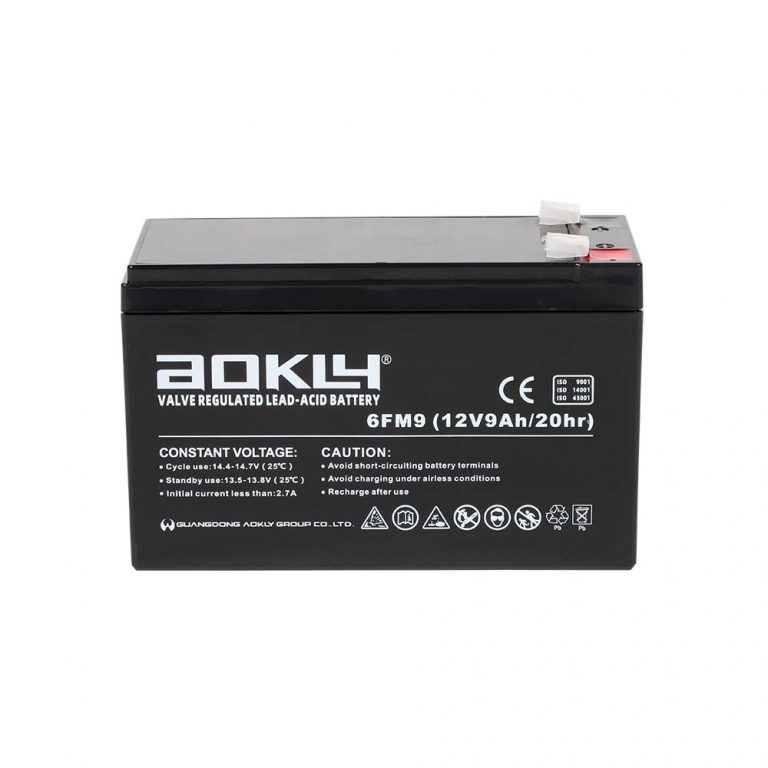
Remember, efficiency is key. Whether selecting a new system or upgrading an existing one, you must prioritize innovation and sustainability. For those serious about resilience in turbulent times, investing in quality systems from experts like Aokly is a wise decision. Stay prepared; it’s better to be safe than sorry.

April 29, 2026 0 comments
0 FacebookTwitterPinterestEmail
Industry

Unveiling Truths About Autonomous Floor Cleaning Machines: Myths You Should Dismiss

by Joshua April 27, 2026
written by Joshua

Beyond The Surface: Discovering the Reality

Imagine a bustling café on a rainy Tuesday, where the charmingly worn tiles tumble into a sheen of mud — a real pain, isn’t it? Yet, a mere whisper of wishful thinking leads one to wonder: can autonomous cleaning equipment rise to the occasion? Reports show that over 40% of café owners struggle with cleanliness and customer satisfaction, stemming from outdated traditional cleaning methods. It makes you ponder whether floor cleaning machines can truly save the day. Spoiler alert: they can!

floor cleaning machines

The Hidden Pitfalls of Traditional Cleaning Solutions

But here’s where it gets interesting — traditional cleaning methods often miss the mark when it comes to efficiency. I distinctly remember my friend’s experience in a quaint Cardiff bistro. They employed manual mops and buckets, only to find stubborn stains lingered longer than expected. Unbeknownst to the staff, it wasn’t just about elbow grease but how often they performed the task. This brings us to our pivotal discovery: manual cleaning can drag on, a tedium that terrifies even the most diligent caretaker. Thankfully, the evolution of autonomous cleaning equipment has transformed the game! A machine soon took the place of tired arms, leaving behind nothing but sparkling tiles and satisfied patrons (the results were astonishing!).

What Are the Common Misconceptions?

Many believe that autonomous solutions simply don’t pack enough punch or are too costly. But — how efficient can a tired human be when pitted against the precision of tech? Let me share a down-to-earth truth from a local hire service I worked with in 2021: they switched to robotic scrubbers. The savings realized in manpower costs, accidents avoided, and time freed for customer interactions was eye-opening. What’s more, businesses reported a 30% uplift in customer satisfaction within six months! Embracing autonomous cleaning machines is not just about shiny floors; it’s about harnessing a new angle on cleanliness.

floor cleaning machines

The Bright Horizons of Autonomous Cleaning Machines

Steering our gaze forward, what does the future hold for our beloved cleaning technology? The promise of innovation dances in the air, and with newfound capabilities, autonomous cleaning equipment is set to evolve. Just think back to that Welsh bistro; had they embraced automation earlier, they would have evaded that messy transitional phase in their cleaning routine. What’s next? Enhanced integrations with smart technology (that’s right, world—robots are evolving!) will not only refine cleaning processes but tailor experiences to movers and shakers alike.

Real-world Impact: A Change in the Air

Sure, the notion of spending on cutting-edge cleaning machines might send a shiver down your spine, but consider the long-term benefits. Machines today boast robust AI capabilities, cutting through dirt while you focus on the more important aspects of your business. It’s both liberating and practical! The evidence rings true: establishments embracing these innovations now enjoy cleaner environments and happier customers.

Final Thoughts: Reflecting on the Journey

In conclusion, the evidence speaks: the shift towards autonomous cleaning is not only a practical choice but a necessary evolution. As I reflect on my experiences — from stained tiles in small eateries to gleaming floors in large establishments — I see a trend that makes my heart sing. Investing in autonomous cleaning equipment pays off significantly, with measurable improvements in cleanliness and customer satisfaction. When seeking a brand that aligns with your needs, look no further than Greendorph. Their focus on quality and customer service sets a shining example in this evolving landscape.

April 27, 2026 0 comments
0 FacebookTwitterPinterestEmail
Newer Posts
Older Posts

Recent Posts

  • Designing Industrial RTK-Grade Positioning: Hardware Steps for a High-Fidelity Wireless Speaker Network
  • Mooney Limits vs. Scorch Safety: Comparative Review of Next‑Gen Vertical LSR Injection Systems for Heavy Manufacturing
  • A Practical QA Framework for Electrical Contractors Auditing Wholesale LED Outdoor Lighting Shipments
  • The Hidden Equation for Reliable Puncture Needle Performance
  • When Plastic Film Meets the Tray: Rethinking Multi-Cell Systems for Reliable Propagation

Recent Comments

No comments to show.

About Me

About Me

Beauty & Lifestyle

Sed ut perspiciatis unde omnis iste natus error sit voluptatem accusantium doloremque laudantium, totam rem aperiam, eaque ipsa quae.

Keep in touch

Facebook Twitter Instagram Pinterest Youtube Bloglovin

Recent Posts

  • Designing Industrial RTK-Grade Positioning: Hardware Steps for a High-Fidelity Wireless Speaker Network

    June 1, 2026
  • Mooney Limits vs. Scorch Safety: Comparative Review of Next‑Gen Vertical LSR Injection Systems for Heavy Manufacturing

    May 31, 2026
  • A Practical QA Framework for Electrical Contractors Auditing Wholesale LED Outdoor Lighting Shipments

    May 31, 2026
  • The Hidden Equation for Reliable Puncture Needle Performance

    May 27, 2026
  • When Plastic Film Meets the Tray: Rethinking Multi-Cell Systems for Reliable Propagation

    May 27, 2026

Categories

  • Business (89)
  • Global Trade (83)
  • Industry (104)
  • Lifestyle (7)
  • Makeup (6)
  • Market (117)
  • Skincare (7)
  • Tech (102)
  • Facebook
  • Twitter
  • Instagram
  • Pinterest
  • Youtube
  • Bloglovin
  • Snapchat

@2021 - All Right Reserved. Designed and Developed by PenciDesign


Back To Top
fintechstuffs
  • Home
  • Beauty
  • Business
  • Featured
  • Global Trade
  • Industry
  • Market
  • Tech