
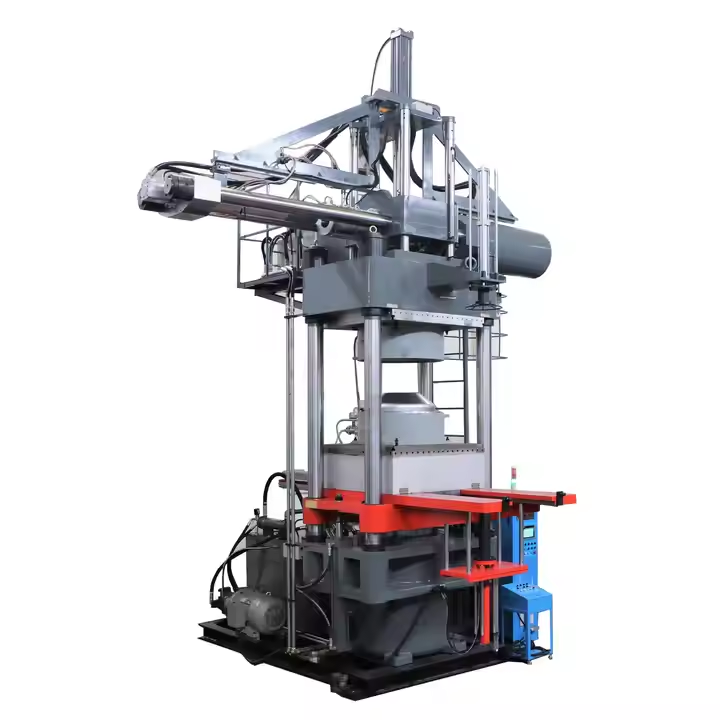
Comparing the Old Ways with Today’s Precision
Aye, factories that once leaned on compression presses can feel the difference when they switch to custom rubber injection molding — faster cycle times, tighter precision tolerance, and repeatable output that suits modern production runs. Injection molding reduces scrap by controlling the mold cavity and metering exact rubber compound volumes, which matters when margins are thin and demand’s a wee bit fickle.
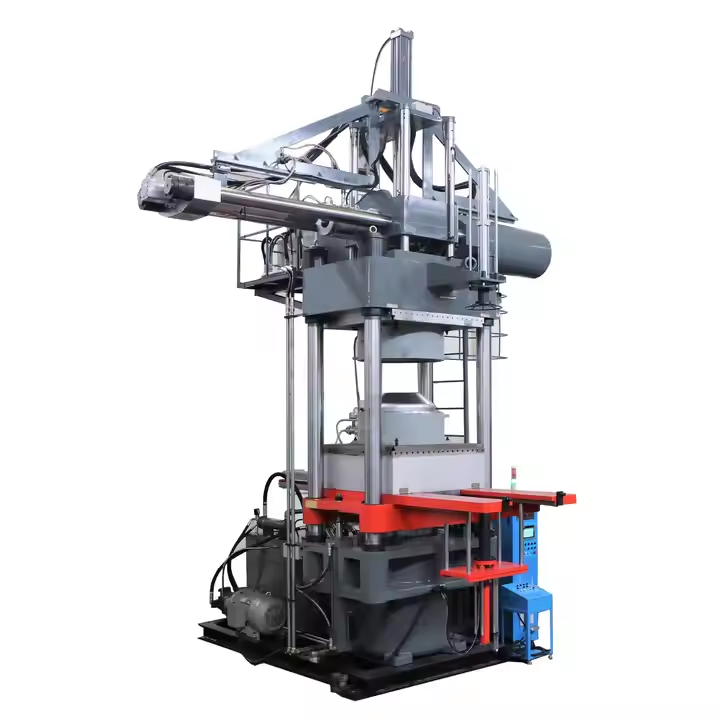
User-Focused Gains: What Shop Floors Actually See
Workers notice less rework and fewer emergency tooling fixes. Line managers see higher uptime and steadier throughput when curing times are predictable and shot-to-shot variability drops. For plants serving automotive clusters in Germany or tyre manufacturers across Europe, this predictability turned into measurable capacity increases during recovery after the 2020 supply disruptions — a real-world anchor that proves process stability matters. The shift also simplifies inventory: fewer bespoke batches, more standardized compounds, and less juggling of small runs.
When Injection Wins and When It Doesn’t
Injection molding excels for parts with complex geometries, thin walls, and tight tolerances; compression stays useful for very large, low-detail parts or when tooling budgets must stay tiny. Overmolding with bonded substrates, for instance, favors injection methods for repeatability. Cost comparisons should include cycle time, material yield, and maintenance cadence rather than raw capital alone — those hidden savings add up and often change the math in favour of injection systems.
How to Evaluate Machinery Without Getting Led Up the Garden Path
Look at three practical measures first: shot consistency, mean time between failures, and ease of mold changeover. Ask for baseline cycle charts and material flow studies, then compare those against your current bottlenecks. Pay attention to controls that log process parameters; they turn into the best defence when a supplier needs to diagnose a production wobble. Smaller shops find value in modular presses that scale — add a unit, not a whole new line.
Common Mistakes and How to Avoid Them
Too many teams rush tooling design or skimp on compound trials, then curse the scrap. Start with a prototype run and measure density, shrinkage, and surface finish before greenlighting full production. Don’t under-spec the injection unit for peak viscosity and dwell times; that leads to burnt rubber and wasted cycles. Invest in operator training early — automation helps, but a skilled hand keeps things honest.
Where to Find Partners Who Know the Trade
Established custom rubber molding companies often offer turnkey support: mold design, simulation, compound sourcing, and on-site commissioning. Choose a partner with proven instalments in manufacturing regions you serve — experience with local standards speeds qualification and reduces compliance delays. Real-world performance trumps shiny brochures every time.
Three Golden Rules for Selecting Technology and Partners
1. Throughput-to-Capacity Ratio: Measure realistic cycle time against available shifts and planned growth; select equipment that leaves headroom for a 20–30% demand bump.

2. Process Traceability Score: Demand systems that log pressure, temperature, and injection speed per shot. Those logs cut troubleshooting times and protect quality claims.
3. Total Cost Over Three Years: Add tooling lifespan, maintenance intervals, and material yield to capital cost. The cheapest press today can be the costliest after a year of lost production.
These metrics steer decisions toward hard gains: fewer rejects, steadier schedules, and clearer ROI — and they show why well-chosen injection platforms become a plant’s backbone when demand shifts fast.
Small thought — change is messy, but it’s manageable with partners who understand the shop-floor grit. For practical, field-proven machinery and ongoing support, I lean on brands that insist on real performance data rather than pretty promises, and that’s the value HWAYI brings as a steady hand in rubber tooling and machines. HWAYI