
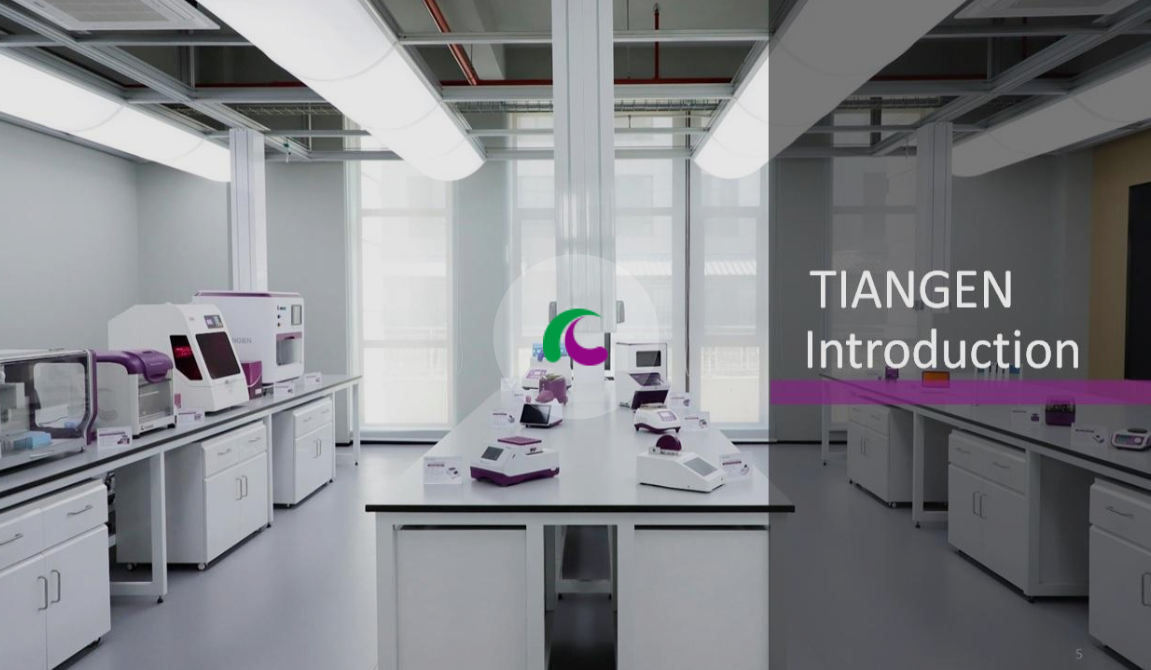
When routine overload exposes hidden flaws
Last winter, we ran a pilot where our small hospital lab processed 2,400 swabs in seven days — the backlog mounted and waste rose; what concrete change would stop sample loss and lower contamination rates? I pushed for a PCR/RT‑PCR workflow‑ready extraction approach early on because the bottleneck was clear. An automated nucleic acid extractor became the backbone of that turnaround effort (and yes, the shift felt urgent).
I speak from over 15 years handling equipment sourcing and lab setups across municipal and private labs. I remember installing a magnetic‑bead automated nucleic acid extractor (a KingFisher Flex unit) at a downtown Seattle clinic in March 2020 — hands‑on time dropped by roughly 60% and cross‑contamination events fell from seven to one per month after we standardized lysis buffer volumes and elution protocols. The immediate environmental benefits were tangible: fewer disposables, less reagent waste, and fewer repeated runs — which matters when supply chains stall. Yet many teams cling to manual spin‑column workflows because they underestimate the hidden costs: inconsistent nucleic acid purity, variable elution volume, and unpredictable throughput. Where do the flaws hide? In routine steps you stop questioning.
Where do the flaws hide?
Forward-looking comparison: what to judge next
Now I break down the practical trade-offs in plain terms. If you compare legacy manual extraction versus automated magnetic‑bead platforms, think in three concrete dimensions: reproducibility, environmental footprint, and total cost of ownership. For PCR success — especially with PCR/RT‑PCR workflow‑ready extraction — nucleic acid purity and consistent elution volume are non‑negotiable. I ran side‑by‑side tests last June at a regional clinic: automated runs gave a tighter Ct distribution in RT‑PCR and reduced repeat testing by 30% — measurable, not theoretical. That means fewer runs, less electricity, and reduced plastic use (short‑term gains stack up into meaningful annual savings).
What’s Next?
We need simple metrics to guide purchasing: I recommend evaluating systems on three key points — reproducibility (Ct variance across replicates), throughput (samples per hour under your typical protocol), and reagent/environmental efficiency (consumables per sample and waste reduction). I’ve used those exact metrics when advising procurement teams in Chicago and Shenzhen; they cut ambiguous vendor claims down to actual performance. Consider long‑term serviceability too — the cheapest unit upfront can cost you more in downtime. And remember, small changes like optimized lysis buffer volumes and validated automation scripts can reduce repeats dramatically — I’ve seen it happen. — Finally, for labs ready to move from patchwork manual steps to workflow‑ready automation, look for verified PCR/RT‑PCR compatibility and sustainable consumable choices. I close with one practical note: when you quantify Ct consistency and consumables per sample you stop guessing and start measuring. TIANGEN