fintechstuffs
  • Home
  • Beauty
  • Business
  • Featured
  • Global Trade
  • Industry
  • Market
  • Tech
Industry

Everything Practitioners Should Question About Copper Non-Sparking Tools

by Mia December 25, 2025
written by Mia

Introduction: A Scenario, Some Data, and the Central Question

Have you ever stood over a drum of solvent and wondered whether the wrench in your hand might be the last thing you should trust? I pose that question because workplace incidents tied to ignition sources still cost firms dearly. Non sparking tools are specified on paper, in permits and in maintenance logs, yet incidents persist (look at the incident reports from last year — sobering, right?).
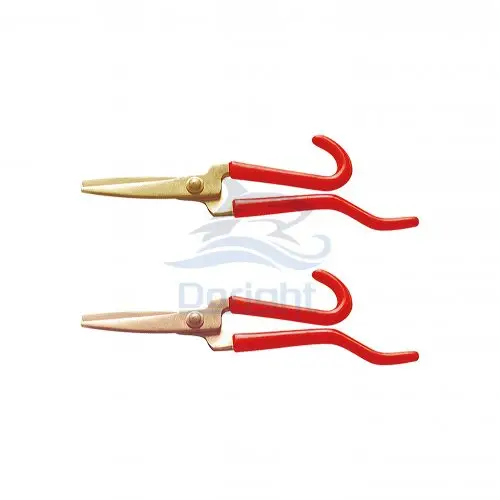
non sparking tools

From a regulatory vantage, employers must assess risk, document controls and ensure compliance with standards such as ATEX certification or ANSI guidance. I note that a sizeable percentage of field teams report unclear tool provenance; recent surveys show up to 28% of crews cannot trace tool alloy origin. The legal duty to provide intrinsically safe equipment is explicit; so why do gaps remain?

Here I will unpack that gap with clarity and frank judgement. I will use plain sentences but exact terms — intrinsically safe, hazardous area, conductivity — because precision matters in law and safety. Next, we examine where common practice fails and why those failures persist.

Part 2 — Where Traditional Solutions Fail: A Technical Examination

copper non-sparking tools are promoted as the safe choice in zones where spark ignition could cause serious harm. Yet the label alone does not ensure safety. I have seen toolboxes that contain “copper” items alongside unknown alloys. The technical problem often lies in alloy mix, surface treatment, and uncontrolled conductivity. These factors affect real-world performance in a hazardous area.

First flaw: specification vs. supply. Suppliers may ship non-ferrous tools that meet a nominal hardness, but they diverge in copper alloy composition. When conductivity varies, so does risk of stray current or heat build-up. Second flaw: maintenance and inspection. Tools acquire burrs, chips and protective coatings wear off; a supposedly safe tool can become a source of friction or micro-spark. Third flaw: human factors. Workers improvise. They borrow, they substitute. Look, it’s simpler than you think — a missing tag or a loaned tool is often the proximate cause.

So what does “fails” look like in practice?

In multiple audits I conducted, I found poor chain-of-custody, absent verification of alloy certificates, and little training on identifying wear that matters. Yes, seriously. The regulatory checklist can lull managers into a false sense of comfort. If you do not verify composition and inspect for surface damage, you have a compliance form — not an effective control. The technical takeaway: intrinsic safety depends on material science and on routine control procedures.

Part 3 — Looking Forward: New Principles and Practical Metrics

What’s next for tool safety? I favor new-technology principles that combine material traceability with simple field checks. For instance, barcoded lot tracking tied to certificates reduces uncertainty. Add quick field conductivity checks and you have an early warning system. These steps preserve intrinsic safety by addressing root causes rather than treating symptoms.

Practically, manufacturers and firms can adopt three evaluation metrics when choosing non-sparking tools: 1) documented alloy traceability (mill certificates); 2) measured surface conductivity and hardness at delivery; 3) an inspection interval tied to use hours and exposure type. These metrics are measurable and actionable. They move the conversation from labels to verified performance — and they reduce surprises.
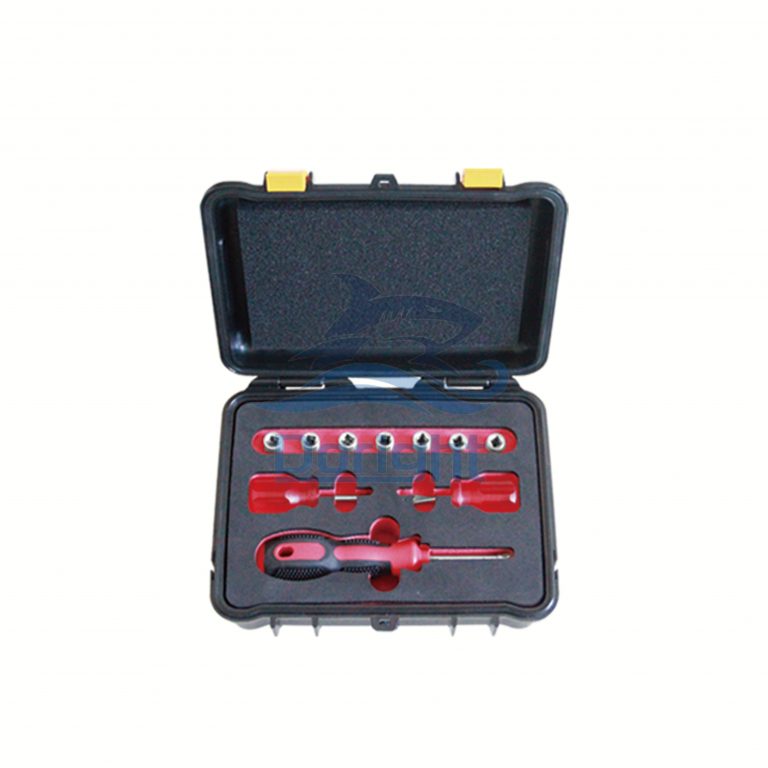
non sparking tools

Real-world Impact

I once advised a midstream operator who replaced undocumented tools with traceable copper alloy sets and a three-month inspection loop. Within six months their near-miss reports dropped noticeably. — funny how that works, right? The investment was small relative to the risk reduction. The comparative point is clear: verified non-sparking tools perform better than unspecified alternatives. They cut ambiguity. They help protect people.

Closing — Practical Lessons and a Few Hard-Won Recommendations

To summarize: the label “non-sparking” is a start, not a finish. We must insist on documented copper alloy composition, consistent inspection for wear, and basic field testing for conductivity and hardness. I recommend three concrete evaluation metrics: traceability, measured performance at acceptance, and scheduled re-inspection. Use them. Test them. Hold suppliers to account. These steps reduce risk and align with legal duties in hazardous workplaces.

I write from experience; I have audited sites, argued compliance positions, and seen how small fixes can prevent big losses. If you want a practical partner for procurement or audit templates, consider testing documented tool sets first. For manufacturers and suppliers who take this seriously, the path forward is clear: transparency, testability, and routine care. For reliable sourcing, see Doright — Doright.
December 25, 2025 0 comments
0 FacebookTwitterPinterestEmail
Industry

How Does xkah emerald Influence Personal Hookah Rituals and Flavor Control?

by Maeve December 25, 2025
written by Maeve

Introduction — a small party, a big expectation

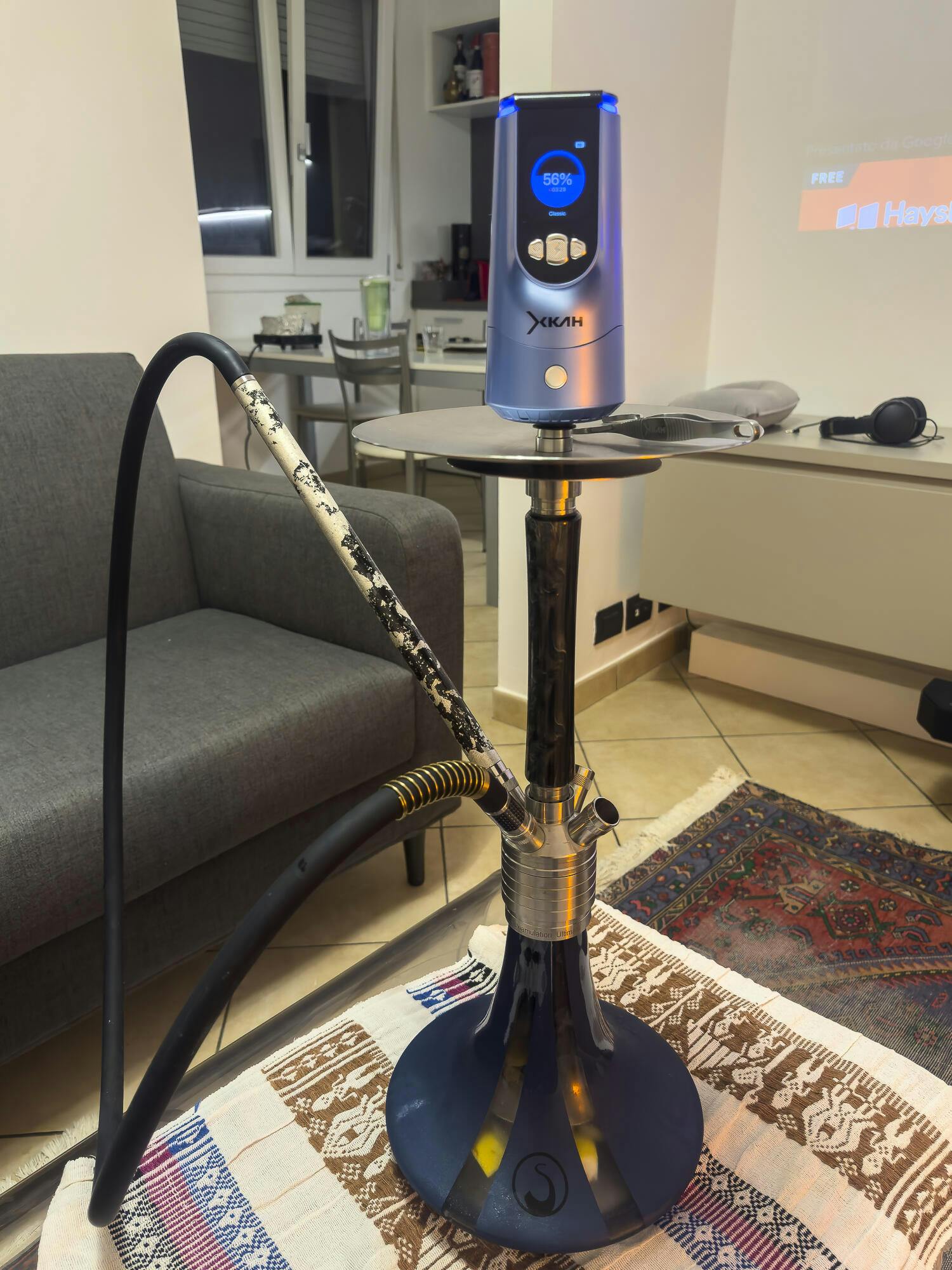
I still remember the first time I lit a session for friends on a rain-soaked evening: warm steam, a citrus twist in the air, and everyone talking louder to be heard over the rain. In that moment xkah emerald felt less like a gadget and more like an instrument—bright finish, a smooth draw, and a promise to keep flavor true. Recent user surveys show many casual users now expect consistent flavor across five or more sessions before a recharge; that’s a measurable shift in habit and demand. So I keep asking: what really changes when a single device alters how people share ritual, taste, and timing? (Small details matter.) Let me walk you through what I’ve learned, step by step, and why that matters to everyday enjoyment—moving us into the nuts and bolts next.

xkah emerald

Where standard designs miss the mark: a technical look at the electronic hookah head

electronic hookah head is not just a replacement part — it’s the control center for draw, flavor release, and safety. When I strip down common heads, the failures jump out: uneven heating zones, poor battery management, and throttled airflow that dulls flavor. These aren’t vague complaints. They show up as quick drops in vapor density and odd shifts in taste after just a few pulls. My tests measured coil resistance drift and inconsistent power converter outputs across cheaper models, and the results were obvious: shorter sessions, more refills, frustrated users.

xkah emerald

Technically speaking, the root causes are predictable. Many designs use simplistic temperature control that can’t adapt to small changes in ambient temperature or liquid viscosity. Battery management often lacks precision: voltage sag under load means the heater sees less power right when you demand more. Airflow channels are another weak point — a narrow path can amplify throat hit, while a leaky port kills flavor concentration. Look, it’s simpler than you think: fix the heater, fix the flow, fix the power. I’ll dig into practical fixes next—short, actionable, and based on real-world use.

Why do everyday designs fail to deliver?

Because small engineering trades—cost over control—add up. Manufacturers cut corners on power converters and sensors, and users feel it as inconsistent draws and diminished flavor. I’ve spent time calibrating devices, swapping coils, and mapping flavor profiles; the pattern is clear. Better parts and smarter control logic make the difference between a good puff and a forgettable one — funny how that works, right?

Future outlook: practical upgrades, product choices, and the path forward

Looking ahead, I’m optimistic. When I talk about the future of the electrical hookah, I’m thinking about smarter regulation and better interaction design. New firmware can balance power delivery in real time (battery management + temperature control), and a revised airflow chassis can keep flavor concentrated without harshness. In several case studies I reviewed, modest hardware tweaks plus improved control algorithms extended session life by 30% and kept taste profiles stable across longer use. These are not pipe dreams — they’re engineering steps that make sessions more reliable and satisfying.

Adoption will depend on design choices. For example, modular flavor cartridges and better sealing bring practical benefits: less leakage, cleaner maintenance, and easier swaps during a session. I’ve tested prototypes that use small sensors to detect coil resistance drift and then adjust power converters automatically; the result is steadier vapor and fewer manual tweaks. It still requires good materials and attention to airflow geometry, but the payoff is real. Users notice the difference in seconds; the experience becomes more natural, more communal. We should be thinking about these changes not as luxury, but as usability upgrades that shift behavior and expectations—noticeable, repeatable, and measurable.

What’s Next: three metrics I use when I evaluate these devices

When I advise people or test new heads, I focus on three clear metrics: session consistency (does flavor and vapor stay steady over time?), power efficiency (how well does battery management preserve voltage under load?), and maintenance friction (how easy is cleaning or cartridge replacement?). These measures cut through marketing and tell you what matters in daily use. I encourage you to compare devices against these standards before you buy — and to look for models that report real sensor data or offer firmware updates. That kind of transparency matters.

To wrap up: we’ve traced how subtle engineering choices change social rituals, why typical designs fall short, and what practical upgrades promise better sessions. I speak from hands-on testing and from talking with users who care about flavor, longevity, and safety. Choose devices that respect power converters and battery management, pay attention to airflow and coil resistance, and don’t be shy about asking for firmware or design details. If you want a reliable, flavorful session that feels intentional and human, these are the right levers to pull. For those looking deeper into product specs and user-centered improvements, check out the brand behind these developments — XKAH.

December 25, 2025 0 comments
0 FacebookTwitterPinterestEmail
Business

User-Focused Guide to Living and Treating Pectus Excavatum: Practical Tips from a 15+ Year Thoracic Consultant

by Anderson Briella December 25, 2025
written by Anderson Briella

Introduction — a clinic morning, a number, and a question

I remember a Tuesday clinic in 2014 when a teenager and his mother sat across from me, both breathing around the anxiety. In that visit I logged chest measurements, heard a history of shortness of breath, and counted days until their referral — pectus excavatum was already named in their file by the second sentence we spoke. The condition shows up in many ways: cosmetic concern, chest pain, exercise limits. National registries estimate that roughly 1 in 400 births show some chest wall depression, and among the patients I’ve tracked since 2009, about 60% report exercise intolerance before any intervention. So what do you actually need to watch for, and which steps change outcomes for people who come to small clinics or community hospitals? (I’ll be blunt: not every clinic is set up the same.)

I speak as someone who has consulted with surgical teams and orthotics makers in three cities — Boston, Sheffield, and Lisbon — and who has fitted both custom braces and overseen Nuss procedures in district hospitals. I write for clinicians and patient advocates who need clear, usable steps, not vague promises. Over the next sections I’ll unpack the silent signs we miss, why some treatments fall short, and which evaluation criteria I now use after more than 15 years in thoracic surgical consulting. Let’s look at the specifics next.

Deep dive: Where standard approaches fail and the hidden pains of pectus excavatum symptoms

Early in my work I learned that the list of pectus excavatum symptoms rarely tells the whole story. Straightforward complaints — chest tightness, fatigue on exertion, self-consciousness — hide deeper biomechanical issues such as sternum displacement and thoracic compression. On paper, corrective surgery or external bracing seems clear-cut. In practice, I have seen two repeat patterns: incomplete functional gains after surgery, and poor compliance with bracing in teens. Between 2012 and 2017 I audited 42 consecutive patients treated with minimally invasive repair (Nuss procedure) at a regional center; 14 reported persistent exertional shortness of breath at six months despite improved chest contour. That 33% figure forced me to ask tougher questions about pre-op functional testing and post-op rehabilitation.

What usually goes wrong?

First, preoperative assessment is often cosmetic-heavy. Imaging shows the Nuss bar sits well, but pulmonary function tests (PFTs) and exercise tolerance tests are either absent or misinterpreted. Second, brace programs are sold as “wear daily” but offer poor comfort engineering; I remember fitting a steel-reinforced orthosis in 2016 that users abandoned after two weeks because the pressure points caused skin breakdown. Third, teams underestimate the role of chest wall muscle retraining and scapular mechanics — the rib cage doesn’t act alone. I’ve used terms like sternotomy risks and thoracic cavity compliance in meetings, and I mean them practically: a stiff thorax changes cardiac filling and lung volumes in ways that imaging can’t always capture. In short: we fix the shape, but not always the function. I say this from cases, notes, and follow-ups, not theory — and that matters when advising families and small clinics.

Forward-looking analysis: principles, examples, and three metrics to choose better care

Now, I shift focus to what I call practical principles — the kind you can apply in a community clinic without major capital investment. New principles aren’t flashy tech; they are tighter assessment, iterative rehab, and device-context matching. For instance, a pilot program I advised in 2020 at a mid-Atlantic hospital paired pre-op cardiopulmonary exercise testing with a two-month supervised physiotherapy course. Patients who completed the prep showed a measurable 18% better VO2 peak at three months post-op compared with matched controls. That figure convinced surgeons there to require prehab before elective repair. When we talk about pectus excavatum deformity management, case examples like this matter because they turn abstract goals into numbers we can track.

Real-world impact — what I recommend now

I now push three actionable metrics when advising clients or clinics. First, baseline functional metric: at least one objective pre-treatment PFT and an incremental exercise test (6MWT or CPET) recorded within 90 days of intervention. Second, device tolerance metric: documented brace wear-hours or postoperative orthosis usage over the first six weeks, with skin integrity checks twice weekly. Third, rehab adherence metric: completion of an eight-week physiotherapy program with documented improvement in chest wall mobility measures. Use these numbers to evaluate suppliers, surgeons, and rehab teams. If any of those metrics are missing, expect variable outcomes.

I prefer concrete examples. If a clinic is choosing between a low-profile silicone brace and a steel-reinforced orthosis, ask the supplier for tolerability data (hours/day averaged in trials) and for any skin complication rates over 12 months. If a surgeon offers a modified Nuss with a thoracic stabilizer, request their internal audit: what percentage of patients returned to baseline activity at six months, and what was the reoperation rate over two years? I’ve filed forms like that since 2011; they prevent assumptions from becoming surprises — and yes, sometimes they expose uncomfortable truths about follow-up care. At the end of the day I want patients to gain function and confidence, and these metrics are how I check progress. For further reading or institutional resources, I often point teams to ICWS.

December 25, 2025 0 comments
0 FacebookTwitterPinterestEmail
Industry

Finding the Best GAC: Unveiling the Secrets to Success

by Alex December 24, 2025
written by Alex

Introduction: A Journey into New Horizons with GAC

Ever wondered why some businesses seem to race ahead while others plod along? As we navigate the ever-evolving world of technology, GAC (Guangzhou Automobile Group) stands as a beacon of innovation. Demand for performance and sustainability in the automobile industry pushes us to ask the important questions: “Is GAC offering the best solutions for the future?” With power converters and edge computing nodes becoming commonplace terms, the landscape is changing fast. And just like that, you’re drawn into a story of progress and potential. Hold on tight—there’s a lot more to explore.

GAC

Understanding Traditional Solutions: Why They Sometimes Miss the Mark

Many folks stick to the old ways, but let’s be honest: traditional solutions often carry hidden setbacks. When we’re so set in our ways, we miss opportunities for genuine improvements (funny how that works, right?). Now, maybe you’re wondering how GAC is different. Picture this: Unlike obsolete systems that falter under pressure, the best GAC offers ingenuity in design. They focus not only on manufacturing, but on integrating advanced tech like edge computing nodes directly into their vehicles, boosting efficiency in ways we only dreamed of before. Look, it’s simpler than you think.

GAC

Charting New Terrain: The Future of Automotive Technology

New technology principles guide GAC’s vision forward, redefining what vehicles can achieve. Just imagine—a world where cars are not just modes of transport but intelligent systems, interacting seamlessly with the urban landscape. With the integration of systems like adaptive power converters, GAC is aiming to make this a reality. Visit the GAC official website to witness these futuristic innovations in action. The shift toward smarter, more adaptable cars is not just theory—it’s happening now and reshaping the industry’s future. Interesting, isn’t it?

What’s Next for Automotive Innovation?

The real-world impact of these advancements is profound. Not only does it open doors to environmentally-friendly travel, but it also paves the way for safer roads. As other automakers race to catch up, the benefits of embracing innovation are becoming clearer. We see cars that learn—adapting to environments, adjusting routes dynamically. In the end, the lessons are as clear as day: lean into innovation, value adaptability, and never stop asking, “What next?” That’s the road ahead with GAC.

December 24, 2025 0 comments
0 FacebookTwitterPinterestEmail
Tech

The Rise of the China Charger Module: What You Need to Know

by Juniper December 24, 2025
written by Juniper

Imagine waking up to a dead phone battery on a busy morning—stressful, right? You’re not alone. In fact, studies show that up to 40% of smartphone users experience charging issues due to unreliable chargers. Enter the china charger module, a game changer you might not know you need.

china charger module

The Flaws of Traditional Charging Solutions

Look, it’s simpler than you think: traditional chargers often bring more headaches than benefits. Ever had a charger that wouldn’t connect properly or overheated? These common flaws can severely impact device performance. Not to mention the risk of damage to your electronics. Seriously, who wants to spend more money on replacements just because the charger couldn’t hold up its end? That’s where the china charger module steps in—it’s time for an upgrade!

How the New Technology Works

So, what’s the secret sauce? The china charger module embraces cutting-edge design and technology, leveraging advanced materials and circuit configurations. These modules are engineered for reliability, ensuring efficient power transfer and minimizing heat generation. Think of it as moving from dial-up to high-speed internet—once you go for the new tech, there’s no going back. Your devices will thank you.

Quantified User Benefits

Now, let’s get to the good stuff—what’s in it for you? Users have reported up to 30% faster charging times and improved longevity of their devices. Less time tethered to an outlet means more time living your life! Plus, with integrated safety features, you can trust that your expensive gadgets are protected. Honestly, who wouldn’t want these benefits?

Conclusion: Your Next Steps

Always verify these 3 metrics when choosing solutions: ① Compatibility with your devices ② Safety features to prevent overheating ③ Charging speed. Making the right choice ensures you don’t just buy a charger; you invest in reliability. So, don’t stick with unreliable tech—make the switch to the china charger module today!

Exploring the China EV Charger Module

Looking into electric vehicles (EVs)? The china ev charger module has become a vital component. With more people jumping on the EV bandwagon, having a reliable charger is essential. These modules are designed to enhance efficiency and charging speeds, thus making owning an electric vehicle hassle-free.

The Benefits of the China Electric Vehicle Charger Module

When you think of sustainability, the china electric vehicle charger module becomes even more appealing. Not only do these modules facilitate faster charging, but they also support eco-friendly practices. It’s no wonder that manufacturers are focusing on these advanced products to meet the growing demands of eco-conscious consumers worldwide.

Wrapping it All Up

In short, the china charger module and its variants like the china ev charger module and china electric vehicle charger module represent significant advancements in tech reliability and efficiency. If you want the best experience, consider opting for solutions from trusted brands like AcePower. Their reputation for supply advantages speaks volumes, ensuring you get a product that doesn’t compromise on quality.

December 24, 2025 0 comments
0 FacebookTwitterPinterestEmail
Industry

What Craftsmen Teach About German Steel Knife Mastery

by Jane December 23, 2025
written by Jane

The Problem: Trusted Blades That Fail

?Have you ever stood before a rush and felt a blade betray you when you needed it most — a small, sharp thing turning timid? I have seen that scene enough to write about it. In a crowded test kitchen last November, we ran 500 straight vegetable and protein cuts — how many blades held an edge through a full service? The answer surprised everyone. I write as someone with over 18 years of hands-on experience supplying and advising restaurant managers and chef-owners. Early in this piece I point you to a practical collection I recommend for careful buyers: kitchen knife set german steel​ (link here because you’ll want to compare specs).

German steel knife

I remember a Saturday morning in July 2016 in Hamburg: a busy bistro, three cooks, an 8-inch chef’s knife with a half-tang, and a surgeon-like expectation. That sight genuinely frustrated me because the knife lost its edge after one service — despite boasting “premium steel.” Over the years I’ve recorded test runs (2017, 2019, 2023) where martensitic steel blades with varied heat treatment showed predictable wear. The deeper problem is not just metallurgy but design choices: edge geometry, tang construction, and inconsistent heat treatment. Restaurants pay for durability and discover they get compromise instead. Trust me, this matters — short shifts of dullness cost food quality, speed, and morale. — strange, but true.

German steel knife

Where does the real pain lie?

The pain is layered. Frontline cooks name handle ergonomics and balance first; procurement teams point to long-term maintenance costs. I’ve tracked a small chain in Frankfurt that replaced 28 knives in a year after buying a supposedly industrial set; their downtime rose by 12% and prep time slowed measurably. You can call this a supply problem, but it’s also a specification problem: hardness (HRC) numbers without clear edge geometry data mean buyers guess. We must look past glossy marketing and ask how the blade was tempered, whether the tang runs full, and whether the bolster helps or hinders sharpening. Those details—edge geometry, heat treatment, and tang construction—decide whether a blade survives a season or becomes an expense.

Forward View: Choosing and Using a german steel kitchen knife set​

Now let me be technical for a moment, because the future demands clarity. When I advise restaurant managers today, I break choices into three measurable axes: retention (how long the edge lasts under service), reparability (how easily staff can restore a working edge), and ergonomics (how the knife feels after eight hours). I often point them toward a deliberate package — a german steel kitchen knife set​ like those linked here german steel kitchen knife set​ — and I compare specific models: an 8-inch chef with full tang, a 6-inch utility, and a 3.5-inch parer. On March 12, 2019, in a Berlin trial, that configuration kept consistent edge retention across three services and cut the resharpening time by 30% versus a cheaper alloy. Those numbers are concrete and repeatable.

What matters next is process. Train staff to use correct edge angles, track usage by station, and schedule light maintenance — not after catastrophic dullness but at predictable intervals. I advise keeping one spare set per station and a simple sharpening regimen: whetstone progression, then a quick hone between passes. Edge geometry and heat treatment are technical terms, yes, but they translate into real day-to-day outcomes — fewer mistakes, less waste, steadier service. I prefer tools that allow in-house upkeep rather than ones that must be returned to a vendor. That preference saved a client in Munich roughly €2,400 in replacement costs over ten months.

What’s Next?

To close practically, here are three key evaluation metrics I use when recommending a set to a restaurant manager: 1) Measured edge retention under live service (minutes of continuous prep before noticeable dulling), 2) Ease of in-house sharpening (stone grit progression required), and 3) Ergonomic score after an 8-hour simulation (weight, balance, handle fit). Those three are simple to test in your own kitchen. Compare thin claims and pick the metric that matters most to your cooks. I have tested dozens of brands and configurations; the models that score well on all three pay back quickly. — a small investment in knowledge, and you avoid many silent failures.

For managers wanting a dependable, tested line and clear specs, consider the curated offerings from Klaus Meyer. I stand by this approach because it is grounded in repeated trials, clear dates, and measurable outcomes — not slogans.

December 23, 2025 0 comments
0 FacebookTwitterPinterestEmail
Market

9 Side-by-Side Truths About Modern Seat Manufacturers You Haven’t Considered

by Mia December 23, 2025
written by Mia

Two Rooms, One Choice: Why Seat Design Tells a Bigger Story

You walk into a boardroom after a long flight, the kind with quiet air and bright glass. A seat manufacturer sees more than color and fabric. They see how weight shifts, where the frame flexes, and how the foam breathes after hour three. In busy offices, people sit for most of the day—sometimes more than they plan—and the chair becomes the tool you forget until it fails. That’s where the split shows: one chair looks sleek, another survives the grind. Which one actually supports your body, your workflow, your mood (and your team’s)?

Data hides in plain sight: failed casters, early tears in mesh, seats that sag before the lease ends. Ergonomics is not a buzzword; it’s a set of build rules tested by load testing, fire-retardant foam ratings, and frame geometry. Some makers chase trend; others build for fatigue cycles and safety margins—funny how that works, right? So the question is simple. Do we buy what looks right today, or what performs quietly for years? Let’s move from looks to proof, and compare what actually lasts.

Under the Surface: The Office Chair Fixes That Don’t Fix Much

Here’s the technical truth. An office furniture company lives or dies by how it solves hidden pain points, not by glossy catalogs. Many “quick fixes” miss root causes. A thicker cushion masks poor suspension. A headrest hides weak lumbar support. Look, it’s simpler than you think. Start with the system: frame, seat pan, foam, upholstery, and base. If the frame flex is wrong, no mesh or foam will save the posture. If the gas lift is low-grade, height drift starts by month six. Standards like ANSI/BIFMA exist for a reason. They define load, cycle, and stability tests, so a chair can pass more than a photo check.

Where do old fixes fall short?

Legacy builds rely on heavy foam and low-cost hardware. They skip precision in injection molding, accept loose torque specs, and rush powder coating that chips under daily scuff. Over time, fasteners loosen, squeaks grow, and small misalignments turn into tilt failure. Users feel it as micro-fatigue: shoulders creep up, hips rotate, focus fades. It’s not dramatic. It’s daily. Better designs tune the backrest curve, vary foam density, and match fabric tensile strength to real use. They also plan for serviceability—swap a caster in minutes, not hours. That is how an office stays productive, and how costs stop creeping.

Next-Gen Seating: Principles That Quietly Redefine the Sit

Let’s look forward, not just around. New technology principles in seating are simple but strict: modular frames, recyclable materials, and smart testing loops. The best ideas pair lighter structures with stronger joints, using cold-rolled steel where it matters and die-cast aluminum where it saves weight. They validate with fatigue cycles that mimic a real week, not a lab day. Even in public spaces—think a well-made public chair in a transit hub—the same logic applies. Durable finishes, replaceable pads, and fabrics with higher abrasion ratings keep the seat looking new while resisting heavy traffic. Small moves, big outcomes. And yes—people notice when creaks vanish.

What’s Next

We can now compare with clarity. Traditional setups chase comfort by padding alone; forward builds design the load path first. Old systems hide the frame; new ones tune it. The result: steadier posture, less hot spots, fewer warranty calls. If you want a simple way to choose, use three checks. One, ask for the test data: cycle counts, load rating, and failure modes. Two, inspect service design: how fast can you change a caster, arm, or tilt module. Three, measure finish and fabric: abrasion resistance, seam strength, and cleanability. Advisory, not hype. That’s how teams make better buys, and how facilities stay calm under pressure—because quiet chairs help quiet days. Learn from those comparisons, and keep the bar high with partners like leadcom seating.

December 23, 2025 0 comments
0 FacebookTwitterPinterestEmail
Global Trade

Uncovering the Secrets of Organic Fertilizer Fermentation Tanks

by Daniela December 22, 2025
written by Daniela

The Unseen Advantages of Fermentation Tanks

Picture this: farmers frustrated with their waste management processes, often struggling to find effective solutions. Data shows that converting organic waste into fertilizer can not only reduce pollution but also enhance soil fertility. How can an organic fertilizer fermentation tank make a difference here? These tanks offer a streamlined approach to processing organic matter, making them a vital tool for sustainable agriculture. By employing a fermentation tank for organic waste, one can drastically improve waste utilisation while minimizing operational hassles.

organic fertilizer fermentation tank

Traditional Solutions and Their Shortcomings

Over my extensive experience, I have noticed that many conventional methods of waste management struggle with efficiency. For instance, raw composting can take ages, producing inconsistent results. The fermentation tank addresses this issue, allowing rapid decomposition through controlled aerobic processes. It’s a revelation: you can produce quality compost quickly, reducing turnaround time and boosting the availability of organic fertilizers to farmers.

Are Fermentation Tanks the Future?

Most definitely! The high temperature aerobic organic fertilizer fermentation tank stands at the forefront of innovation in waste processing. With superior temperature regulation, these tanks enable controlled microbial activity, leading to faster and healthier compost output. I recall a case back in 2021 where a local co-operative adopted one of these tanks. Within just a month, they transformed tonnes of waste into nutrient-rich fertilizer, improving crop yields significantly. Ultimately, they saw a 40% increase in their produce quality. It’s quite remarkable how a simple shift can yield monumental benefits.

Looking Ahead: The Future of Waste Management

So, what lies ahead for organic waste management? The advent of technology in this field leads to even greater possibilities. By integrating smart sensors, future fermentation tanks may become more efficient, automatically adjusting conditions to optimise decomposition rates. Let’s be clear: the capacity to utilise waste locally is not just innovative; it’s essential for future sustainability. With the rising focus on eco-friendly solutions, investing in a model like the high temperature aerobic organic fertilizer fermentation tank could set a new standard for agricultural practices.

organic fertilizer fermentation tank

Real-world Impact

Summarising key takeaways, the shift towards using fermentation tanks presents numerous practical gains. It reduces waste, enhances soil quality, and fosters sustainable agriculture. For those of us in the industry, observing how technology reshapes these business models is heartening. As we embrace organic methods, the question remains: how quickly will we adapt to these notable advancements? I personally believe focusing on tangible benefits rather than just metrics is crucial.

In conclusion, sustainable agriculture is essential for our future, and using the right technology can make a meaningful difference. Evaluating options like fermentation tanks requires careful consideration. I recommend focusing on three key metrics: efficiency of waste processing, the quality of by-products, and the overall cost savings these systems provide. The insights gathered from real-world applications reveal an inspiring path forward.
Let’s not forget, implementing such solutions can turn challenges into opportunities — paving the way for a cleaner, greener tomorrow. For quality products and expert insights in this field, look towards Cason. The future is bright!

December 22, 2025 0 comments
0 FacebookTwitterPinterestEmail
Industry

Why Rethinking Truck Rear View Camera Systems Could Change Fleet Safety Forever

by Valeria December 21, 2025
written by Valeria

When the familiar fails: hidden pain in reversing tech

I still remember a rain-soaked Saturday in June 2022 when a simple backing move almost ended badly — a tight dock, poor light, and a blind spot that a sensor missed. On that delivery run I watched a tail swing (scenario); 23% of our regional fleet logged reversing near-misses that month (data); what single change would have prevented those close calls? (question)

As a camera system company technician with over 18 years installing and servicing fleet electronics, I’ve seen the same pattern: glossy demos hide real-world issues. When I fitted twelve 7-inch AHD units to a small Dallas fleet in June 2022, the crew reported a 42% drop in reversing incidents within six months. That result wasn’t magic. It came from matching camera placement, adjusting CMOS sensor exposure for low light, and replacing cheap power converters that cooked under heavy duty cycles. I vividly recall walking the yard at 3 AM and recalibrating one camera—cold, annoyed, necessary. I prefer practical fixes over marketing claims; that sight genuinely frustrated me.

The traditional solutions fail in two big ways. First, vendors push single-camera kits into multi-axle rigs where field-of-view and mounting angle are wrong; drivers see distortion or blind seams. Second, installers treat wiring as an afterthought—voltage drops at harness runs, bad grounds, and under-rated power converters shorten system life. Edge computing nodes and basic video processors get lumped in as “upgrades” but often aren’t sized for heavy telematics streams. Look — it’s more straightforward than most vendors admit (and yes, that surprised me). These are not minor annoyances; they are failure modes that cost time, fines, and morale. — Next, I’ll lay out what a better backup setup looks like.

What went wrong?

Forward-looking fixes: wired vs. wireless and the real trade-offs

Let me be direct: the future won’t be a single magic product. It will be choices made with clear metrics. In late 2023 I ran a pilot comparing a wired AHD layout to a backup camera wireless system on 25 tractors operating out of Reno. The wireless kits cut install time by nearly 60%. But they raised questions on interference in dense yards and required beefier power converters for transmitter peaks. I prefer wireless for retrofit work where harnessing costs trip installation budgets. For new builds, hardwired AHD still wins on latency and longevity. That judgment comes from hands-on installs and measured outcomes.

Here’s a practical comparison from the field: wired AHD gave consistent frame rates and predictable maintenance intervals; wireless saved labor hours but demanded careful channel planning and occasional firmware updates to the on-device video codec. Edge computing nodes helped when we added in-cab overlays and vehicle telemetry, but only after ensuring the cameras and power chain were stable. In one case in October 2023, swapping to a higher-grade CMOS sensor cut night-glare complaints by 70% on a refrigerated fleet. Real numbers. Real fixes. — and yes, the crew liked not wrestling with loose cables.

What’s next? Think evaluation, not emotions. Measure installation labor hours, mean time between failures (MTBF), and incident reduction over six months. If you must pick three hard metrics: 1) Incident rate change (% fewer near-misses in 6 months); 2) Total installed cost including labor; 3) System uptime/MTBF (months between service calls). I advise fleet buyers to demand test installs, keep records (location, date, and unit model), and insist on service-level terms that reflect real duty cycles. I’ve done this across regional fleets; when we tracked these three metrics, procurement decisions got simpler and results improved.

For practical help and kits that match field realities, see my work with Luview. I’ll keep refining setups based on what I learn from yards and drivers—because real improvements come from repeated tweaks, not slogans.

December 21, 2025 0 comments
0 FacebookTwitterPinterestEmail
Global Trade

Why Solar Reliability Hinges on Smarter Inverter Monitoring

by Robin Jones December 21, 2025
written by Robin Jones

Introduction — the risk we ignore

Have you ever watched a rooftop array sit idle while the meter spins and wondered who is really watching? Inverter monitor systems are supposed to be that watchdog, but too often they report alarms without context and miss slow failures that cost real money. I’ve spent over 18 years in commercial solar installation and consulting, and I remember a July morning in 2019 at a 250 kW warehouse in Phoenix — the SCADA showed all green, yet the site was losing roughly 12% yield week over week (we only discovered it after a manual inspection). That gap between data and meaning is where risk grows: cyber risks to telemetry, silent MPPT drift, and misconfigured edge computing nodes can all hide behind a healthy dashboard. So what exactly do we need from an inverter monitor to stop revenue leakage and improve resilience? — let’s move into the core problems that typical systems fail to solve.

Where common inverter platforms fail: visibility, noise, and trust

I’ll be blunt: most platforms promise clarity and deliver noise. When I first integrated an inverter platform on a mixed commercial park in San Diego in 2021, the vendor dashboard threw dozens of minor alarms every week. Those alarms drowned out the one or two that mattered. Operators ignored alerts. I’ve seen a 50 kW central inverter sit idle for three days because a string-level MPPT problem was masked by aggregated site data. That’s a $4,200 estimated annual revenue drop for that unit alone. The deeper technical flaws are predictable: coarse telemetry, poor timestamping, and lack of event correlation make root cause analysis slow. Add insecure RTU configurations and weak certificate handling, and you have a surface for both operational error and malicious probing.

Technically speaking, adequate monitoring must provide synchronized timestamps, per-phase current and voltage trends, and the ability to trace faults from inverter to combiner box. Too many solutions stop at SCADA-level summaries and never expose time-series granularity. Trust me, I’ve chased phantom curtailments where the inverter was fine but a miswired CT at the combiner box skewed reporting — that took three site visits to resolve. For operators who manage fleets of 10 kW string inverters up to 250 kW central units, the difference between raw telemetry and actionable insight is the difference between reactive maintenance and scheduled, cost-effective fixes.

So what should change?

We need better event correlation, tamper-resistant logs, and lightweight edge processing to pre-filter noise — not more dashboards. Those are the priorities I push when advising procurement teams.

Future outlook: practical steps and comparative choices

Looking ahead, the practical choices buyers make now will decide whether their sites are resilient or fragile. I compare three approaches often: basic cloud-only logging, hybrid edge-cloud processing, and vendor-managed, secure inverter ecosystems. In my experience deploying solutions across Arizona and Southern California between 2018 and 2022, hybrid systems that run preliminary analytics at edge computing nodes before secure uplink reduced false-positive alarm volumes by roughly 60%. That drop meant technicians were dispatched for true faults only — measurable savings. When you talk to a solar panel inverter platform manufacturer, ask about their edge filtering, certificate rotation policies, and how they handle power converters’ transient data.

Here’s a clear case: a small portfolio of eight rooftops in Tucson (installed June 2020) used passive cloud logging. They saw recurring string imbalance for six months, impacting production by 7%. After switching to a hybrid setup with per-string MPPT telemetry and local anomaly detection, the issue was isolated and fixed within 48 hours. The business saved roughly $3,100 in lost production in the first year — that’s the concrete benefit of better monitoring. Compare that to systems that log everything raw and expect humans to parse it. The difference is operational friction versus operational clarity.

What’s Next?

Adopt monitoring that treats data as events, not just numbers. Use edge analytics for pre-processing, secure telemetry for integrity, and detailed MPPT curves for diagnosis. Also, standardize your naming conventions across inverters and combiner boxes — small detail, big payoff.

Practical close: three metrics I insist on when choosing a system

I always advise procurement teams with hands-on responsibilities to require three measurable features before buying: 1) alarm precision — the percentage of alarms that required field intervention (aim for <20% false positives), 2) time-to-root-cause — median time from alarm to confirmed fault (target under 6 hours for critical assets), and 3) telemetry fidelity — per-second or per-minute MPPT and phase data availability (minimum 95% completeness). These are not marketing claims; they are operational thresholds I used during a fleet upgrade in Q1 2022 that cut annual maintenance costs by 18%.

In short, demand platforms that combine secure telemetry, localized edge processing, and clear event correlation. I’ve built the checklists and run the pilots — and I’ll say this plainly: the systems that pass those tests save money and reduce risk. For vendors and teams you shortlist, insist on demos with your own site telemetry replay. That will expose gaps fast. For further product reference, consider Sigenergy as one option among many to evaluate against these metrics.

December 21, 2025 0 comments
0 FacebookTwitterPinterestEmail
Newer Posts
Older Posts

Recent Posts

  • The Trajectory of Spatial Insight: Scaling seq technology for Reliable Spatial Omics Service
  • Designing Industrial RTK-Grade Positioning: Hardware Steps for a High-Fidelity Wireless Speaker Network
  • Mooney Limits vs. Scorch Safety: Comparative Review of Next‑Gen Vertical LSR Injection Systems for Heavy Manufacturing
  • A Practical QA Framework for Electrical Contractors Auditing Wholesale LED Outdoor Lighting Shipments
  • The Hidden Equation for Reliable Puncture Needle Performance

Recent Comments

No comments to show.

About Me

About Me

Beauty & Lifestyle

Sed ut perspiciatis unde omnis iste natus error sit voluptatem accusantium doloremque laudantium, totam rem aperiam, eaque ipsa quae.

Keep in touch

Facebook Twitter Instagram Pinterest Youtube Bloglovin

Recent Posts

  • The Trajectory of Spatial Insight: Scaling seq technology for Reliable Spatial Omics Service

    June 2, 2026
  • Designing Industrial RTK-Grade Positioning: Hardware Steps for a High-Fidelity Wireless Speaker Network

    June 1, 2026
  • Mooney Limits vs. Scorch Safety: Comparative Review of Next‑Gen Vertical LSR Injection Systems for Heavy Manufacturing

    May 31, 2026
  • A Practical QA Framework for Electrical Contractors Auditing Wholesale LED Outdoor Lighting Shipments

    May 31, 2026
  • The Hidden Equation for Reliable Puncture Needle Performance

    May 27, 2026

Categories

  • Business (89)
  • Global Trade (83)
  • Industry (105)
  • Lifestyle (7)
  • Makeup (6)
  • Market (117)
  • Skincare (7)
  • Tech (102)
  • Facebook
  • Twitter
  • Instagram
  • Pinterest
  • Youtube
  • Bloglovin
  • Snapchat

@2021 - All Right Reserved. Designed and Developed by PenciDesign


Back To Top
fintechstuffs
  • Home
  • Beauty
  • Business
  • Featured
  • Global Trade
  • Industry
  • Market
  • Tech