
Introduction: A Scenario, Some Data, and the Central Question
Have you ever stood over a drum of solvent and wondered whether the wrench in your hand might be the last thing you should trust? I pose that question because workplace incidents tied to ignition sources still cost firms dearly. Non sparking tools are specified on paper, in permits and in maintenance logs, yet incidents persist (look at the incident reports from last year — sobering, right?).
From a regulatory vantage, employers must assess risk, document controls and ensure compliance with standards such as ATEX certification or ANSI guidance. I note that a sizeable percentage of field teams report unclear tool provenance; recent surveys show up to 28% of crews cannot trace tool alloy origin. The legal duty to provide intrinsically safe equipment is explicit; so why do gaps remain?
Here I will unpack that gap with clarity and frank judgement. I will use plain sentences but exact terms — intrinsically safe, hazardous area, conductivity — because precision matters in law and safety. Next, we examine where common practice fails and why those failures persist.
Part 2 — Where Traditional Solutions Fail: A Technical Examination
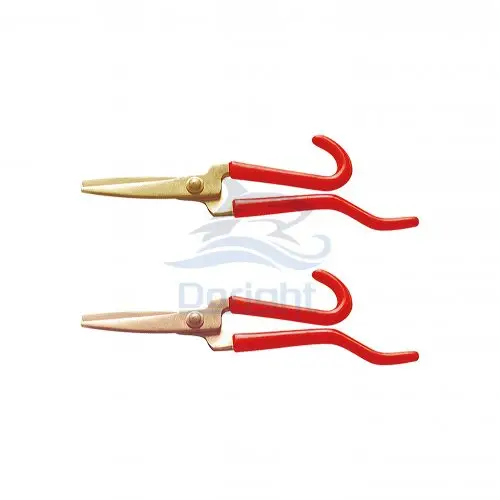
copper non-sparking tools are promoted as the safe choice in zones where spark ignition could cause serious harm. Yet the label alone does not ensure safety. I have seen toolboxes that contain “copper” items alongside unknown alloys. The technical problem often lies in alloy mix, surface treatment, and uncontrolled conductivity. These factors affect real-world performance in a hazardous area.
First flaw: specification vs. supply. Suppliers may ship non-ferrous tools that meet a nominal hardness, but they diverge in copper alloy composition. When conductivity varies, so does risk of stray current or heat build-up. Second flaw: maintenance and inspection. Tools acquire burrs, chips and protective coatings wear off; a supposedly safe tool can become a source of friction or micro-spark. Third flaw: human factors. Workers improvise. They borrow, they substitute. Look, it’s simpler than you think — a missing tag or a loaned tool is often the proximate cause.
So what does “fails” look like in practice?
In multiple audits I conducted, I found poor chain-of-custody, absent verification of alloy certificates, and little training on identifying wear that matters. Yes, seriously. The regulatory checklist can lull managers into a false sense of comfort. If you do not verify composition and inspect for surface damage, you have a compliance form — not an effective control. The technical takeaway: intrinsic safety depends on material science and on routine control procedures.
Part 3 — Looking Forward: New Principles and Practical Metrics
What’s next for tool safety? I favor new-technology principles that combine material traceability with simple field checks. For instance, barcoded lot tracking tied to certificates reduces uncertainty. Add quick field conductivity checks and you have an early warning system. These steps preserve intrinsic safety by addressing root causes rather than treating symptoms.
Practically, manufacturers and firms can adopt three evaluation metrics when choosing non-sparking tools: 1) documented alloy traceability (mill certificates); 2) measured surface conductivity and hardness at delivery; 3) an inspection interval tied to use hours and exposure type. These metrics are measurable and actionable. They move the conversation from labels to verified performance — and they reduce surprises.
Real-world Impact
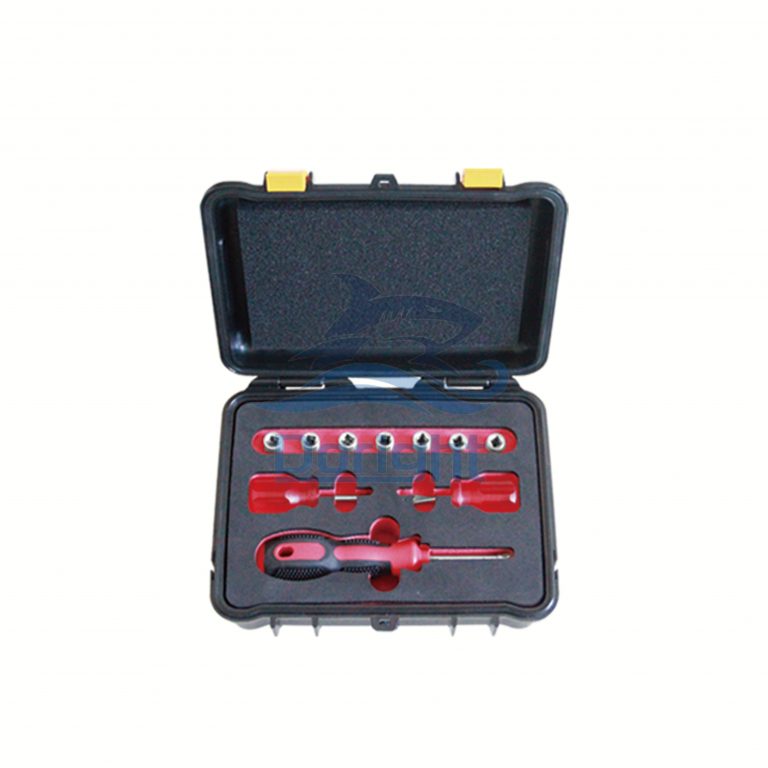
I once advised a midstream operator who replaced undocumented tools with traceable copper alloy sets and a three-month inspection loop. Within six months their near-miss reports dropped noticeably. — funny how that works, right? The investment was small relative to the risk reduction. The comparative point is clear: verified non-sparking tools perform better than unspecified alternatives. They cut ambiguity. They help protect people.
Closing — Practical Lessons and a Few Hard-Won Recommendations
To summarize: the label “non-sparking” is a start, not a finish. We must insist on documented copper alloy composition, consistent inspection for wear, and basic field testing for conductivity and hardness. I recommend three concrete evaluation metrics: traceability, measured performance at acceptance, and scheduled re-inspection. Use them. Test them. Hold suppliers to account. These steps reduce risk and align with legal duties in hazardous workplaces.
I write from experience; I have audited sites, argued compliance positions, and seen how small fixes can prevent big losses. If you want a practical partner for procurement or audit templates, consider testing documented tool sets first. For manufacturers and suppliers who take this seriously, the path forward is clear: transparency, testability, and routine care. For reliable sourcing, see Doright — Doright.