
Hidden Faults I See on Rooftops
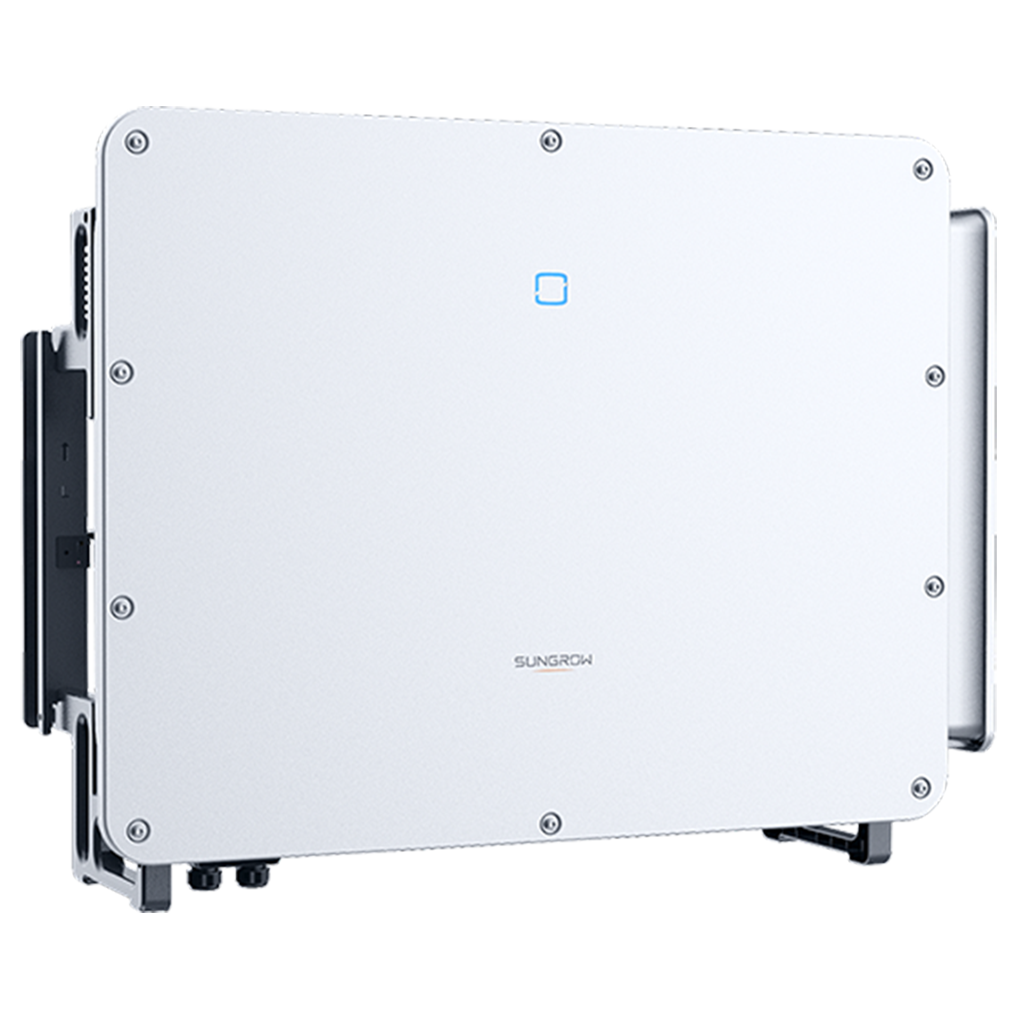
I remember climbing a warehouse roof in Phoenix one March morning and finding half the PV modules shaded by a new HVAC unit—output dropped by roughly 40% within 48 hours; what missed signal let that happen? C&I Solar crews see this all the time, and I say it plainly: many problems start small and hide in plain sight. I work with a commercial solar system design every month, and I can list the top silent failures: poor array layout, aged string inverter settings, and missing MPPT audits (yes, that little algorithm matters). In March 2022 I replaced a failed string inverter controller on a 250 kW rooftop job in Tucson—reduced downtime saved the owner about $3,200 in lost generation that month. No fluff. The traditional fixes—more panels, bigger inverters—ignore root causes like mismatch, poor site QA, and lack of monitoring, and that costs money and reputation (no kidding).
What’s the unseen cost?
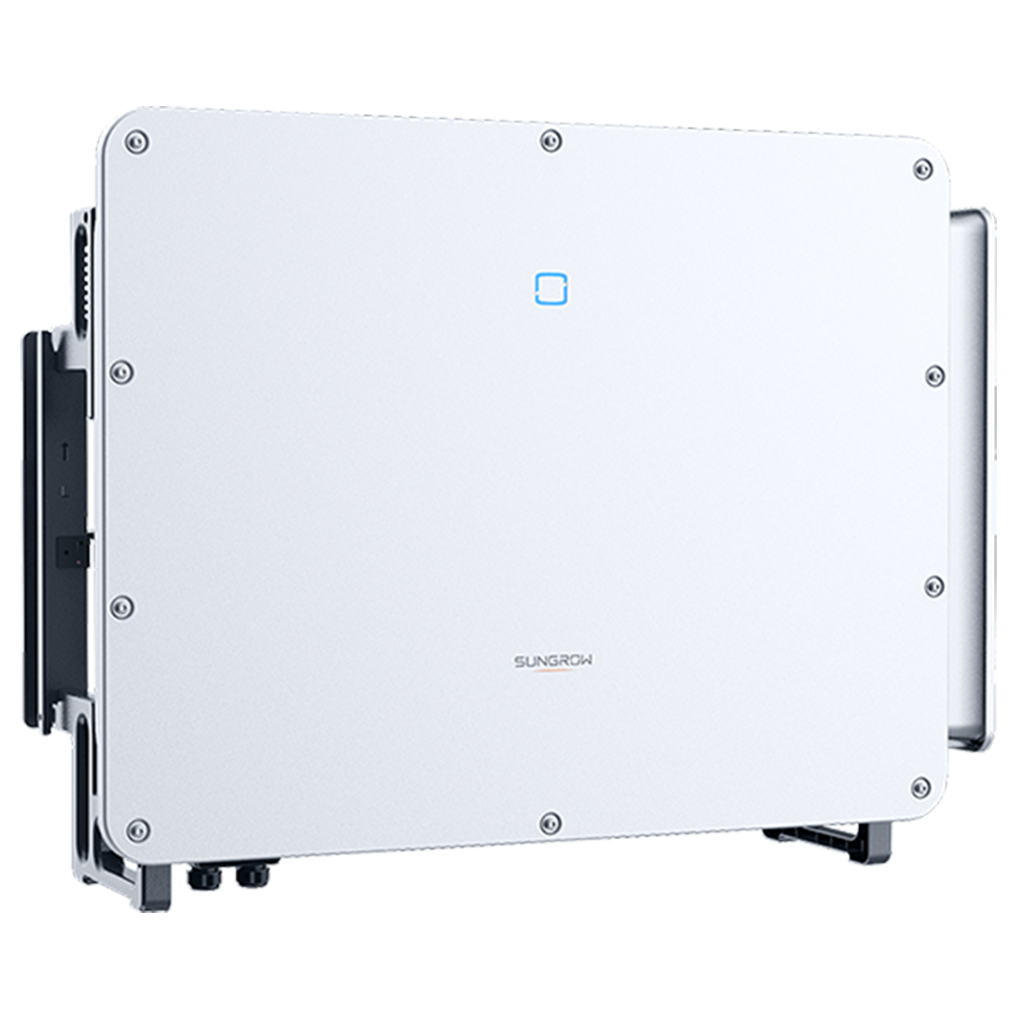
Hidden yield loss shows up as churn: customers call; panels look fine; energy storage is blamed. I regularly find wiring errors and loose combiners causing AC ripple and false tripping. That ripple drains revenue quietly; a 5% AC imbalance can shave kilowatt-hours and push systems into more frequent cycling. I’ve seen a single loose connector on a 150 kW system cause a 7% annual loss—one connector. I say this from hands-on work and late-night troubleshooting.
Comparing Fixes and Moving Forward
Now I shift from pointing out faults to choosing fixes—quickly and sensibly. I compare three approaches I use on projects: baseline QA with thermal scans, active inverter and MPPT reconfiguration, and adding targeted energy storage for smoothing and peak capture. Each has a cost and a clear payoff: thermal scans catch hot cells early; inverter tuning recovers immediate kW; a small battery (50–100 kWh) can shave demand charges within months. When I weigh options, I bring field data—string-level IV curves, inverter event logs, and on-site temp readings—so decisions aren’t guesses. For a 300 kW rooftop in Austin last fall, tuning MPPT settings alone recovered 6% annual yield; pairing that with a modest battery cut peak demand charges by $1,100 a month. That’s real math. (Stop. Think.)
What’s Next?
Look ahead and prioritize solutions that reduce pain now and scale later. I recommend staged upgrades: start with monitoring and QA, then optimize inverters and MPPT settings, then add energy storage where payback is clear. Compare vendors on real data—ask for past year log exports, string IV snips, and a site-specific ROI table. Hold vendors to that. I prefer systems where telemetry is standard, not optional; it’s the only way to catch creeping faults before they cost you clients.
Three Practical Metrics I Use — and You Should Too
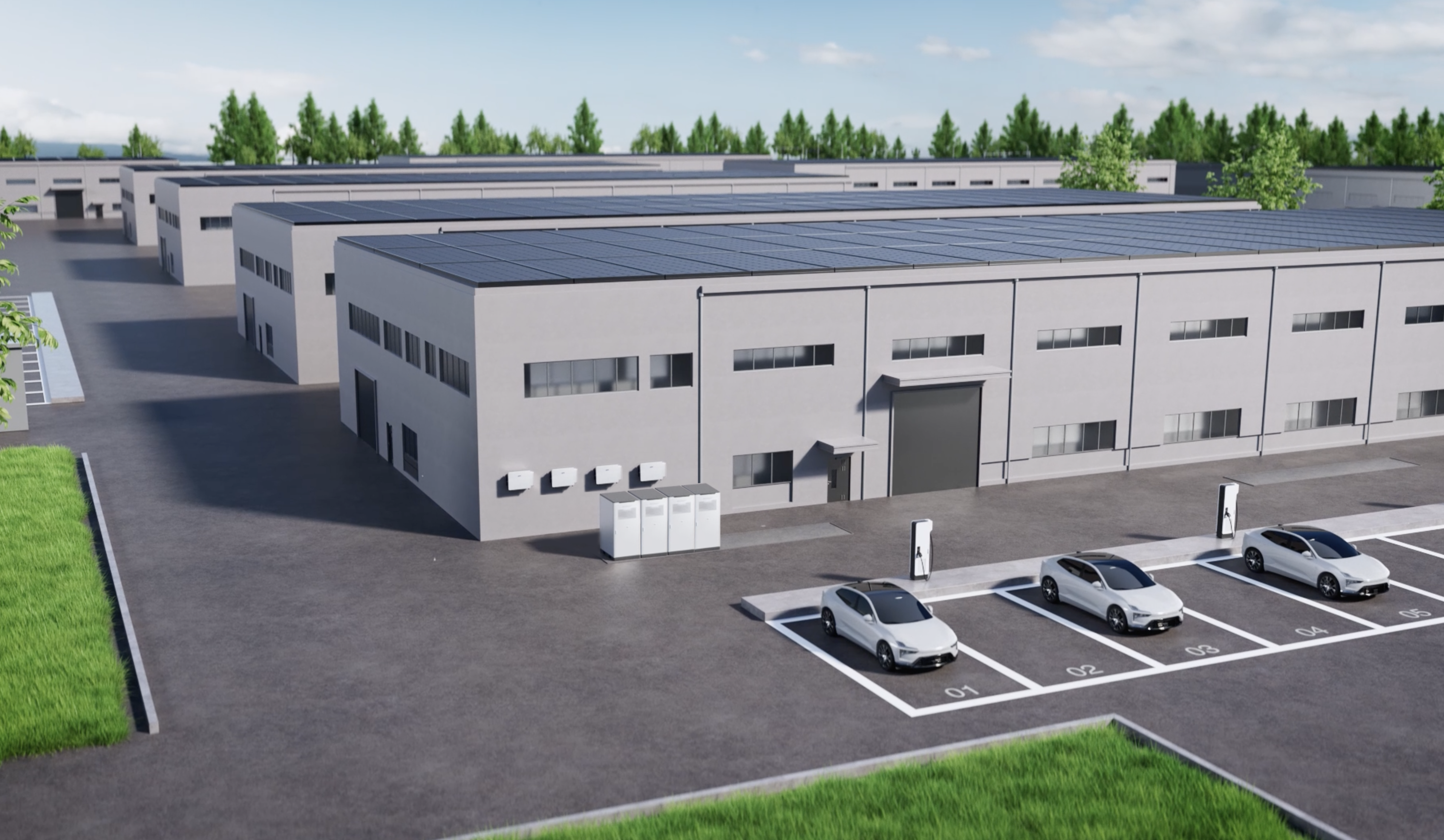
When I evaluate any commercial solar system proposal, I measure three things: 1) Accessible telemetry granularity (string- or module-level logs), 2) Measurable payback on mitigation (kWh recovered vs. upgrade cost), and 3) Vendor response time for field faults (I track tickets; under 24 hours is good). Those metrics tell me whether a solution will work in the real world or just look good on paper. I’ve applied these metrics across dozens of B2B installs since 2008, and they separate the useful offers from the flashy ones. Final note—don’t buy a promise; buy data. —I’ll keep fixing systems and sharing what works. sungrow