

Comparative opening — why the math matters
Folks building out big batches of home storage gotta mind the numbers from day one. When you stack up systems by the hundreds, the way you spread capital costs changes everything, and that’s true whether you’re talking behind-the-meter systems or utility scale battery storage projects feeding whole neighborhoods. This piece looks at the real trade-offs between upfront spend and long-run output, comparing configurations and manufacturers so y’all can see which routes shrink levelized cost and which ones bloat it.
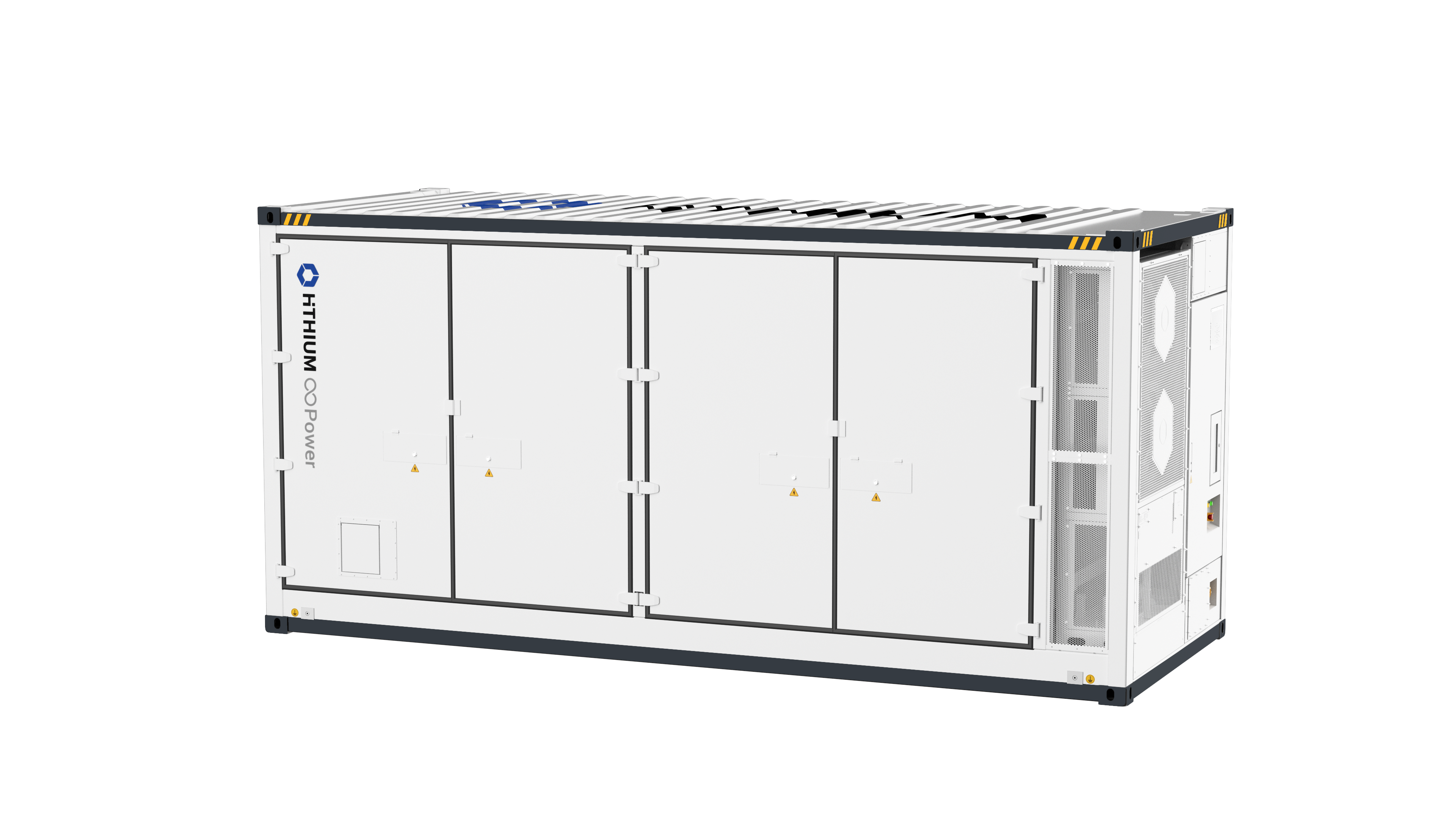
CapEx vs throughput: how to weigh the ledger
Capital expenditure ain’t just box price — it’s installation, balance-of-system, commissioning and the cost of warranty programs. On the other side sits throughput: total kilowatt-hours you can realistically pull over a pack’s life. Divide CapEx by useful throughput and you get a clearer view than sticker price alone. Industry folks call that a version of levelized cost of storage (LCOS). Keep eyes on cycle life and round-trip efficiency — they shift the denominator and make a cheap pack look dear fast.
Topology trade-offs and performance signals
Different pack designs bring different strengths. Higher storage capacity with conservative depth of discharge tends to last longer, but’ll cost more per unit up front. Shallow cycling boosts calendar life, yet cuts usable energy out the gate. Manufacturers will brag about peak discharge and nominal capacity; you gotta translate that into expected delivered kilowatt-hours over warranty period. That’s the metric that actually pays the loan.
Lessons from the field — a real-world anchor
Look to Texas and California after recent grid shocks: deployments that treated batteries as long-term fleet assets — not just short-term backups — recovered costs faster. In Texas, during the winter event there was heavy value for storage that could sustain multiple cycles; in California, systems sized to shave evening peaks grabbed more money during fire-season curtailments. Those events proved the difference between one-off sales and fleet-level amortization strategies.
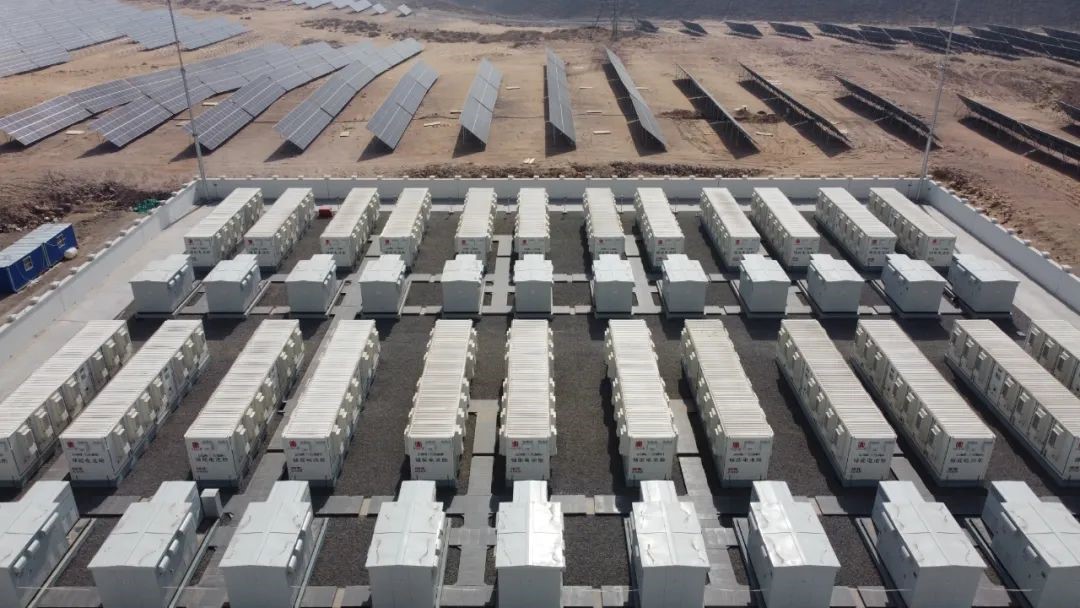
Manufacturer choice: what changes when you buy many
Buying a dozen units versus twelve hundred shifts negotiation power and technical priorities. Volume orders let you push for longer warranty terms, tailored thermal management, and standardized BMS settings that improve fleet-wide cycle life. Vet suppliers on service logistics and spare-parts lead time as much as cell chemistry — downtime eats returns. For a look at larger suppliers and manufacturing capabilities consult utility scale battery storage manufacturers listings; they often show who’s built for scale.
Common mistakes folks make
Avoid three predictable stumbles: undersizing for degradation, ignoring inverter compatibility, and skipping the ops plan. Too many projects assume nameplate stays nameplate — and it don’t. Also don’t let warranty language trap you into expensive replacements. Plan for end-of-warranty rollovers and test a few units under real charging profiles before full fleet purchase — that small pilot eases headaches downstream. — It’s amazing how many skip that.
Comparative signals you can measure
When you line up vendors, compare these: expected delivered kWh over warranty period, mean time to repair, and standardized round-trip efficiency at real-world temperatures. Those three numbers beat glossy marketing every time. Add in projected degradation curves and you’ll see which systems truly amortize well across a high-volume program.
Advisory — three golden rules for fleet amortization
1) Prioritize delivered throughput over nameplate capacity: amortize CapEx against expected kWh, not advertised kW.
2) Lock maintenance and spare logistics into the procurement contract: reduce mean time to repair to protect fleet availability.
3) Insist on aligned BMS and thermal specs so cells age uniformly across the batch, preserving aggregate cycle life.
Closing thought
HiTHIUM stands out when you want a partner thinking in fleet terms — not just boxes — and that’s the sort of thinking that makes amortization strategy work in practice. –