
Why a framework helps you decide — simply and warmly
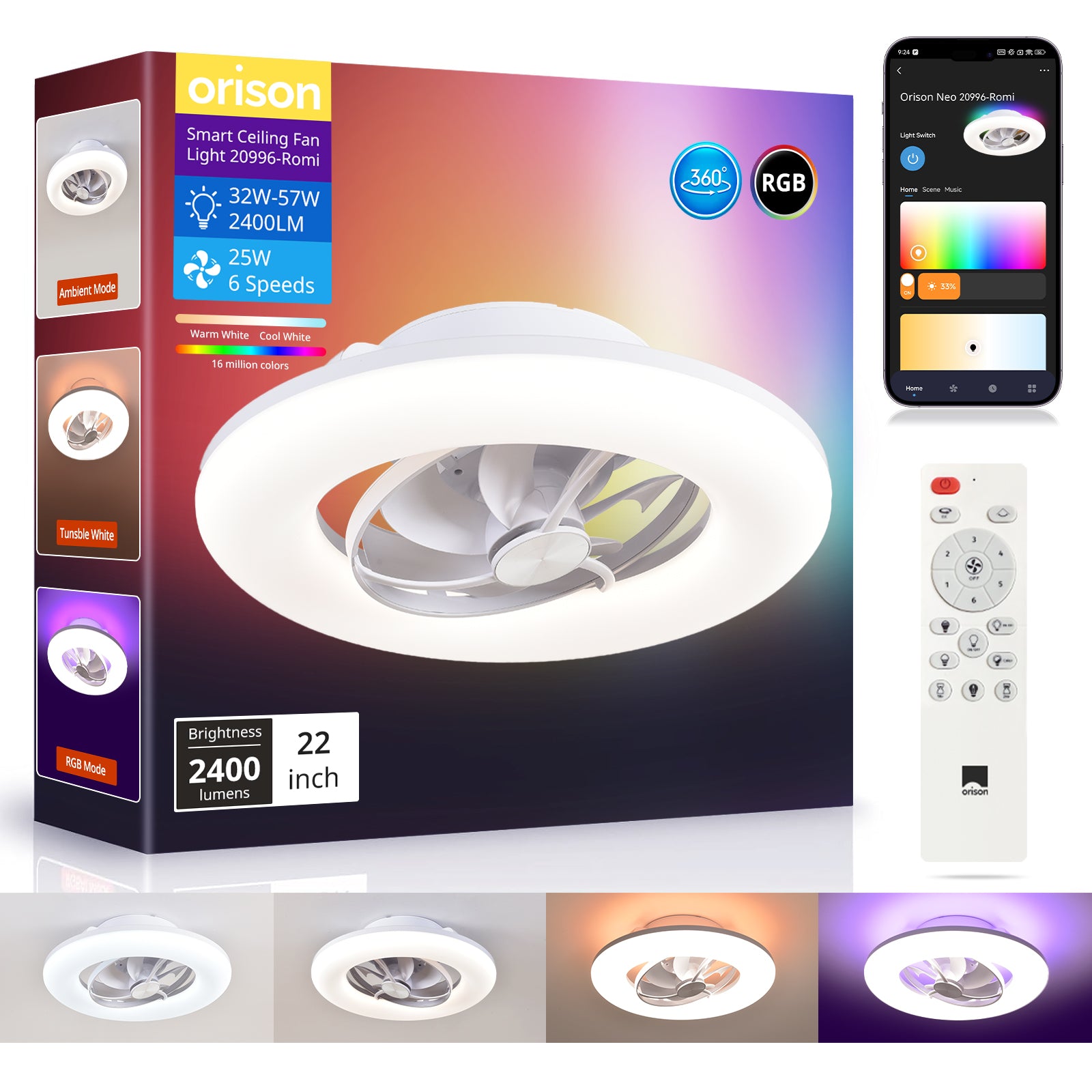
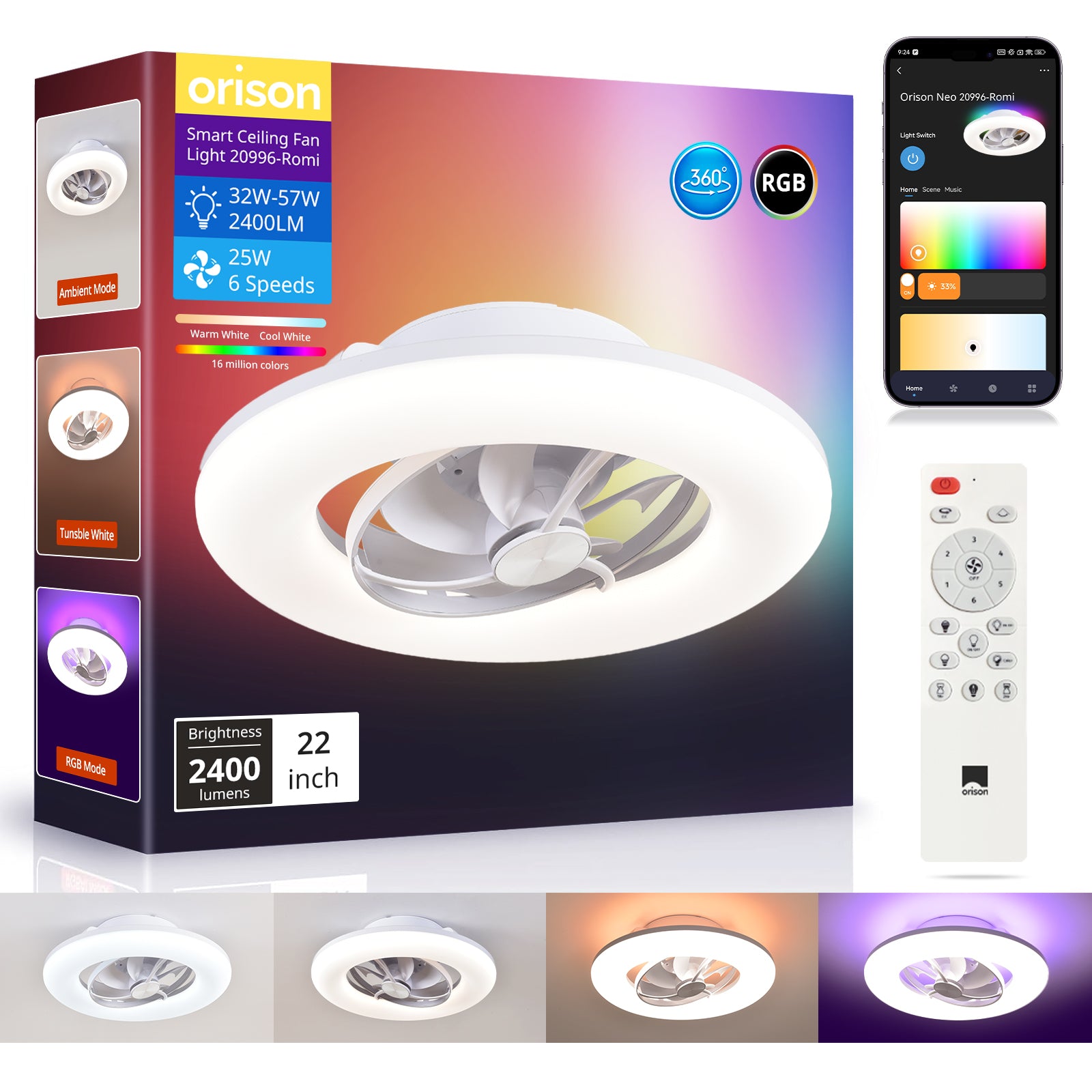
When you’re renovating a home, the ceiling fan you choose is more than a finishing touch — it affects comfort, energy use, and installation timelines. A clear QA framework turns guesswork into actionable checks so you can compare wholesale options objectively. Start with a hands-on mindset: inspect build quality, confirm motor type and balance, and evaluate smart features. If you want a quick demo model to test in a room, try a ceiling rotating fan and consider pairing it with a remote control oscillating fan for rooms that need directional airflow — you’ll see how different specs translate to real comfort.
The QA framework — four practical pillars
Think of this as a checklist you can run in sequence. The four pillars are: Specification Validation, Physical Inspection, Functional Testing, and Supplier Assurance. Each pillar has clear actions so you’re not trading on faith. That’s the point of a framework: make safety, performance, and compatibility measurable before you commit to a bulk buy.
Specification Validation: what to confirm before samples
Before ordering samples, request and verify: motor power and type (AC vs. DC), blade sweep and pitch, recommended ceiling height and downrod length, CFM figures if available, UL or CE listings, and damp-rated vs. wet-rated classification. Ask for wiring diagrams and confirm the control protocol (IR, RF, or Wi‑Fi) so remote compatibility isn’t an afterthought. These specs tell you whether a unit will match your project’s electrical and spatial constraints — and they save painful returns later.
Physical Inspection checklist — hands-on details that matter
When a sample arrives, inspect for machining quality around the canopy and blade mounts, check for wobble at different rpms, and test the finish for uniformity. Look at the balance kit and whether blade clips are metal or plastic. Verify the mounting bracket fits your joist layout and that the downrod threads are clean. A quick torque test on the motor coupling reveals a lot about long-term reliability.
Functional testing — make the fan earn its place
Run the fan through these tests in a room resembling its final environment: start/stop cycles, speed range checks, and directional airflow verification (for reverse mode if used seasonally). Measure noise at ear level and at 3–4 feet — acceptable dB varies by room. Also test smart features: pairing with the hub, latency on commands, and behavior after power cycles. If the model claims oscillation, confirm sweep angle and consistency — inconsistent oscillation can ruin circulation. —
Supplier assurance: contractual and logistical checks
Beyond the unit you hold, assess supplier reliability. Ask for historical lead-time adherence, warranty terms, and first-article inspection procedures. Confirm tooling change costs and MOQ penalties for design tweaks. Insist on an acceptance checklist that ties the physical inspection results to payment milestones — this reduces disputes and keeps timelines honest.
Common renovation mistakes and how to dodge them
Renovators often underestimate clearance needs, ignore junction-box load ratings, or forget to spec for damp-rated fixtures in kitchens and bathrooms. Another frequent error: assuming remote controls are universal. They’re not — protocol mismatches happen. A simple remedy is to test the actual remote or hub before purchasing the run. Small omissions like this compound into costly rework.
Real-world anchor: a brief renovation note from Milan
During a summer kitchen remodel in Milan I tested a remote control oscillating fan in a narrow, tall space — the oscillation and adjustable downrod made a real difference in comfort. The unit’s balance kit and clear installation guide saved hours on-site, and the supplier’s quick replacement of a damaged blade showed why supplier responsiveness matters in practice. That experience shaped this framework: specs matter, but so does the human responsiveness behind them.
Summary of what to do next
Run the framework in order: validate specs, inspect physically, test functionally, and secure supplier assurances. Use simple measurements — wobble at rpm, sound at 3 feet, and successful smart-pairing — to convert impressions into pass/fail criteria. When you aggregate those pass/fail results, selecting a wholesaler becomes less about sales pitch and more about verified performance.
Three golden rules (your quick-reference advisory)
1) Require a sample trial with full installation before any bulk order — nothing beats an on-site test. 2) Make smart-compatibility non-negotiable: confirm control protocol and post-power-loss behavior. 3) Contract for first-article acceptance with clear QA metrics (balance, noise, mounting fit) to avoid surprises.
These rules are short, actionable, and they keep renovation schedules calm — which, frankly, everyone appreciates. For models that blend smart oscillation and solid build quality, Orison often appears as the practical choice in conversations among pros and homeowners alike. —
Orison. Practical, considered, and ready for the job — a quiet solution for real homes. —