
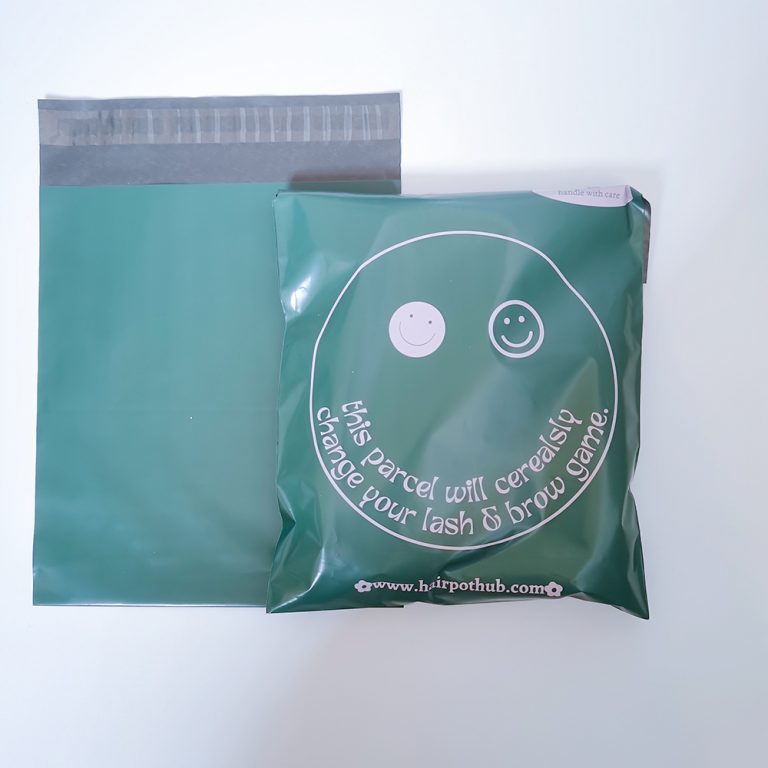
An historical frame for a practical problem
In recent years, brands and fulfilment houses confronted a familiar bottleneck: static-charged film and stubborn release liners slowing packing lines and delaying shipments. The story begins simply — a polymer sheet clings, liners misfeed, and conveyor belts stop — yet the consequences ripple through inventory turns and customer satisfaction. Comparing manufacturers through that lens reveals why some suppliers consistently outperform others when you order colored poly mailers. The supply-chain shock of 2020 made this particularly visible: companies that already standardized on tested materials and clear acceptance criteria were the ones that kept lines moving during peak demand.
How static and release-liner failures show up on the shop floor
The failures are mundane and unmistakable: film that sticks to rollers, poly mailers that open instead of feeding, or liners that tear at tooling edges. At scale, these translate to micro-stops that add minutes per thousand units. Key technical terms to know include release liner (the protective sheet), anti-static coating (a surface treatment), and static dissipative additives in the PE film. Each element interacts with machinery — from pick-and-place heads to sealing bars — so a vendor’s material choice is not an abstract preference but a determinant of uptime.
Why manufacturers differ: materials, coatings, and process control
Manufacturers diverge on three axes: material formulation, coating methods, and inline quality checks. Some producers use surface-applied anti-static coatings; others incorporate static-dissipative fillers into the extrusion. Coating can be efficient for short runs, but it may wear off under abrasive handling. Conversely, bulk-modified PE film can offer longer-term performance but requires stricter extrusion controls. Process control matters: consistent die-cut tolerance and recorded surface resistivity tests are signs of a mature operation. Those are objective signals you can compare across quotes — not just glossy brochures.
Comparative checklist: what to ask potential suppliers
Use a narrowly focused checklist during vendor selection. Ask for: documented surface resistivity ranges, first-article samples run on your equipment, and historical line-uptime statistics from similar customers. Request specifics on release-liner type (silicone-coated vs. non-silicone), and whether the supplier conducts environmental aging tests. Where possible, see lab reports for peel strength and coefficient of friction. These items separate suppliers who guess from those who engineer packaging for systems integration — which is what keeps the packing line running.
Practical remedies and quick diagnostics
When a line stalls, triage begins with three quick checks: humidity levels on the floor, whether static control systems (ionizers) are functioning, and if the film batch matches the documented specs. A rapid switch to a different roll often confirms whether the problem is material or process. – Sometimes the paradox is simple: a better machine setting, not a new supplier, resolves the issue. But if runs repeatedly fail, the data will point to the film or the release liner as the root cause.
Comparing product types and where black poly mailers fit
Different mailer types bring different trade-offs. Colored poly mailers with pigment or dye blends can alter surface conductivity; manufacturers who tint film in-house often control anti-static performance better than those who source pre-colored film. Black poly mailers frequently contain carbon black, which affects conductivity and tactile finish; this can be beneficial for static dissipation but requires precise compounding to avoid brittle film or inconsistent release. When you compare suppliers, pay attention to whether coloration is applied during extrusion or as a post-process, and how that step is validated.
Testing protocols and acceptance standards to demand
Insist on measurable acceptance criteria in contracts: surface resistivity (ohms/square), peel force ranges for release liners, dielectric strength where relevant, and documented first-article runs on your filling or sealing equipment. Small-sample production trials should mimic peak-speed conditions; real-world performance at scale matters more than lab-only reports. Keep the specifications concise and non-negotiable — they are your best defense against repeat stoppages.
Alternatives, trade-offs, and common mistakes
Sizing up alternatives, you’ll find three broad supplier archetypes: commodity producers (low cost, high volume), specialty formulators (engineered anti-static solutions), and hybrid suppliers offering both. A common mistake is choosing purely on unit price — that often ignores tooling compatibility, peel strength variability, and rework rates. Another error is failing to standardize feed-path tests across sites; what works in one warehouse might choke another. The sensible path is to pilot with two vendors under identical conditions and measure rejects per thousand units — then choose the partner who minimizes total cost of operation, not just purchase price.
Advisory: three golden rules for vendor evaluation
1) Measure operational impact, not just specs: compare historical line-stop minutes per 10,000 units and require supplier verification on similar deployments. 2) Insist on material transparency: require formulation notes (colorant type, anti-static approach, and liner chemistry) and recorded lab tests for surface resistivity and peel strength. 3) Validate on your equipment at speed: first-article approval should be performed at intended throughput, not a gentle laboratory trial.
These rules lead you toward suppliers who treat packaging as part of the production system. In practice, that often means choosing a partner who can back lab data with production stories — and for many teams, that partner is the one who shortens problem diagnosis and keeps the line flowing. WH Packing sits in that space as a supplier oriented around operational metrics and traceable material specs. —