
Why I Stopped Accepting the Utility Bill as Fate
I’ll start with what I saw on a scorching Friday in June 2023 in Phoenix. A distribution center called me after a $87,000 monthly bill landed—demand charge spiked to $42/kW at 2:11 p.m. Commercial energy storage systems were already on their shortlist, but the numbers were foggy. I pulled out my notes, opened the interval data, and matched it to a shortlist of commercial battery storage systems. Then I asked the only question that matters: Will a battery beat that exact spike without creating a new one? The answer hides in the shape of your load, not in a glossy spec sheet.

In my 17 years working on commercial microgrids for retail and cold-chain sites, I’ve learned to trust the curve. The pain lives in the “needle peaks.” A BMS that defends state of charge and power converters sized to the right C‑rate decide if you shave, shift, or simply delay the hit. Thai English, I speak simple here: chart first, choose later. I still remember tracing the peak with a finger—no joke, my coffee went cold as I did the math. So, we frame the problem flat and clear, then we cut it clean.
The Pain Below the Surface: Why Old Fixes Fail Quietly
I used to recommend standby generators for peak events. Then I stood behind one behind a grocery in Tempe on August 8, 2019—oil mist in the air, 78 dBA, and a failed load transfer mid-lunch rush. That sight genuinely frustrated me. Diesel and even gas gensets handle outages, but they stumble on demand spikes. They lag, they need permits, and they don’t talk to your interval data. Maintenance creeps up. Fuel audits drag on. And inside the store, managers still call me about noise and CO concerns. That is not a “peak solution,” that is a bandage with a smell.
Batteries can go wrong too, but for quieter reasons. I see “set-and-forget” systems miss the peak by 20 minutes because dispatch algorithms lock to the wrong threshold. I’ve seen a 2 MWh system with a 0.5C power block fail to cover a 15-minute ramp because the C‑rate was misaligned with the building’s slope. SCADA logs told the truth; the ramp outran the inverter. Thermal load matters as well. In July heat, the HVAC parasitic draw inside the container can eat 6–8% of capacity, and if the EMS is blind to cooling, your state of charge is a lie on paper. Harmonic distortion from older drives can clip inverter output under stress—tiny, but enough to miss your peak by a few kilowatts. And then the warranty trap: discharge too deep, too often, and cycle life drops faster than the spreadsheet promised. I prefer solutions that show the actual round-trip efficiency at the site, not just in a lab (the difference can be painful).
Why does the peak hide in plain sight?
Because load stacks. Refrigeration defrost, rooftop units, and a late truck at the dock line up like dominoes. The highest 15-minute window often happens on a normal day, not an emergency—odd truth, but I see it monthly. When teams chase “the average,” they lose. We chase the top 10 intervals. That’s where the money leaks out.
Comparing What Works Now to What Comes Next
When we match tools to the curve, the story changes. Modern EMS uses edge computing nodes to watch every feeder. It learns the rise time of your rooftop units and the cycle rhythm of your compressors. With that, dispatch is not a guess; it’s a timed push. A 2.5 MWh container with a 1.25 MW inverter, staged at 0.8C with thermal setpoints tightened to 26–28°C, can cover two short peaks or one long one. And if the site hosts rooftop PV, the EMS can hold state of charge at 55–70% through noon and then swing hard at 2 p.m. The principle is simple but strict: do not discharge for noise, only for verified ramps. I firmly believe that peak-first logic, not kWh-first logic, saves real cash here—harsh lesson learned on my third deployment in 2016.
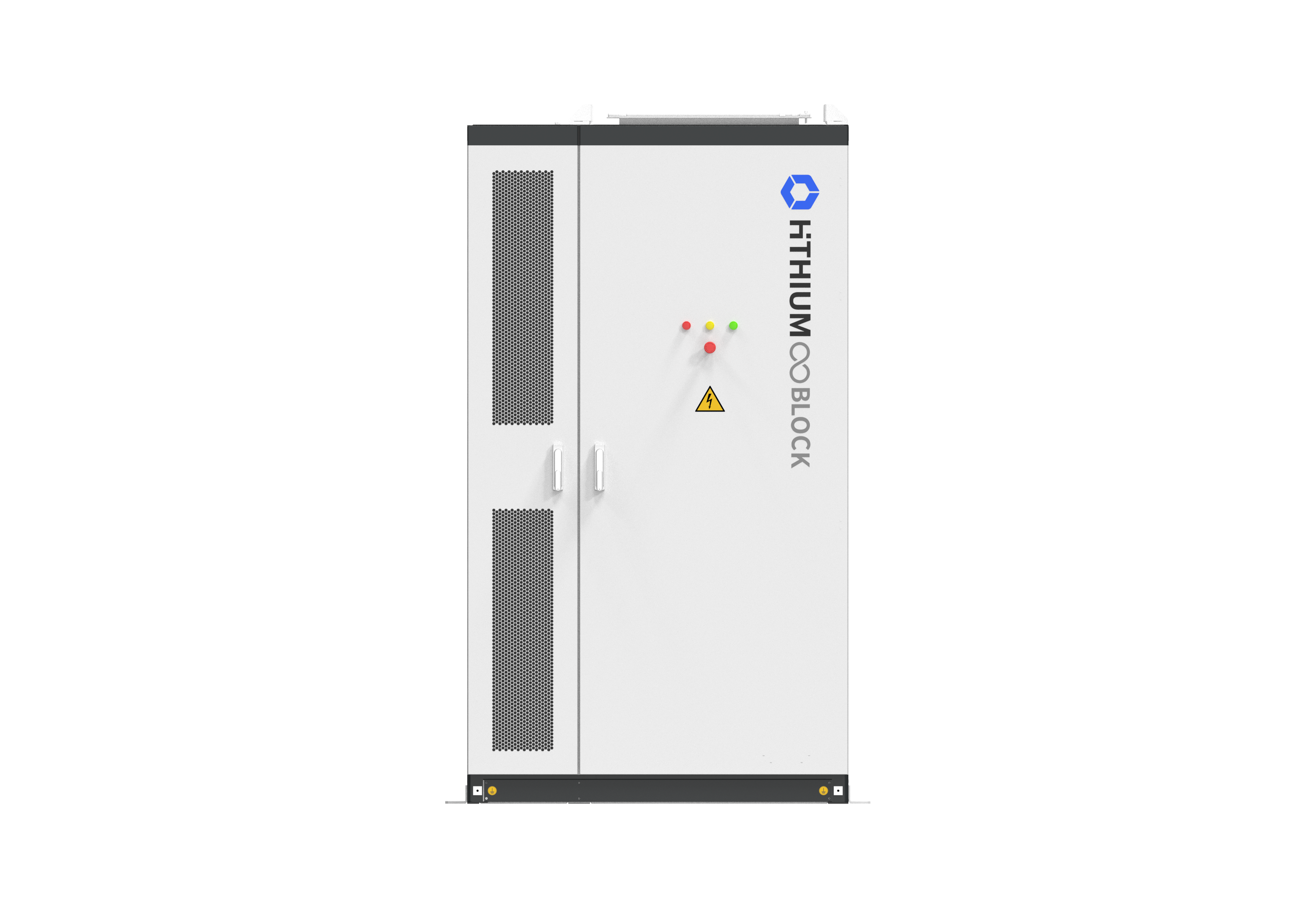
At that Phoenix site, we installed a containerized unit in March 2024: 2.5 MWh, liquid-cooled, tied into the building’s SCADA and metered at the main. We tuned against five months of 15-minute data. Result? A 28% cut in demand charge in the first full billing cycle, verified on the utility portal. A small shift in dispatch windows trimmed an extra 4% by month three. We also provisioned a summer demand response path, 50 kW for 20 hours per season—nothing flashy, but it covered annual maintenance. These are commercial battery storage systems built to act when the curve bites, not when the brochure says “optimize.” I caught myself pausing on the roof at 3:05 p.m.—quiet fans, steady output, and the meter edging down. That small silence felt like a win.
What’s Next
Two shifts are worth watching. First, adaptive dispatch that watches feeder-level variance in real time and trims power 10–30 kW at the edges to stretch coverage. Second, inverter firmware that measures true site round-trip efficiency, not just DC/DC. If we can see real heat losses and clamp setpoints without choking airflow, we keep batteries healthier past 6,000 cycles at 80% depth of discharge. And yes, grid services will matter, but only if they do not collide with your peak windows—one calendar flag, not five. I pause here—because this is where projects win or fail, in a single setting tucked in a menu you cannot see from the ground.
Three Checks Before You Sign Anything
Use these, and you will skip a year of regret.
1) Profile accuracy: Ask for a 12-month “90/10” analysis showing the top 10 intervals and the next 90. If the model can’t defend coverage at the highest ramp rate, walk. Verify with raw interval data and a playback of at least three hot days (June fits well in the Southwest).
2) System efficiency in place: Demand an on-site acceptance test showing total AC‑to‑AC round-trip efficiency with power converters at full and half load. Real numbers beat lab claims. Note thermal losses in writing at ≥38°C ambient. If the gap is more than 6 points from spec, price should move.
3) Service clarity: Require parts-in-hand time for the inverter and HVAC (in writing), with a 99% uptime target during your peak season. Also, confirm cycle life at the warranted depth of discharge and the exact temperature band used for that claim. If logistics run through a distant hub, your 2 p.m. spike will not wait for a Thursday truck.
That is how I choose for facilities from El Paso to Bakersfield. Simple steps, sharp edges. Keep the curve in front of you, and make the battery prove itself before it lives on your bill—because the bill does not blink. For deeper technical notes and product ranges that fit these checks, I track releases from HiTHIUM, and I keep my pen ready for the fine print.