
Introduction
I burned my first prototype and learned a lesson fast. The smell lingered all morning in my small studio. A 3D printer fume extractor was supposed to help—yet I still woke up with a headache (not fun).
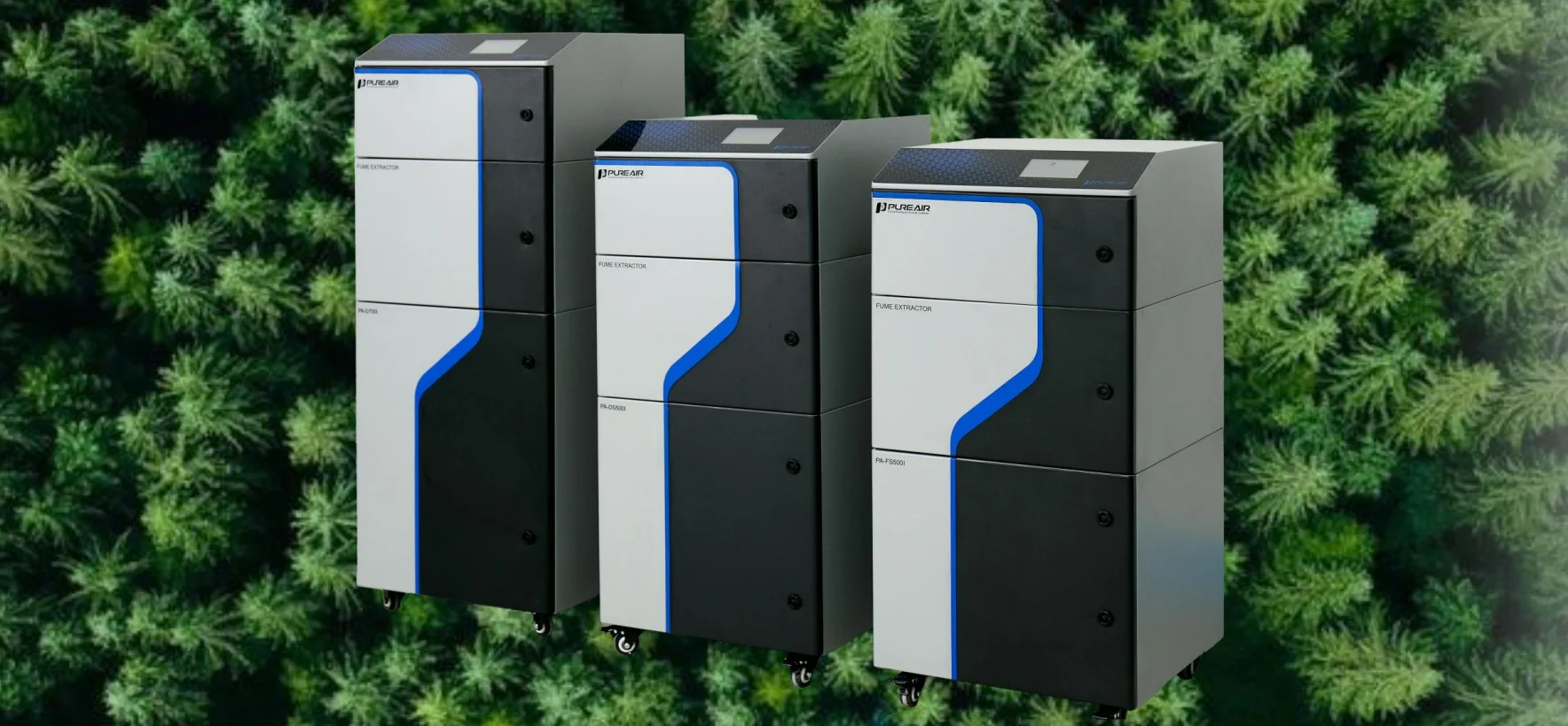
Many makers report higher VOCs and visible particulate matter after long prints. I’ve seen numbers and heard stories. How do we stop trading short-term convenience for long-term air problems? Let’s dig in, step by step, and keep this practical.
Where the Usual Fixes Let You Down
What’s actually going wrong?
I want to be blunt: most quick fixes miss the point. When people talk about capturing 3D printer fume, they often mean a cheap fan or a small HEPA box. Those help a bit. But they rarely address the real drivers—filament chemistry, print temperature, and airflow patterns. In my experience, a single HEPA filter without proper airflow design just moves the risk around. You get less visible dust, sure, but VOCs still linger because activated carbon capacity was never enough.
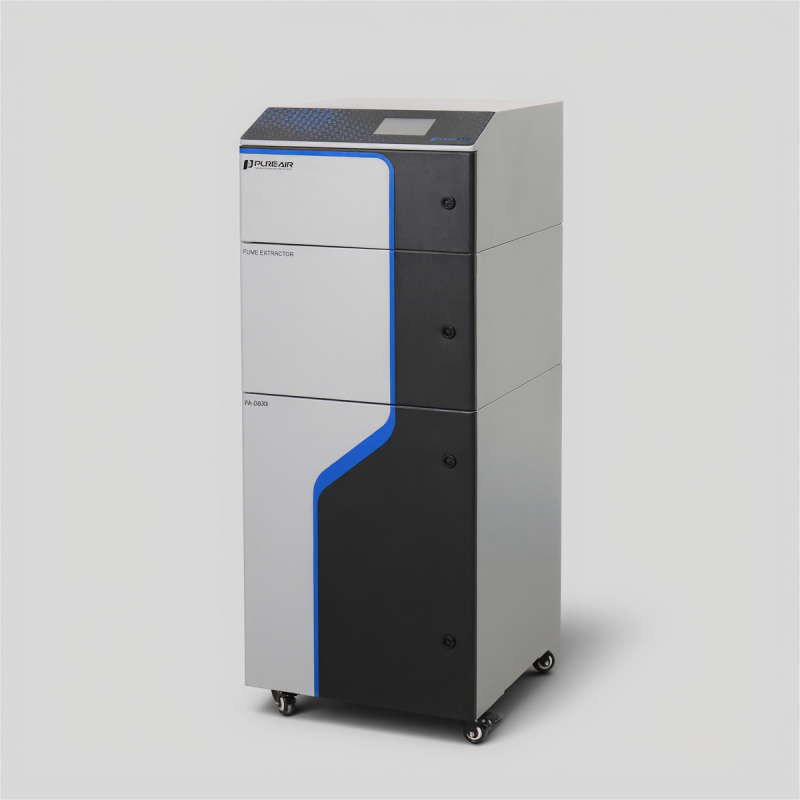
Technically speaking, you need to manage both particulate matter and gases. That means combining filtration media (HEPA for particulates, activated carbon for VOCs) with correctly sized fans and measured airflow rate. I’ve tested setups where the fan was either too weak or too strong—both problems. Too weak and contaminants stay. Too strong and you ruin print quality by creating turbulent drafts. Look, it’s simpler than you think: match the filter type to the pollutant and size the fan for the enclosure volume. We’re not inventing new physics here—just respecting it. — funny how that works, right?
Moving Forward: Better Principles and Practical Choices
What’s Next?
Okay, here’s where I get optimistic. New designs focus on measured outcomes rather than flashy specs. When I compare systems, I look for clear data: CAD-tested airflow paths, verified removal rates for VOCs, and real particle counts before and after. For anyone choosing a system for handling 3D printer fume, I suggest asking for lab data or independent tests. Don’t rely on marketing claims alone. In practice, systems that pair activated carbon beds with true HEPA and controllable fans perform best for mixed pollutants.
Practically speaking, evaluate three things: capture efficiency at the source, verified VOC removal, and how the system affects print stability. I use those metrics when advising workshops. Why three? Because they cover safety, health, and craft quality. If a device nails those, it’s worth considering. If not—move on. We’re responsible for our air and our prints. — and yes, I’ve had to replace my fair share of gear to learn this.
How I Choose Systems (Three Quick Metrics)
I’ll leave you with a small checklist I actually use. First, measure capture: can the hood or enclosure pull air directly from the nozzle area? Second, verify filtration: is there a HEPA stage plus sufficient activated carbon for VOCs? Third, check compatibility: does the fan and power converter deliver steady airflow without messing with your extrusion or nozzle temperature? I care about these because they balance safety and craft—period.
If you want a starting point, ask for particle-count reports and VOC removal curves. Demand clarity about filter replacement intervals and whether the unit uses modular media. I prefer systems designed for serviceability; otherwise you end up buying a new unit every year. In short: be practical, ask for data, and prioritize systems that treat both particles and gases. For tools that actually make a difference, check what companies like PURE-AIR publish and ask tough questions. I do—every time.