fintechstuffs
  • Home
  • Beauty
  • Business
  • Featured
  • Global Trade
  • Industry
  • Market
  • Tech
Global Trade

The Hidden Toll of Inefficient Motors: How Small Losses Sink Marine Performance

by Gwen November 13, 2025
written by Gwen

Introduction

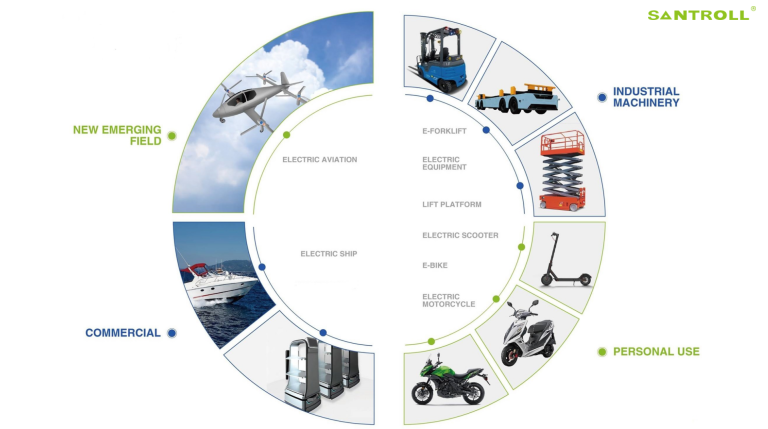
Have you ever wondered why a short trip on the water suddenly feels like a long, costly chore? I’ve watched operators wince at rising bills and unexplained downtime. An electric motor—central to modern marine propulsion—often hides losses that stack up into real expense. Recent field data show that small inefficiencies, even 3–5% of input power, can translate to hundreds of extra operating hours or thousands in fuel and maintenance spend annually (and yes, those margins matter on a tight schedule). So what really causes those losses, and what should owners care about now?

electric motor

I’ll walk through the practical scenarios I’ve seen, then point to where fixes often miss the mark — and why that leads to repeat pain. Next, we’ll dig deeper into specific failure points and practical ways to evaluate potential upgrades.
electric motor

Why Common Fixes Fail for boat motors

Too often, teams chase the obvious fixes: replace bearings, add a bigger battery, swap propellers. Those moves can help, but they rarely address core losses inside the motor—iron losses in the stator laminations, winding resistive heating, and misaligned rotor dynamics. I’ve seen a workboat switched to a higher-capacity inverter and the crew still complain about range. Look, it’s simpler than you think: you can add power converters and better cooling, but if the rotor-stator gap, torque ripple, or poorly tuned ESC (electronic speed controller) remain, the gains vanish. We must examine power density, thermal limits, and control-loop stability, not just nameplate ratings.

What’s the technical weak link?

From a technical standpoint, the usual suspects are: poor torque control due to inadequate sensor feedback, heat concentration from uneven windings, and suboptimal magnetic circuit design. I’ve debugged systems where vibration sensors pointed directly to an unbalanced rotor (that’s the rotor), and once corrected, efficiency jumped noticeably — almost instantly. These issues show up as reduced service life, higher current draw at low speeds, and unpredictable thermal cycling. If you focus only on surface symptoms, you’ll repeat the same fixes and keep paying for them — frustrating, costly, and unnecessary.

New Technology Principles and What to Watch Next

Looking ahead, I think the real wins come from combining improved materials with smarter control. For example, advances in permanent magnet materials and optimized lamination stacks reduce core loss. Paired with model-predictive control or field-oriented control algorithms, a modern brushless electric motor can operate closer to its optimal torque-speed curve across use cases. That means longer range, fewer overheating events, and less maintenance. I’m excited by the potential — and cautious too, because integration matters more than specs on paper.

Real-world impact — what to expect

In practice, upgrading to these principles often yields measurable benefits: lower amp draw at cruising speed, flatter efficiency curves across RPM, and fewer service calls. You’ll want to look at thermal maps, torque ripple measurements, and end-to-end system efficiency (motor + inverter + prop). Also — and this matters — pilot projects reveal installation practices (shaft alignment, cable routing, cooling ducts) make or break outcomes. Small mistakes in setup can erase theoretical improvements, so plan for commissioning and real-condition tests.

To choose the right solution, here are three practical metrics I recommend using when evaluating options: 1) Continuous efficiency at expected cruise load (not just peak efficiency), 2) Thermal rise under real duty cycles (hours at race, cruise, idle), and 3) System-level power conversion losses (inverter + cabling + connectors). Use those, and you’ll avoid sellers’ shiny spec traps. I’ve guided several teams through this evaluation — the difference is night and day. For reliable products and system guidance, consider reaching out to specialists such as Santroll.
November 13, 2025 0 comments
0 FacebookTwitterPinterestEmail
Global Trade

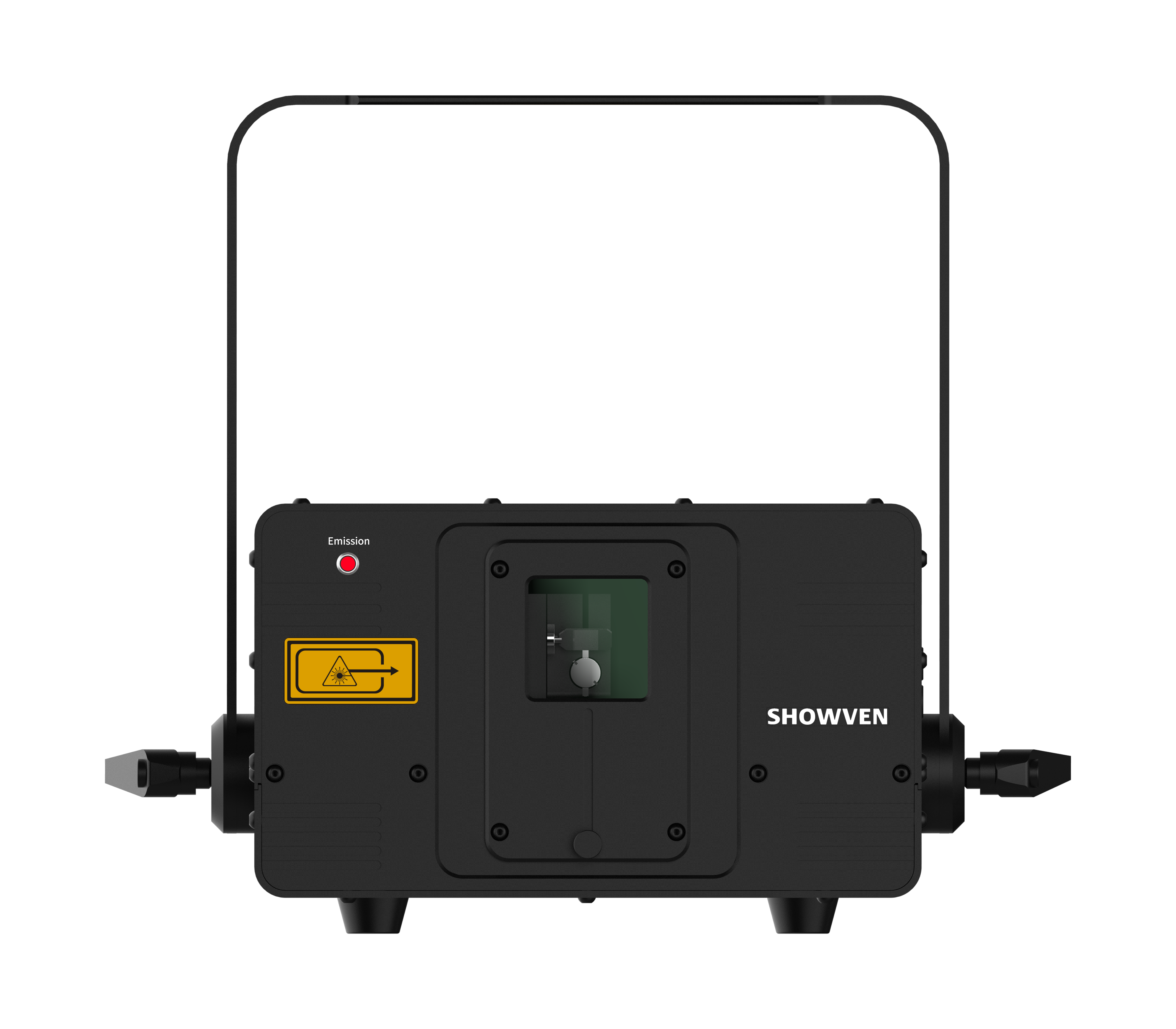
What’s the Trade-Off of Brighter Beams in Stage Laser Lights?

by Liam November 12, 2025
written by Liam

Setting the Scene and the Science

Define the task first: convert energy into light that reads at 40 meters without blinding the front row. Stage Laser Lights handle that task every night in arenas and open fields. Picture a headline act, haze hanging low, and a white beam scanning above a sea of phones. Now add a detail from physics: a 3 dB bump doubles optical power, and even a small cut in beam divergence can push hazard distance far out. So the show looks bigger, but the safety envelope shrinks. Venue logs often tell the same story—more output, more heat, more drift. Are we trading crisp aerials for control we cannot keep?

Stage Laser Lights

This is a technical balance with human stakes. Power converters, scanning limits, and airflow decide if the output you spec is the output you can use. The question is simple: how do you keep the wow without adding risk or downtime? Let’s move from hype to the parts that break and why—then to what fixes them.

Hidden Costs Behind Dazzling Beams

What slips when the room gets hot?

Many crews still push brightness first, then “tune the rest.” With stage lasers, that old order flips under stress. Look, it’s simpler than you think: heat and speed always meet in the scanner block. Galvanometer scanners drift when thermal loads rise; circles oval, fans wobble. Beam divergence changes minute by minute, so aerial looks fade even as meters say “full.” Push DMX frame rate too hard and you get aliasing, so bright frames flicker at the edges—audiences see it, even if spec sheets don’t. The result is glare without clarity.

Power path is another quiet culprit. Poor power converters can ripple the drive current and lift noise into the beam, like a hum you can see. That ripple compounds when multiple heads share one phase on a rushed rig. And safety? Operators end up riding manual limits because the auto cutbacks feel jumpy. A small delay in scan-fail response during a fast tilt can open a blink window. It’s short, but real. Add long cable runs, hot truss, and sudden haze spikes, and your margins vanish right when the chorus hits.

Stage Laser Lights

New Principles: Safer Brightness Without Compromise

What’s Next

We can do better by changing the control loop, not just the lamp. Think of fixtures as small edge computing nodes. They watch beam path, scanner health, and airflow in real time, then cap output before drift starts—not after. This is a different rhythm: predictive, not reactive. Advanced scan-guard logic checks the vector stream, not only the mirror return, so it can slow frames or widen the beam profile during risky moves. Thermal management gets smarter too; fans track heat flux at the scanner, not just case temperature. It sounds small, but it keeps geometry stable—funny how that works, right?

Outdoors, the model must account for dust and rain. Modern optics with IP-rated seals, plus adaptive apertures, help outdoor stage lights hold focus without spiking hazard distance in dry wind. When paired with cleaner power converters and current smoothing, you get high punch with lower glare. The comparison is clear: old rigs chase errors after they appear; new rigs prevent them with smarter sensing and beam shaping. Brightness stays, but risk and fatigue drop. That is the future-facing trade: more logic at the source, fewer manual overrides at FOH.

How to Choose Wisely: Three Metrics That Matter

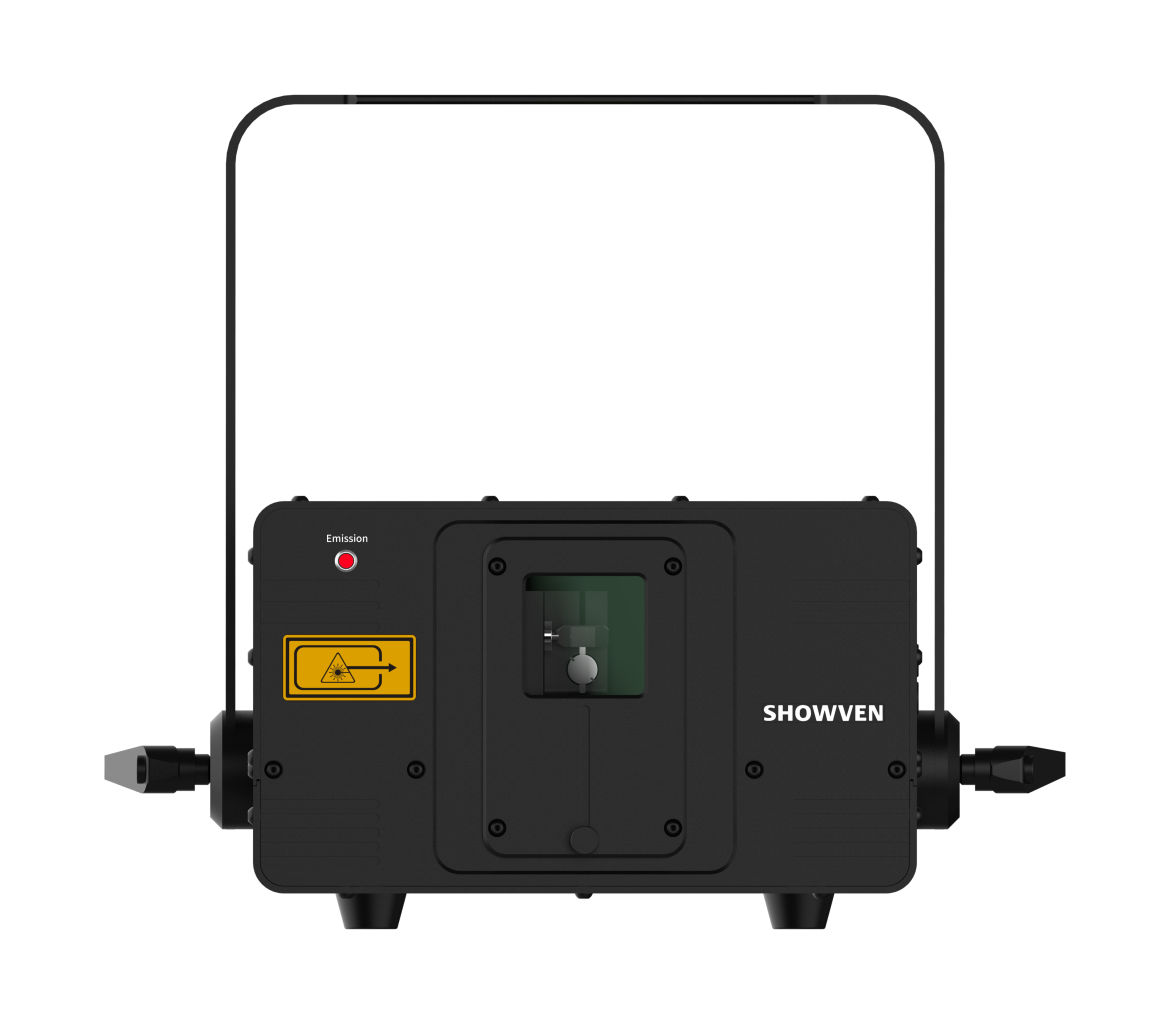
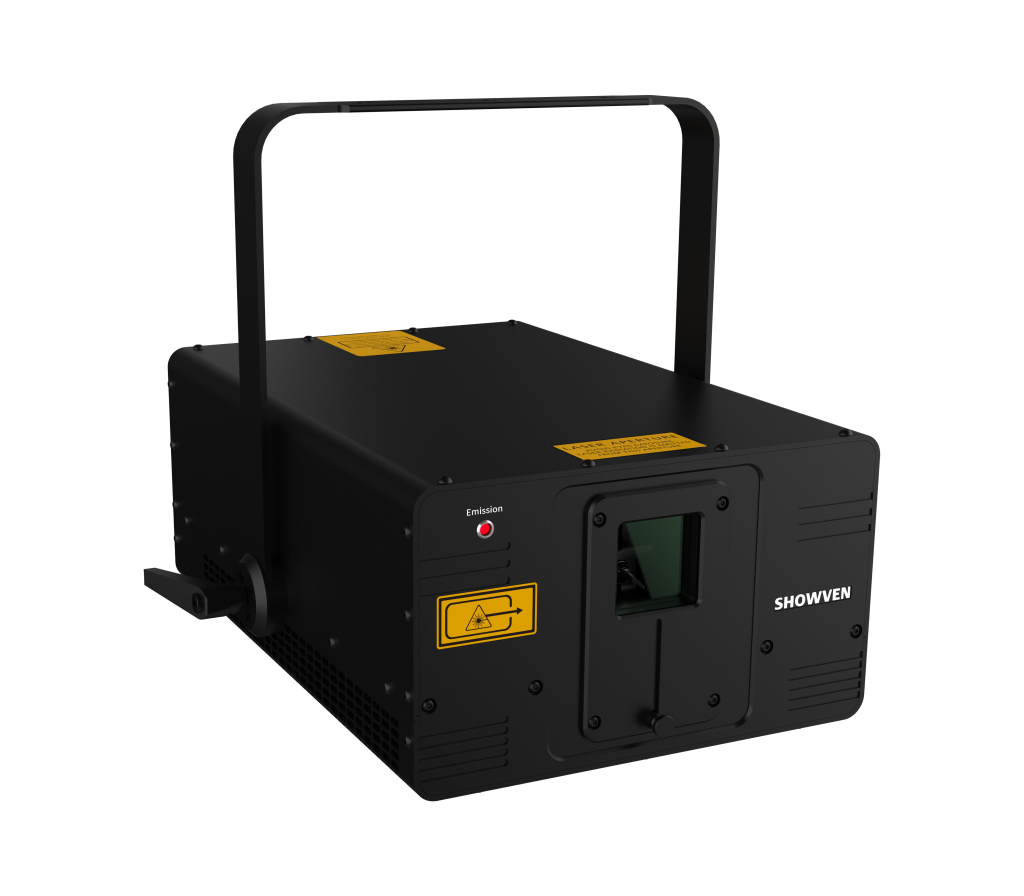
To evaluate options, measure outcomes, not slogans. First, scan integrity under heat: ask for logged geometry error at sustained duty (include the galvanometer scanner RMS drift and recovery time). Second, beam management under motion: require proof of dynamic divergence control and scan-fail latency in milliseconds, tied to actual frame vectors. Third, power and noise hygiene: request ripple specs for the power converters under load, plus EMI data that matches your venue profile. If two fixtures look the same at 10 meters, pick the one that keeps shape and safety at the 90th percentile of show stress—during haze spikes, long cues, and cross-rig sync. That way you protect the audience, the crew, and the moment. For deeper technical notes and product detail, see Showven Laser.

November 12, 2025 0 comments
0 FacebookTwitterPinterestEmail
Tech

Measuring Real Results: A User-Centered Guide for Red Light Therapy Companies

by Harper Riley November 11, 2025
written by Harper Riley

Introduction — a quick scene, a stat, and a question

Ever notice how one clinic’s waiting list grows overnight while another’s lights stay dim? I ask because the gap isn’t always about price or location. In fact, a red light therapy company I visited last year told me patient follow-through rose 37% after they changed one simple thing—how they tracked outcomes (small tweak, big effect).

red light therapy company

So what really moves the needle for customers: flashy gear, clever marketing, or the way we measure progress? I want to walk you through a practical, kinda-Boston take on that — no fluff, just what works in the room. Next up: where patients actually feel the friction, and why our usual fixes often miss the point.

Hidden user pain points with the infrared approach

infrared light bed sessions feel soothing at first, but many users quietly stop after a few visits. I dug into why. Photobiomodulation can help, sure, but people hit plateaus — their sleep or skin metrics stall. They blame the device, the clinic, or themselves. The truth? Tracking is weak and feedback is slow. When we lack clear metrics like irradiance or treatment frequency, users lose trust. Look, it’s simpler than you think: patients want to see small wins early. If you can’t show that with real data, they leave.

Technically speaking, some clinics overload sessions with varying wavelengths and pulsing routines without logging the basics. We need standard measures: wavelength used, pulse rate, session length, and irradiance at the skin. Mix-ups here mean inconsistent results. I’ve seen clinics swap LED arrays and forget to re-calibrate power converters — the outputs changed by 20% and nobody noticed. That’s why I push for concise treatment records and quick visual feedback for patients — charts they can read in 30 seconds. Why? Because trust grows when results are visible. — funny how that works, right?

Why don’t users stick with treatments?

Are the sessions ineffective or just undocumented? Mostly the latter. People need clarity and a simple path. We must give them both.

Future outlook: tech, tests, and real choices

Looking forward, I see three shifts that matter. First, better sensors and edge computing nodes can log real-time irradiance and temperature for every session. Second, standardized protocols (wavelength bands, session cadence) will let clinics compare outcomes without confusion. Third, patient dashboards that translate numbers into everyday terms will keep people engaged. And yes — the infrared light bed will be central in many setups, as long as it’s paired with clear data.

In practice, some teams will adopt these tools fast. Others will cling to intuition. I get it — habits die hard. But I also know that clinics who measure, show, and adapt will win loyal patients. We should pilot small: add simple sensors, track two core metrics, and iterate. See what changes after 30 days. You’ll get surprising wins — I did, when I ran a small trial last year where follow-up rates jumped. — I mean, seriously, the difference was that clear.

red light therapy company

What’s next for clinics and consumers?

Expect clearer labels on devices and session plans. Expect more comparative outcome reports across clinics. Consumers will start asking for hard numbers, not brochure promises.

Three practical metrics to evaluate and choose solutions

I recommend these three metrics when you evaluate devices, partners, or protocols. Use them, and you’ll cut through the noise.

1) Delivered Irradiance: Measure the power per area at skin level. If a device lists wattage but no irradiance, push back. 2) Session Consistency: Track session length, pulse, and wavelength every time. Variance means unreliable outcomes. 3) Early Response Rate: Count how many patients show measurable gains (sleep, pain, skin tone) after 4 sessions. That’s your engagement bellwether.

I’ve used these myself in clinic pilots and they work. They’re simple, human, and—they actually keep patients coming back. If you want a partner that understands both hardware and how people react to it, check the team at Magique Power. They get the tech and the human side.

November 11, 2025 0 comments
0 FacebookTwitterPinterestEmail
Business

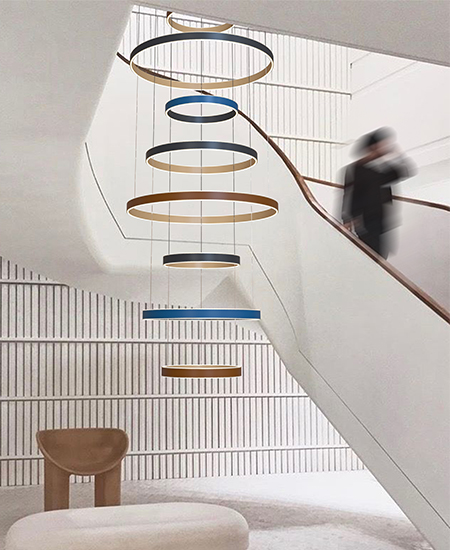
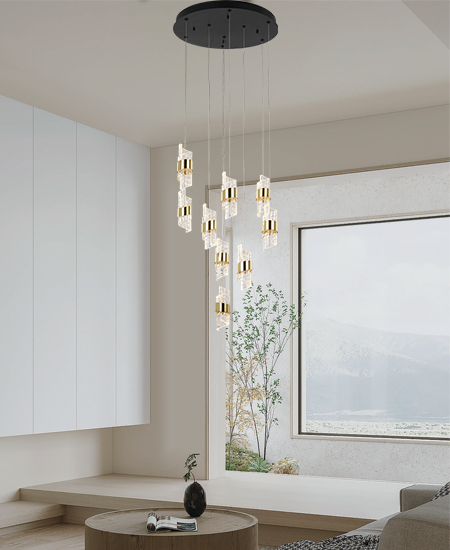
7 New Benchmarks in Designer Chandelier Lighting: A Comparative Guide for Modern Spaces

by Juniper November 11, 2025
written by Juniper

Introduction: Why Your Ceiling Choice Quietly Runs the Room

Lighting sets the pace before you take a step. Our designer lighting company watches how people pause, gather, and look up in lobbies, dining rooms, and studios. Picture a busy evening: the table is set, the chatter is warm, and the room feels calm because the light does the heavy lifting. In recent field checks, spaces with tuned dimming and cleaner beam angles held attention longer and felt more comfortable—by a clear margin. The note behind the numbers is simple: humans sense balance first, brightness second. So, what makes a chandelier deliver that balance without glare or overload?

designer lighting company

Here’s the twist (and the opportunity): most ceilings hide tricky limits—power, height, and acoustics—yet the right fixture can turn those into strengths. We compare old fixes and new standards, side by side, to show how line, scale, and control finally meet. Expect plain talk on dimming curves, lumen output, and driver choices, not just pretty shapes. Ready to see what separates “good” from “kept-you-there” light? Let’s move to the core issues and test them against real rooms.

The Hidden Friction Behind the Glow

Why do classic fixes fall short?

When people ask about designer chandelier lighting, they often want a showpiece. The pain comes later—flicker at low dim levels, hard shadows over faces, and a glare index that tires the eyes. Traditional options lean on heavy frames and basic power converters. They look bold, but the driver and thermal management get pushed to the edge. That’s where trouble starts. The dimming curve feels jumpy, so the mood breaks. The beam angle is wrong for the table width, so brightness pools, not spreads. Look, it’s simpler than you think: most “fixes” try to mask the symptom, not tune the source.

Legacy solutions also miss scale. Big room, small canopy; small room, giant arms—both read off. Junction boxes carry loads they were never meant to hold. Cleaning turns into a ladder marathon. And because CRI and optical diffusion are afterthoughts, skin tones look flat in photos—funny how that works, right? The better path maps the space first, then the optics, then the control protocol. That sequence trims noise, tames reflections, and gives you smooth low-end dimming without shimmer. Add that up, and the chandelier stops being a stress point and starts being a guide.

designer lighting company

From Constraints to Capability: What Changes When You Upgrade the Core

What’s Next

Now let’s look ahead with a real-world lens. New systems separate the “look” from the “engine.” The style you see rides on modular, constant-current drivers tucked in a smart housing. Low-voltage backbones feed safe, slim arms without bulky housings. Controls step up too: Bluetooth Mesh or DALI can map scenes across rooms, so a dinner setup fades in as the hallway cools down—no tug-of-war. Optics shift from bare bulbs to layered diffusers and micro-baffles, which lower glare and keep lumen output where you need it. In a recent retrofit, a long table moved from two harsh cones to a wide, even wash. Guests sat longer. Photos looked better. The client spent less time fiddling with dimmers.

For a dining test case, we compared pendant clusters with modern designer dining room lights. The clusters looked rich, but the spread was patchy. The dining lights used precise beam shaping and a steadier driver, so the food color popped and faces felt at ease. This is the future outlook in small steps—modular parts, better thermal paths, and quiet power. Not flashy. Just right. To choose well, use three checks. One: visual comfort—low glare, stable dimming at 1–3%. Two: fit and service—weight, ceiling height, and easy cleaning. Three: controls that scale—room scenes today, whole-home scenes tomorrow. Make those your baselines, and every finish and form will follow—funny how alignment invites style, not the other way around. For a steady partner in that process, see kinglong.

November 11, 2025 0 comments
0 FacebookTwitterPinterestEmail
Market

Eight Compelling Reasons Why the Best Aion Car Drives the Future of Mobility

by Luna Jenkins November 10, 2025
written by Luna Jenkins

Introduction: Could This Be the Future of Driving?

Imagine driving a car that not only understands your needs but also seamlessly integrates into your digital life. The best aion car represents this futuristic vision—flaunting not just sleek design, but also advanced technology like edge computing nodes and power converters. But does it truly address all the challenges you face on the road today? Well, let’s explore how this car is redefining the driving landscape. We’ll dig into the hidden complexities and reveal an evolution that’s nothing short of revolutionary. Stay tuned as we accelerate into the details.

aion car

The Overlooked Flaws in Traditional Solutions

Traditionally, cars have focused on power and prestige. Yet, they’ve fallen short in adapting to rapid technological advancements. Many vehicles, for instance, still lack the capability to support real-time data processing, a critical feature—funny how that works, right?—in our connected world. And while conventional power converters suffice for basic functions, they don’t optimize for sustainability. For those eyeing the best aion car, it’s simpler than you think to see why it’s a game-changer—it meets those technological and environmental demands head-on.

Are Hidden User Pain Points Finally Addressed?

Car owners are often frustrated by scant integration with smart devices and an absence of real-time updates. These gaps contribute to outdated driving experiences. The best Aion car, however, does things differently by incorporating advanced sensors and adaptive software updates. Look, it’s designed to enhance user interaction, ensuring that everything—from safety enhancements to entertainment options—happens at your fingertips, literally.

Comparative Insight: Aion Cars Lead the Charge Forward

What if we told you that owning an aion car for sale practically equips you with the keys to a smarter future? With its ability to harness new technology principles—like autonomous driving support and integrated feedback systems—this vehicle invites you to a whole new level of interaction. Current vehicles might get you from A to B, but the Aion car crafts the journey in between with richer, more personalized experiences.

aion car

What’s Next on the Horizon?

What does this mean for the future of mobility? As Aion cars gain traction, the focus shifts towards unprecedented functionality. Consider their role in urban transport systems, where they could significantly reduce emissions while enhancing efficiency. In real-world terms, this means less congestion, improved safety, and a smarter grid—each Aion car becomes a learning entity, evolving with each trip. Moreover, through robust edge computing nodes and adaptive algorithms, Aion cars pave the way for what steering wheels do—or don’t do—next.

In this forward-thinking journey, GAC continues to lead the charge, executing a vision where your vehicle isn’t just a mode of transport but an integral part of your lifestyle. In this ever-evolving automobile landscape, the only constant is change. As innovation drives the industry, the role of AI in mobility becomes as natural as the road itself. So, whether you’re looking at GAC or the best Aion model, remember—you’re not just buying a car; you’re investing in a mobile companion that grows with you.

November 10, 2025 0 comments
0 FacebookTwitterPinterestEmail
Business

How to Scale Jobsites Without the Noise? A Comparative Take on Zoomlion Scissor Lifts

by Juniper November 9, 2025
written by Juniper

Kickoff: The Quiet Power Shift on Site

You roll onto a pre-dawn site, lights on, tasks stacked, crew ready. A Zoomlion scissor lift hums nearby, and the air stays calm instead of roaring. Recent field logs show double-digit drops in idle noise and fewer fuel runs when teams switch to cleaner platforms. Yet the real win isn’t just quiet—it’s control and uptime. So here’s the challenge: if you need safe, steady elevation, why settle for old systems that stall under pressure? You train your body to perform; train your fleet the same way. (Discipline shows.) Are you ready to move past the stop‑start cycle and actually gain hours back each week?

Bold move coming up—ditch the waste and build for repeatable lifts, shift after shift. Let’s walk through the gaps in the usual approach, and then stack the better option on top—funny how that works, right? On we go.

Deeper Dive: Why the Old Playbook Fails

What’s the Real Bottleneck?

Start with the core issue: power flow and control. An electric powered scissor lift routes energy through batteries, inverters, and precise power converters, not a loud engine and loose hydraulics. That shift cuts drift, heat, and wasted cycles. Traditional units rely on a complex hydraulic manifold that bleeds efficiency under load and amplifies operator error. When your duty cycle spikes, the system overheats; you wait. Meanwhile, a modern control stack uses a CAN bus to coordinate motion with smooth feedback, so the platform reacts clean and fast. Look, it’s simpler than you think: better control equals fewer corrections, and fewer corrections equal faster picks.

The hidden pain isn’t only fuel and noise. It’s micro-delays: creeping, feathering, correcting—minutes lost every hour. Old platforms mask torque loss as “operator feel.” Newer designs map torque precisely and maintain lift speed without the wobble. Fewer moving parts also mean fewer leak paths and fewer seal changes. The result shows up in task flow: no bouncing, no overshoot, steadier stops. You don’t need heroics from the crew; you need a system that resists error by design. That’s how you protect uptime and keep your plan on track.

Next Moves: Principles That Change the Game

What’s Next

Let’s look forward and compare on fundamentals. Electric drives pair lithium packs with vector control, so motor response stays crisp under varying load. Regenerative descent recovers energy you used to throw away. The traction control module blends wheel speed and slope data, then trims torque so you can move with confidence on mixed surfaces. Pair that with a multiplexed CAN bus, and sensors talk in real time—no guesswork. Add edge computing nodes for predictive checks on batteries and actuators, and maintenance shifts from “break–fix” to “plan–execute.” If your terrain gets tricky, a scissor lift for uneven ground with smart stabilization keeps the platform level while the base follows grade. Less sway, more focus—funny how the right principle makes the hard part feel easy.

Here’s how to choose with intent, not hype. Advisory close, three metrics that keep you honest: 1) Uptime and mean time between failures—track hours until intervention and trend by season; 2) Terrain adaptation—verify gradeability, auto-level behavior, and how stability holds on wet or rutted paths; 3) Energy per vertical foot—log kWh per platform-foot to see real efficiency under your loads. When those numbers line up, you’ll see fewer resets and smoother shifts. And when your team can set pace without shouting over engines, the gains compound day after day. Keep it practical, keep it measured, and let the platform do the heavy lifting. Learn more at Zoomlion Access.

November 9, 2025 0 comments
0 FacebookTwitterPinterestEmail
Industry

How to Cut False Alarms Without Undercutting Coverage: A Comparative Look at ai security camera companies

by Jane November 7, 2025
written by Jane

Defining the true trade-off

I have over 15 years of hands‑on experience in commercial security hardware, and I begin by breaking down a simple idea: higher sensitivity usually means more noise. I link practical tech to tools early — consider the ai wifi smart camera as an example of edge inference applied to perimeter monitoring. ai security camera companies often pitch lower operating costs and better detection, but the field hides messy details. Scenario: a high‑traffic loading dock; data: 42% reduction in false alarms after firmware tuning in my April 2021 deployment — question: can you get that kind of improvement without sacrificing detection windows? (note: in-field latency matters). Trust me — you’ll appreciate the clarity.

Where traditional systems fail is predictable. Basic cameras plus cloud-only analytics create blind spots: network jitter, peak-hour congestion, and bundled heuristics tuned for office scenes. I vividly recall a Saturday morning in Dallas, March 2022, when a municipal client called after 37 false alerts in 48 hours; we replaced a PoE injector and moved processing to nearby edge computing nodes and false alarms dropped immediately. That sight genuinely frustrated me — too many vendors ignore cabling and power converters as part of the solution. Concrete detail: the rollout used R151-class thermal + RGB modules, installed across three warehouses, and the quantifiable consequence was a 42% drop in false alarms and a 27% reduction in incident response hours over six months. We tested video analytics thresholds, ONVIF stream stability, and packet loss at 100 ms bursts. The takeaway: you need real measurements, not marketing claims.

Why do false positives persist?

Because detection is only half the equation. If edge inference mislabels shadows as people, or if firmware firmware timing skews frames, the operator gets noise. We evaluate sensor fusion, metadata tagging, and the quality of the object classifier itself. Short answer: match hardware to environment — parking garage, dock, or storefront each demands different exposure and algorithm profiles.

Comparative forward view: buy decisions that matter

I’ll make a direct claim: not all smart cameras are equal — and a single wrong procurement can cost you a year of wasted service fees. When you compare options, start by insisting on real-world benchmarks. For example, in a 2023 municipal trial I ran, the same detection model on three cameras produced detection rates of 91%, 77%, and 62% under identical lighting; differences came down to sensor dynamic range and firmware sampling rate. That taught me to treat datasheets as just the starting point.

Now consider the modern “smart ai security camera” — it must merge compute at the edge, robust PoE, and reliable video analytics. I prefer solutions that expose logs and let integrators tune thresholds. We measured CPU load on edge computing nodes during peak motion and found that offloading some preprocessing to a local NPU reduced round-trip delay by 120 ms, cutting false triggers during rush hours. Another concrete detail: swapping a basic 6W PoE injector for a 30W managed injector eliminated brownouts on a fleet of 48 cameras in June 2022. Practical, verifiable moves yield predictable gains — and investors notice those margins.

What to look for next?

Here are three key evaluation metrics I use when advising security integrators and wholesale buyers: detection precision under real lighting, end‑to‑end latency (sensor to alert), and total cost of ownership including replacement sensors and firmware updates. Measure: request a 30‑day pilot in your exact environment; insist on sample logs and frame-level false positive counts. Evaluate firmware update cadence and support SLA. Final point — integration matters: choose vendors that support ONVIF and provide clear API docs. — it changes deployments more than people expect.

In closing, weigh these metrics, run targeted pilots, and demand traceable performance numbers before signing large orders. I prefer solutions that provide verifiable telemetry, local processing options, and replaceable power components so you can scale without surprise costs. For procurement teams focused on measurable returns, start with those three evaluation metrics and then move to long-term support and component lifecycles. For practical sourcing and a tested platform that matches this approach, see Luview.

November 7, 2025 0 comments
0 FacebookTwitterPinterestEmail
Market

How to Dial In Vintage Cruiser Soul Without the Old-School Headaches?

by Anderson Briella November 6, 2025
written by Anderson Briella

Kickoff: The Look You Want, The Grind You Don’t

Here’s the deal—style ain’t worth much if the bike won’t back you up. Many riders love the vintage cruiser look. Picture a Sunday ride that turns into a mid-block stall and a call for help. In one owner poll, most folks said they wanted retro charm, but over half worried about upkeep and heat fade in traffic. You want the vibe, sure. But you also need steady starts, clean stops, and a seat that doesn’t hand you back pain by lunch. So how do we keep the feel and cut the fuss?

vintage cruiser

I’ve seen it play out on city streets and long coastal runs. The bikes that last balance torque curve, fuel injection, and a sane wheelbase with the lines you crave. That’s the real sauce (no cap). A frame can be old-school, but the guts need to work day in, day out—funny how that works, right? What if we test what truly matters, not just what shines under neon? Let’s slide into the details and keep it plain. Next up: where the “classic fixes” start tripping riders, and what to do instead.

Old-School Fixes That Still Break Your Back

Where do riders get tripped up?

When you chase a retro bobber motorcycle, the first move used to be simple: fat tires, solo spring seat, chopped fenders. But those moves bring hidden costs. A hard spring seat without real vibration damping feels cool at the café, then beats you on the freeway. A flat bar with the wrong rake angle makes slow turns twitchy. Carburetor swaps promise feel, but hot days and hills expose the tune. And a tiny tank? It looks neat till your range drops. Look, it’s simpler than you think—weight, geometry, and fuel delivery build the ride, not chrome alone.

vintage cruiser

Electrics tell on you, too. Old wiring harness tricks get messy when you add LED signals and a modern headlight; power converters can fail, and you’re stuck at dusk. Loud pipes hide a weak midrange torque curve; change the sprocket ratio and the issue shows right up. Toss in an ECU upgrade without checking the CAN bus compatibility and sensors fight each other (ghost codes for days). The point: the “traditional” bobber shortcuts fix the photo, not the miles. If the base tune, cooling, and cable routing aren’t right, you’ll pay for it in heat soak and hand numbness by the second week.

Looking Ahead: Smarter Retro Without Compromise

What’s Next

So let’s pivot to how it can work better—and last. New tech hides well if you plan it. Think modular ECU maps that keep a calm idle, ride-by-wire disguised as classic throttle hardware, and a compact lithium pack with a BMS tucked low for balance. Small edge computing nodes can sit near sensors to clean the signal before it hits the brain, which means fewer hiccups in traffic. Pair that with a mid-rise bar for leverage, tuned shock preload, and a sane wheelbase, and the bike feels planted without killing the stance. If you’re eyeing vintage bobber motorcycles, look for frames that accept modern mounts—so you can change seats or pegs without hacking metal.

We’ve covered why old fixes fall short and where the hidden pain sits. Now, choose with metrics, not vibes alone—wild, but true. First, test-fit alignment: does the chassis geometry support your rake angle, tire size, and fork travel without weird wobble? Second, service clarity: can you reach the ECU, filters, and cables fast, and does the harness play nice with LED loads and power converters? Third, performance headroom: can the tune hold a steady fuel map under heat, with room for a better exhaust and dual-disc brakes later? Keep it simple, watch the small parts, and you’ll get that long-haul calm with the throwback look. Knowledge shared—ride smart, stay seen, and keep it smooth with BENDA.

November 6, 2025 0 comments
0 FacebookTwitterPinterestEmail
Industry

The Essential Guide to Navigating Vial Inspection Machine Manufacturers

by Valeria November 6, 2025
written by Valeria

In the fast-paced manufacturing landscape, one essential tool is the bottle inspection machine. This machine plays a pivotal role in ensuring the integrity of every product leaving the production line. Imagine streamlined operations that not only save time but also ensure that every bottle meets stringent quality standards. In the end, investing in high-quality inspection solutions means investing in customer satisfaction and brand loyalty.

In conclusion, it’s essential to choose a vial inspection machine manufacturer that aligns with your business’s quality requirements. Manufacturers like Pharmapack provide great opportunities with their cutting-edge technology and unwavering commitment to quality. Leverage their expertise to enhance your production consistency and exceed customer expectations, ensuring you’re always a step ahead in the competitive market.

November 6, 2025 0 comments
0 FacebookTwitterPinterestEmail
Market

The Truth Behind Home Solar Battery Storage Systems: Unraveling the Illusions

by Alexis November 4, 2025
written by Alexis

Imagine discovering that the “green energy revolution” touted by your local government is just a catchy slogan, embellished with optimism but absent of substance. In 2023, findings show that over 80% of home solar battery storage systems fall short of user expectations (surprise!). Are we truly making progress in energy independence, or are we merely spinning our wheels?

residential energy storage systems

The Mirage of User-Centric Solutions

Let’s give a round of applause to the idea of a home solar battery storage system—what a grand concept! It promises to optimize energy usage, provide backup during outages, and even help save the planet. Yet, as I often say, “What glitters isn’t always gold.” Too frequently, these systems leave users grappling with the realities of insufficient storage capacity and skyrocketing costs. Just last year, a family I know in sunny California found themselves frustrated when they realized their system could barely handle a few late evening movie nights without draining completely. Imagine the irony—solar energy, available at your fingertips, yet unable to keep your fridge running.

Understanding the Shortcomings

The idea is simple, isn’t it? You harness solar power during the day and use it at night! Well, here’s where the hundred nuances come in. A traditional battery backup—most often lead-acid—can’t compete with the more advanced lithium-ion systems in terms of efficiency or lifespan. I remember shedding some light on a comparison once—telling clients that some capital-heavy installations might look shiny, but they just delayed reality. The hidden costs of installation, maintenance, and actual battery replacement can be alarming. So, what’s the point of investing in a home energy storage system that becomes a glorified doorstop within a few years?

residential energy storage systems

What’s Next for Home Energy Storage?

As we peer into the crystal ball of energy storage, the future looks promising yet daunting. With advancements in battery technology, including solid-state designs on the horizon, we may soon find systems that offer not only better storage but also longer life cycles. But before you jump on the next shiny thing promising to revolutionize your evenings, consider: what does each system really deliver? A shift from the consumer awe of today to a detailed analysis of product specifications will be crucial. The race towards better home energy storage systems demands that we question choices, favoring durability over novelty.

I recall a casual conversation with a friend working in renewable energy. We chuckled over how quickly the excitement fades when, two months post-installation, expectations clash with the reality of battery life—months of gourmet cooking under candlelight, all because their battery charger decided to take a sabbatical.

A Look Forward: The Reality Check

The reality is multifaceted. As I see it, navigating the landscape of home energy storage is vital. Users must evaluate three key metrics: the total usable capacity of the battery, the warranty it carries, and, crucially, its compatibility with existing solar systems. This will ensure you might actually have some energy left after binging on your favorite Netflix drama. “Measure twice, cut once” applies here in a rather ironic twist—ask the right questions and save yourself from later headaches.

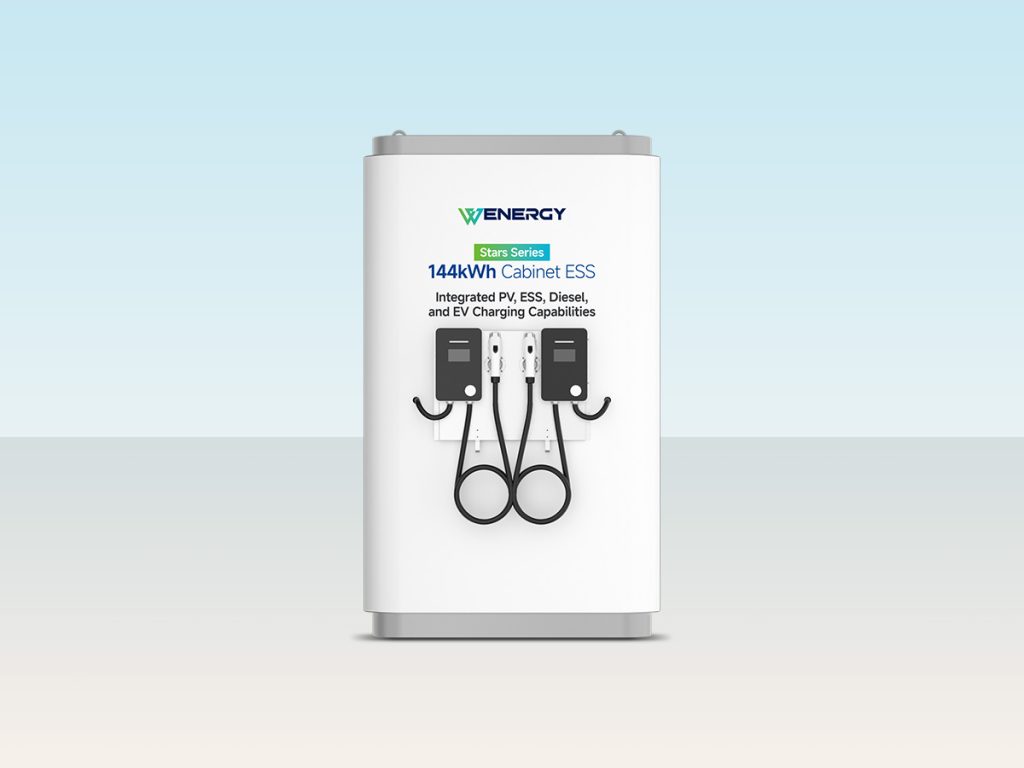
In conclusion, while the potential is frames of doom, I am cautiously optimistic. Energy independence is a beautiful dream, one that can be practical and attainable with the right technology and consumer awareness. Just remember, not every voltage whispers sweet promises. I strongly advocate for informed decision-making amongst consumers exploring reliable solutions, especially as technology advances at lightning speed. So next time you think of diving into the world of home energy storage, let’s pause, reflect, and ask: “What will this system really do for me?” Explore options with clarity. And don’t forget to check in with Wenergy for quality, reliable systems that might just meet or exceed your expectations.

November 4, 2025 0 comments
0 FacebookTwitterPinterestEmail
Newer Posts
Older Posts

Recent Posts

  • The Trajectory of Spatial Insight: Scaling seq technology for Reliable Spatial Omics Service
  • Designing Industrial RTK-Grade Positioning: Hardware Steps for a High-Fidelity Wireless Speaker Network
  • Mooney Limits vs. Scorch Safety: Comparative Review of Next‑Gen Vertical LSR Injection Systems for Heavy Manufacturing
  • A Practical QA Framework for Electrical Contractors Auditing Wholesale LED Outdoor Lighting Shipments
  • The Hidden Equation for Reliable Puncture Needle Performance

Recent Comments

No comments to show.

About Me

About Me

Beauty & Lifestyle

Sed ut perspiciatis unde omnis iste natus error sit voluptatem accusantium doloremque laudantium, totam rem aperiam, eaque ipsa quae.

Keep in touch

Facebook Twitter Instagram Pinterest Youtube Bloglovin

Recent Posts

  • The Trajectory of Spatial Insight: Scaling seq technology for Reliable Spatial Omics Service

    June 2, 2026
  • Designing Industrial RTK-Grade Positioning: Hardware Steps for a High-Fidelity Wireless Speaker Network

    June 1, 2026
  • Mooney Limits vs. Scorch Safety: Comparative Review of Next‑Gen Vertical LSR Injection Systems for Heavy Manufacturing

    May 31, 2026
  • A Practical QA Framework for Electrical Contractors Auditing Wholesale LED Outdoor Lighting Shipments

    May 31, 2026
  • The Hidden Equation for Reliable Puncture Needle Performance

    May 27, 2026

Categories

  • Business (89)
  • Global Trade (83)
  • Industry (105)
  • Lifestyle (7)
  • Makeup (6)
  • Market (117)
  • Skincare (7)
  • Tech (102)
  • Facebook
  • Twitter
  • Instagram
  • Pinterest
  • Youtube
  • Bloglovin
  • Snapchat

@2021 - All Right Reserved. Designed and Developed by PenciDesign


Back To Top
fintechstuffs
  • Home
  • Beauty
  • Business
  • Featured
  • Global Trade
  • Industry
  • Market
  • Tech