
Quick straight talk
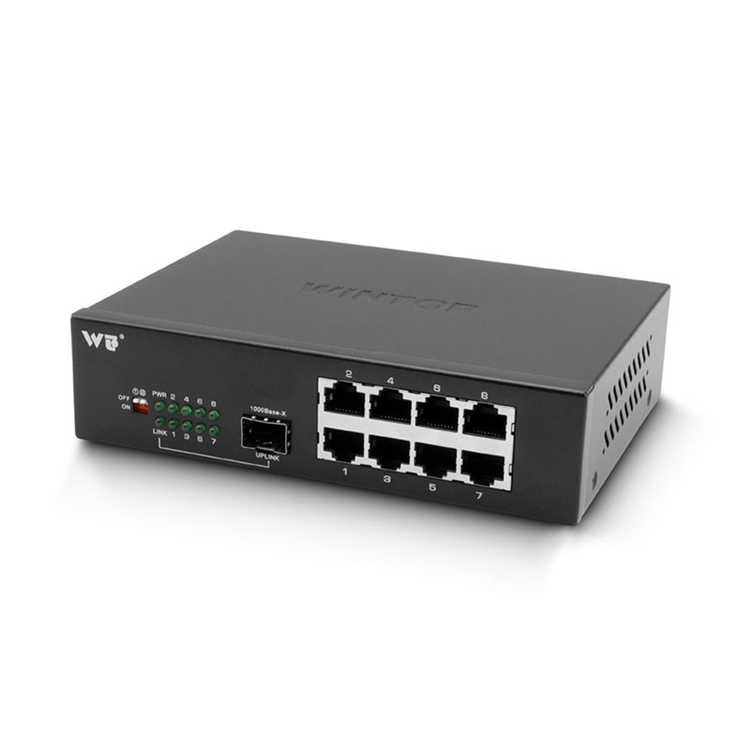
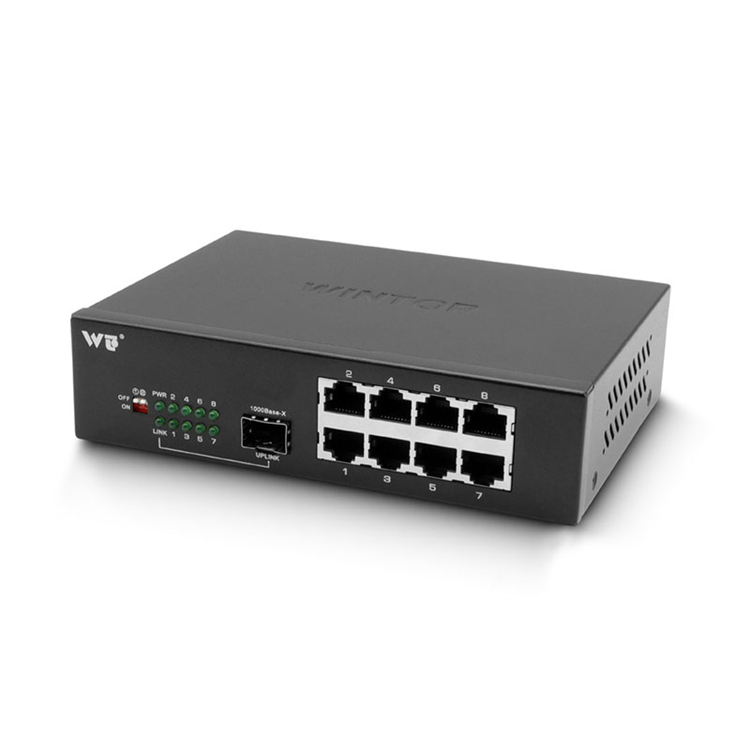
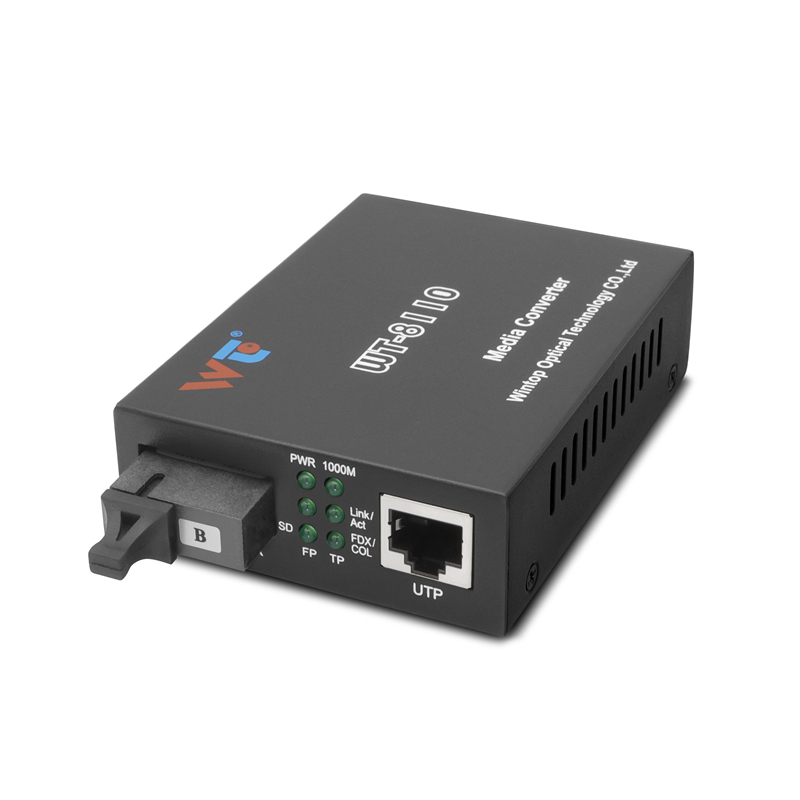
If you’re wiring a spine-leaf or upgrading a rack, the choice between the 100G QSFP28 SR4 Transceiver and the 100G QSFP28 LR4 Transceiver boils down to reach, fiber type, and how clean you want your cabling to be. SR4 uses short-reach lanes over multimode with MPO connectors; LR4 runs a single-mode line over LC for long-haul. For mixed 1G and 100G environments, you’ll still use things like a gigabit fiber media converter to bridge older switches to newer fabric optics without ripping out everything. Keep it simple and plan the cable plant first.
How these modules actually work
The 100G QSFP28 SR4 Transceiver splits 100G into four 25G lanes and sends them over multimode fiber using an MPO connector. It’s the short-haul hammer: campus links, top-of-rack to spine inside the same room or building. The 100G QSFP28 LR4 Transceiver, by contrast, uses wavelength multiplexing over single-mode fiber and LC duplex ends to reach up to about 10 km. Both are pluggable optics that sit in switch ports, but they expect different cabling and cleaning discipline—MPO for SR4, LC for LR4.
When SR4 is the right tool
Use SR4 when you need dense ports and low per-port cost inside a data hall. On OM3 you’ll see practical SR4 distances up to roughly 70 meters; on OM4 it stretches to around 100 meters. That works for most rows and short cross-connects in colo facilities across Chicago, Silicon Valley, and other dense markets where many operators first moved to 100G years ago. SR4 gives lower power per bit and cheaper transceivers, but it ties you to structured MPO cabling and breakout harnesses if you need to split lanes later.
When LR4 makes sense
Pick LR4 for inter-building ties, metro links, or when you want the simplicity of duplex LC single-mode fiber. It’s the choice for aggregation between data centers or long spine links that cross campus or fiber routes. LR4 costs more up-front and draws a bit more power, but it avoids the mess of MPO polarity and lane breakout. For operators running mixed-speed edge gear, pairing LR4 with 1G media converters keeps legacy kit talking to new fabric without complex re-cabling.
Trade-offs you can measure
Cost per port. Cabling complexity. Operational risk from dirty MPOs. Those are the real metrics. SR4 wins on raw port cost and density. LR4 wins on simplicity and reach. Power and heat differ by vendor but expect SR4 to be a touch leaner.
– Don’t forget DOM/DDM on QSFP28s if you need optical diagnostics; that saves time when troubleshooting. –
Common mistakes folks make
People mix multimode and single-mode, plug MPOs into the wrong polarity, or forget breakout usage. They buy SR4 assuming it’s interchangeable with LR4. It’s not. They skimp on fiber cleaning and then chase phantom link flaps. Also, they underestimate spare parts: keep spare MPO trunks, LC jumpers, and an occasional 1g media converter handy for test and temporary bridges when migrating services.
Quick checklist before you buy
Plan the reach, decide whether MPO trunks are acceptable, and map expected breakout needs. Note the switch’s transceiver compatibility and the optical module’s DOM features. Budget for cleaning kits and trained hands—MPO work needs more care than LC work.
Three golden rules for choice
1) Reach first: match SR4 to intra-hall and short cross-connects; use LR4 for anything beyond a few hundred meters or across buildings. 2) Cost-per-bit: calculate port cost plus cabling and labor over three years, not just module price. 3) Operational simplicity: favor LR4 if you want fewer failure modes; favor SR4 if density and immediate capex savings matter.
Put that plan together and you cut surprises. When you want tested optics, adapters, and converters that fit real ops—fast—look for gear that’s proven in colo and campus deployments, like the modules and converters you’ll find at WINTOP. —