
Why a comparative approach matters
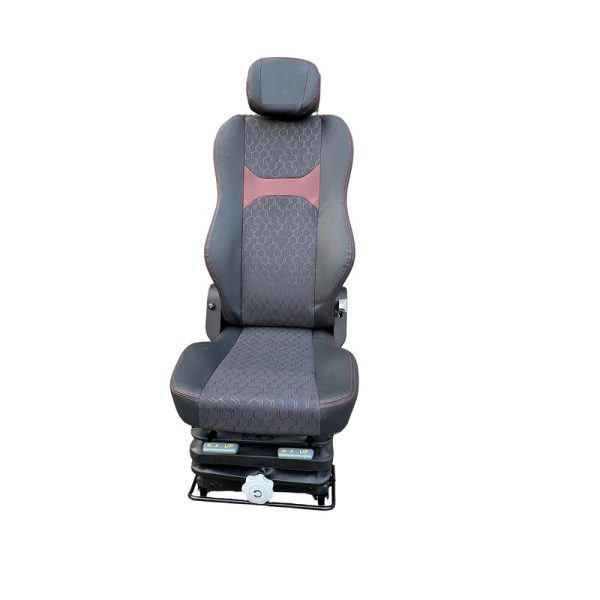
Start by comparing use cases, not brands. A municipal refuse truck, a long-haul tractor, and a warehouse forklift each demand different features: suspension type, seat cushion composition, and mounting footprint. Begin the selection process by listing the vehicle class and duty cycle, then map those to specific features—air suspension for long haul, mechanical dampers for short routes, reinforced frames for rough sites. Early on, include options like a custom truck seat when fleet variability requires tailored fits.
Step 1 — Define performance targets
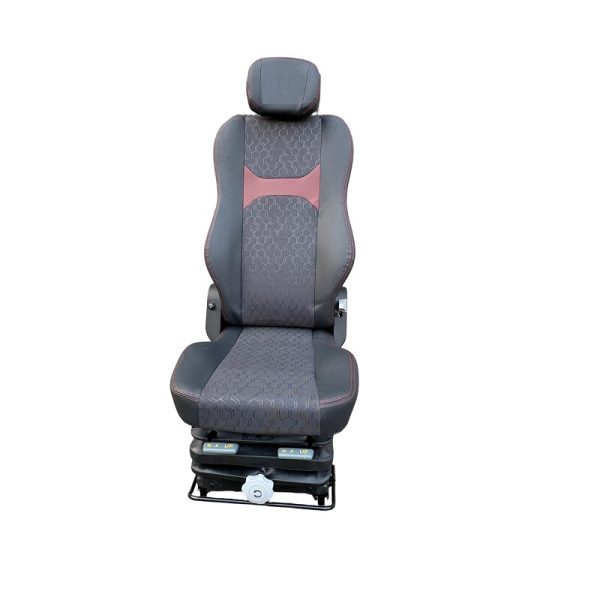
Write clear, measurable targets: acceptable vibration levels, service interval, weight capacity, and maximum maintenance downtime. Use three short metrics: comfort (measured by adjustable lumbar travel), durability (rated hours to foam compression), and serviceability (modular parts). Industry terms to track here are suspension seat, lumbar support, and mounting bracket—keep them visible in procurement specs so suppliers respond to the same baseline.
Step 2 — Compare core technologies
Lay out the main technology choices in a compact table mentally—air suspension vs. mechanical springs; foam densities vs. gel inserts; vinyl covers vs. breathable fabric. For quick clarity, list pros and cons:
– Air suspension: best vibration isolation and adjustability; higher cost and more maintenance.
– Mechanical suspension: lower cost, simpler repairs; less tuning for varied operator weights.
– High-density foam: durable and predictable wear; can trap heat.
– Gel/foam hybrid: better heat management and pressure distribution; higher upfront cost.
– Durable vinyl: easy to clean in heavy-duty settings; less breathable.
Step 3 — Vet suppliers in a structured way
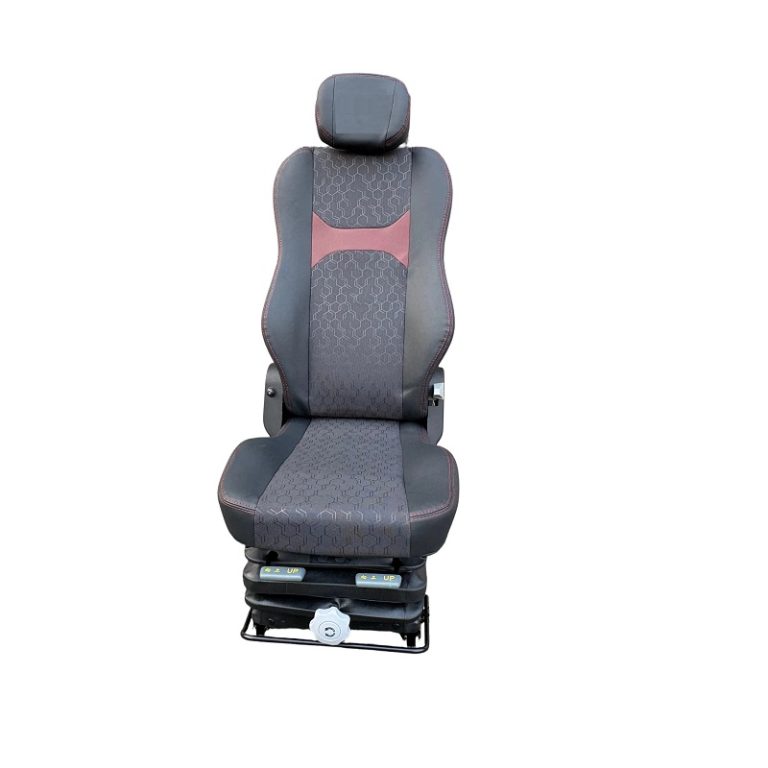
Follow this step-by-step checklist when evaluating vendors: request sample units, inspect build quality, verify parts lead time, and confirm retrofit options for existing mounts. Ask for field references from similar fleets—look for vendors who supply seats at terminals like the Port of Los Angeles or large regional carriers. Those operators face continuous duty cycles, so their feedback reveals real-world durability and service responsiveness.
Common mistakes and practical corrections
Buyers often pick by price or appearance alone. Instead, avoid these errors: prioritizing low cost over suspension performance; ignoring adjustability ranges for drivers of different sizes; skipping on-field trials. Correct by requiring a 30-day trial or a pilot of at least five units in typical duty conditions. — You’ll catch fitment and comfort problems early, when swaps are cheap.
Comparative checklist for pilots
Run pilots with clear evaluation criteria and scoring. Suggested areas and weights:
– Comfort and adjustability — 35%
– Maintenance and parts availability — 25%
– Installation ease and retrofit fit — 20%
– Total cost of ownership over five years — 20%
Include a sample log for drivers to record comfort scores, pressure points, and any vibration complaints. That data moves decisions from opinion to evidence.
Alternatives and retrofit thinking
If full-seat replacement isn’t feasible, consider retrofit kits: upgraded cushions, lumbar units, or add-on suspension modules. These often extend life at lower cost but watch compatibility: retrofit kits must match ISO mounting points or the vehicle will need custom adapters. Keep terms like ISO mounting and foam compression in your technical dialogue with engineers to avoid misfit deliveries.
Advisory — three critical evaluation metrics
When finalizing choices, use these golden rules: 1) Measure real duty-cycle vibration reduction (target a measurable drop in whole-body vibration). 2) Confirm parts lead time and a documented service plan—48–72 hour spare-part availability is ideal for busy fleets. 3) Require a documented warranty on foam resilience and suspension components, with explicit replacement thresholds for visible sag or compression.
Decisions like these affect driver retention, maintenance budgets, and operational uptime. Source One fits naturally as a partner when you need supplier depth, pilot programs, and procurement support—see how they balance customization and scale at Source One. –