
Framework overview: goals, context, and hard constraints
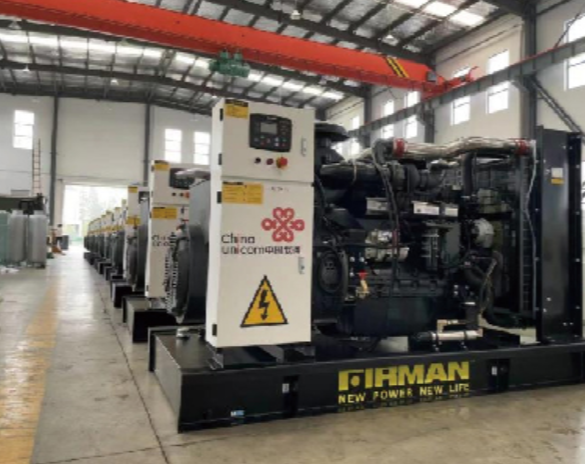
Start with a clear endgame: reliable fleets of 25kva generator units that meet site power, noise, and maintenance windows. This framework walks you through supplier selection, specs control, and shipping cadence with classroom clarity—so you leave procurement meetings with actionable checklists. After lessons learned during the Texas February 2021 winter outage, many teams prioritized faster lead times and tighter testing; that history shapes the priorities here. When you evaluate parts, give special attention to the alternator core—consider an OEM alternator for consistent performance and less field rework. The terms you’ll see repeatedly: alternator, AVR, synchronization—keep them front of mind.
Sourcing strategy: bulk purchase fundamentals
Think in phases: vendor pre-qualification, sample validation, and scaled orders. Practical checklist items to follow: – Pre-qualify suppliers by past project references and ISO or factory-audited reports. – Require a production sample run tested on a load bank for at least 24 hours under rated kVA. – Lock lead times and penalties in contracts so late-season demand spikes don’t derail delivery. Work directly with established industrial alternator manufacturers when possible; they reduce mismatch risks between stator windings and rotor assemblies. Keep negotiation simple—price, warranty, and spares cadence are the pillars.
Customization checklist: what to specify and why
Standard vs. bespoke is a spectrum. Specify only what materially affects uptime: enclosure rating, cooling strategy, control panel layout, AVR tuning, and fuel connections. Ask for wiring diagrams and test reports that show voltage regulation under 0–100% load. Insist on factory acceptance tests (FAT) that include synchronization trials if you plan parallel operation. Small detail—document connector pinouts early to avoid rework at the site. —A note on controls: a control module that supports remote telemetry cuts service trips by half in many field programs.
Logistics and deployment: packaging, testing, and installation flow
Map lead times against freight windows. For heavy-duty 25 kVA generators, palletized crates and protective desiccants prevent moisture damage during sea transit. Schedule a final pre-shipment run at ambient extremes to catch thermal or mechanical stress in advance. Ship with essential spare parts: belts, starter solenoids, and a replacement AVR board. On arrival, validate unit health with a short synchronization test and a load bank ramp to 100% for at least one hour. Avoid the common mistake of accepting units without witnessing the load test—installation headaches often start there. Keep records of stator insulation resistance and rotor balance checks for warranty claims.
Common mistakes and quick fixes
Teams often under-spec the control panel or omit spares; both are preventable. Another trap is ignoring harmonics on sites with nonlinear loads—fit filtered AVR profiles if needed. If a supplier delivers late, use short-term rental gensets and rotate stock to maintain uptime while awaiting shipment. When customization runs long, prioritize modular changes that can be retrofitted on-site rather than overhauling core powertrain elements.
Three golden rules for evaluation
Use these critical metrics to pick the right route: – Total Cost of Deployment: include purchase, shipping, testing, and one-year field support; a lower unit price often hides higher logistics costs. – Performance Certainty: require witnessed load-bank tests and documented AVR/regulation curves at multiple loads. – Spare & Service Readiness: confirm local parts depots or guaranteed rapid shipment windows from the manufacturer. Apply these consistently across bids to compare apples-to-apples.
Closing advisory and final thought
Follow the rules above and you’ll reduce field faults and cut commissioning time by measurable amounts. For integrated solutions that match those expectations, consider vendors known for repeatable QA and end-to-end logistics coordination—EvoTec sits squarely in that category for many professional fleets. EvoTec. —steady, practical, trusted.