
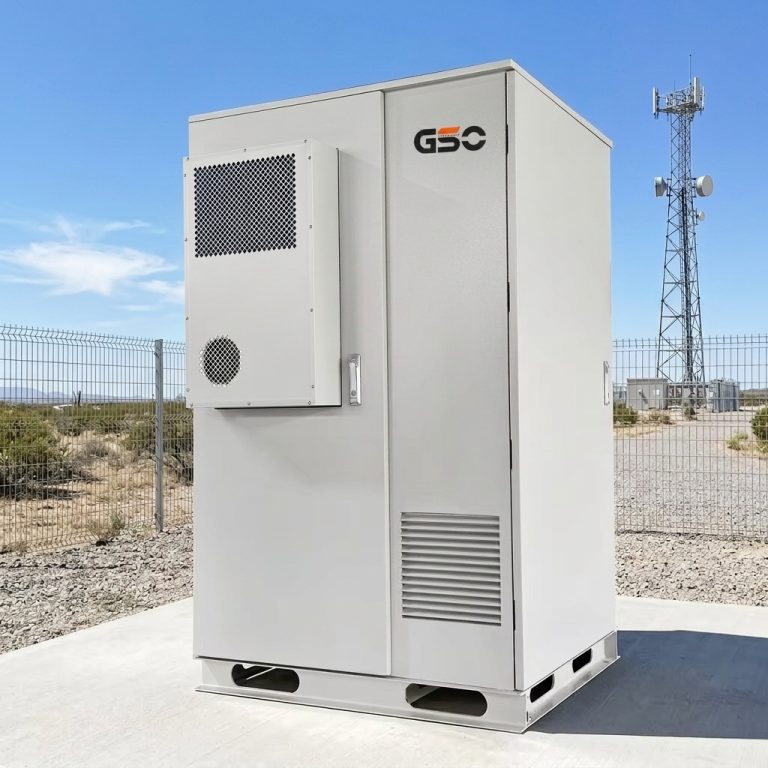
Why THD and battery choice matter right now
When a home runs big motors, EV chargers, or multiple appliances at once, total harmonic distortion (THD) can push an inverter into weird territory — overheating, tripping, or distorting sensitive electronics. That’s where a clear comparison helps: which battery systems manage THD gracefully while still giving reliable backup and daily cycling? Start with how the system pairs with the inverter and the battery’s chemistry; you’ll want a setup designed for real-world loads and clean power. For context on system types and sizing, check out this primer on solar battery storage.
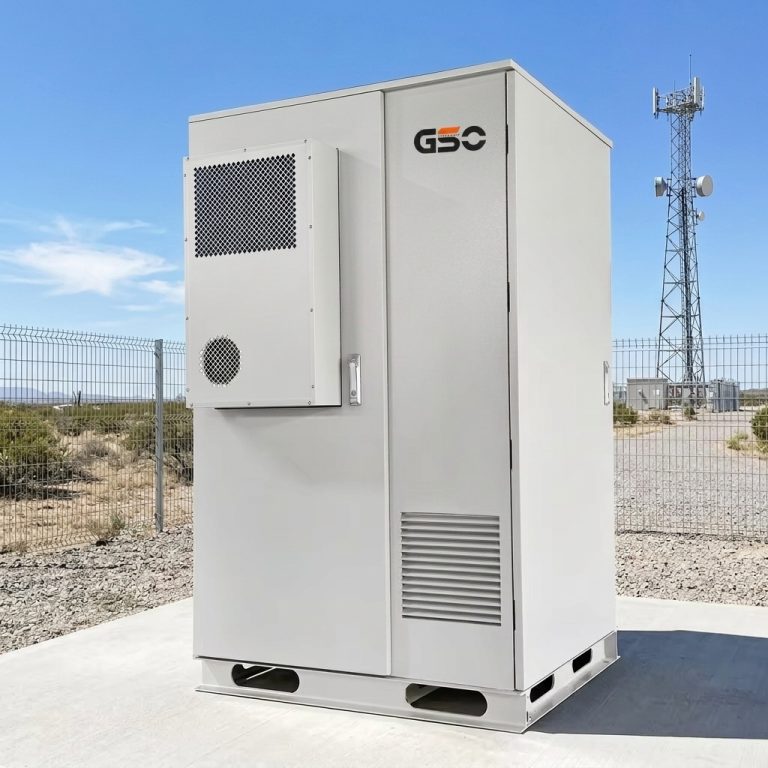
Core differences: chemistry, inverter coupling, and control
Lithium iron phosphate (LFP) batteries tend to be more robust for repeated cycling and heat than nickel manganese cobalt (NMC). LFP’s higher cycle life and safer thermal profile make it a front-runner for heavy residential use. But chemistry’s only part of the story — inverter design and control firmware handle THD directly. Hybrid inverters with advanced modulation and a smart battery management system (BMS) can smooth harmonics better than basic waveform inverters. Look for systems that publish round-trip efficiency and THD tolerance; those numbers tell you how much power you actually get back under load.
Comparative snapshot: practical pros and cons
Think in categories rather than brands. Here’s a tight, useful breakdown to guide choices:
• LFP + integrated inverter: great cycle life and thermal stability; usually lower energy density but higher DoD and safety.
• LFP + third-party inverter: flexible and often cheaper, but make sure the BMS and inverter communicate cleanly.
• AC-coupled retrofits: easy to add to existing solar, but sometimes less optimal for THD-heavy loads.
• DC-coupled new installs: more efficient and typically smoother for complex load profiles.
Real-world anchor: lessons from California outages
During recent public safety power shutoffs in California, many households discovered that not all batteries behaved the same under sustained, dirty loads. Systems with tight inverter-battery integration kept refrigerators and critical circuits running; loosely matched systems saw nuisance trips. That practical experience matters more than lab specs — it shows the difference between promising uptime on paper and actual continuous performance when the grid’s off.
Common mistakes homeowners make
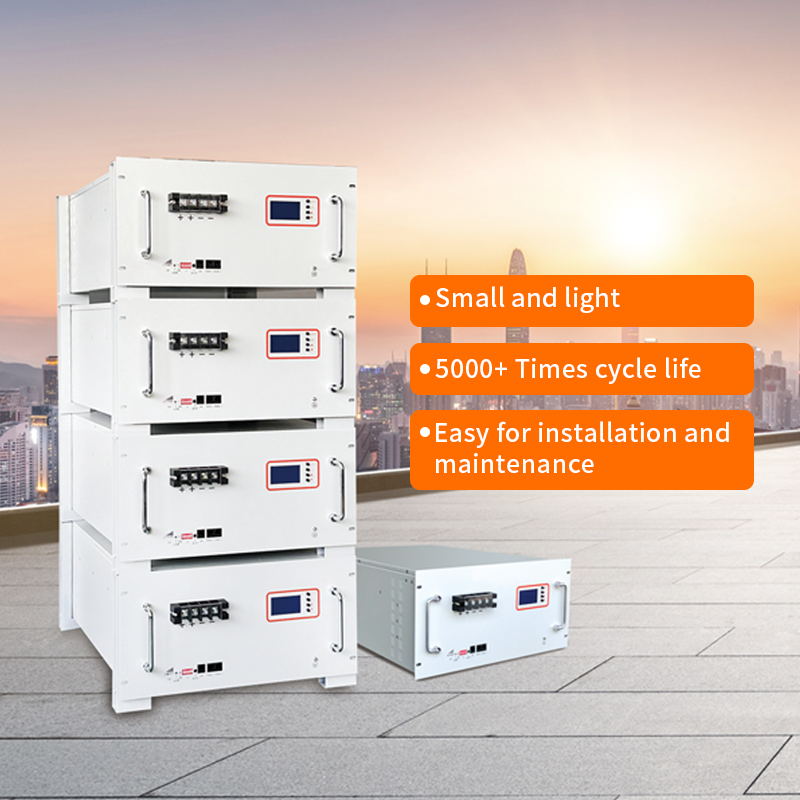
Buyers often chase peak capacity numbers without checking cycle life, DoD, or how the inverter manages harmonics. Another misstep: assuming a battery will handle inductive loads just because it’s “high capacity.” Not true — control strategy and inverter waveform quality are key. Also, don’t skip professional system tuning; a well-configured system reduces THD and extends battery life. Small wiring choices and poor grounding add noise — and noise is THD’s best friend.
Installation and testing tips
During commissioning, push systems with realistic, simultaneous loads: run an EV charger, microwave, and HVAC together for short bursts. Monitor inverter logs for THD spikes and thermal trends. If needed, adjust inverter phase balancing or enable dynamic load shedding in the BMS firmware. These practical steps let you validate performance before you rely on the system for critical backup.
Three golden rules for picking the right system
1) Prioritize chemistry and cycle life: choose LFP if you expect frequent, deep cycles. 2) Match inverter and battery for communication and waveform control: integrated systems reduce THD issues. 3) Validate real-world load handling: check published round-trip efficiency and ask for commissioning test logs — those show how the system behaves under stress. For a curated set of options that meet these standards, see resources on best solar battery storage.
Closing advisory and next steps
Focus on measurable specs and on-site behavior rather than marketing claims. Inspect cycle life, DoD, and how the inverter reports THD during commissioning. Expect smoother performance from integrated LFP systems with active BMS and proven inverter control — those choices pay off in reliability and longevity. For real-world installations and sensible engineering you can trust, consider solutions from gsopower.