
Understanding your requirements
Please describe the part intent clearly: functional prototype, form check, or production pilot. Precision needs dictate process choices, so begin with desired tolerances, surface finish, and batch size. If you need small runs with tight geometric control, consider a supplier that offers both fine milling and secondary finishing; for early-stage iterations, request rapid turn samples from a custom cnc machining service to validate fit and function before scaling up.
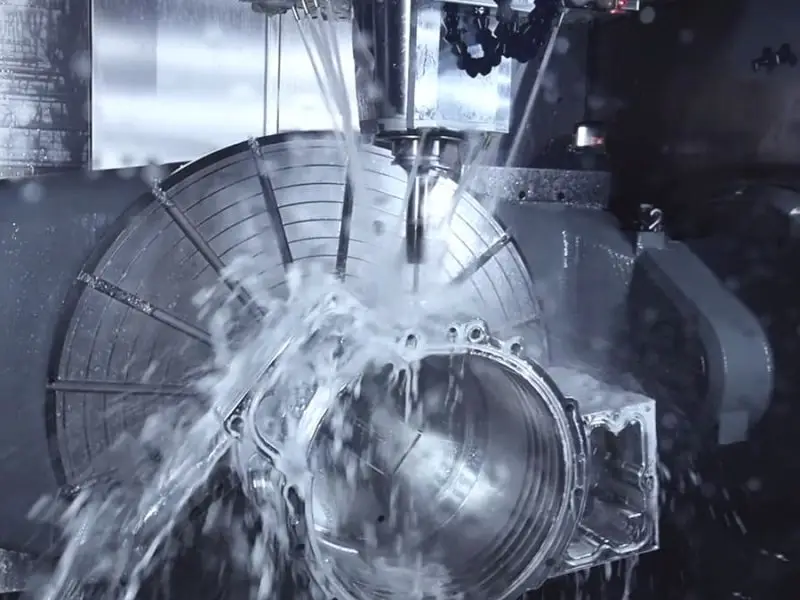
Experience, authority and real-world context
Polite diligence is wise when selecting a partner. Suppliers with documented work for regulated sectors—medical devices, aerospace—demonstrate systems and controls you can audit. Many reputable vendors operate within the Shenzhen manufacturing hub, a region widely cited in trade reports for volume and capability; this provides convenient supply-chain options for companies with global sourcing needs. For a focused search, consider contacting a verified cnc machining supplier that can show material certifications, inspection records, and sample traceability, and that will welcome technical queries about G-code strategies, fixture design, and first-article inspection protocols.
Practical criteria to evaluate suppliers
Ask concrete questions and verify answers. Request typical achievable tolerances and show them the drawing callouts you require. Confirm machine fleet (3- to 5-axis mills, turning centers), spindle speeds, and probe-based inspection capability. Review material handling practices: do they control batch lot numbering, heat-treatment notifications, and surface-treatment records? Obtain a sample report with CMM or optical inspection data. Request lead-time examples for comparable orders and a clear breakdown of costs: setup, per-part machining, and finishing. Please insist on documented repairs or corrective actions for any nonconforming parts you receive.
Common mistakes to avoid
Do not accept vague promises of “high precision” without numerical proof. Avoid suppliers who quote only by weight or by vague finish descriptors; require specific Ra values or finish standards. Do not neglect fixture design—assume fixturing will affect tolerances and ask how parts are clamped during critical operations. Avoid last-minute material changes; these produce variability and often invalidate inspection results. Lastly, do not overlook communication cadence: missing design-intent clarifications early leads to repeated iterations and cost growth.
Alternatives and when they make sense
Choose additive manufacturing when complex internal channels or lattice structures matter and tolerances are lenient. Select sheet-metal or stamping for high-volume thin-wall parts. For tight tolerances and hard materials, precision CNC remains the preferred route. If time-to-market is the primary constraint, a local precision shop may reduce shipping and iteration time. When certification or strict traceability is required, prefer vendors who can supply material certificates and documented inspection reports rather than those relying on informal assurances.

Clear conclusion and practical next step
Your choice should match explicit technical needs: tolerances, material properties, inspection evidence, and communication discipline. Seek suppliers who provide measurable inspection data, transparent processes, and willingness to discuss fixturing and CAM strategy. A reliable partner will translate drawings into repeatable output without ambiguous terminology. For many teams, a measured option that combines precise machining, documented quality control, and collaborative engineering support offers the most predictable path forward, as exemplified by Hanstar.