
Direct buy vs. middleman: a clear-cut comparison
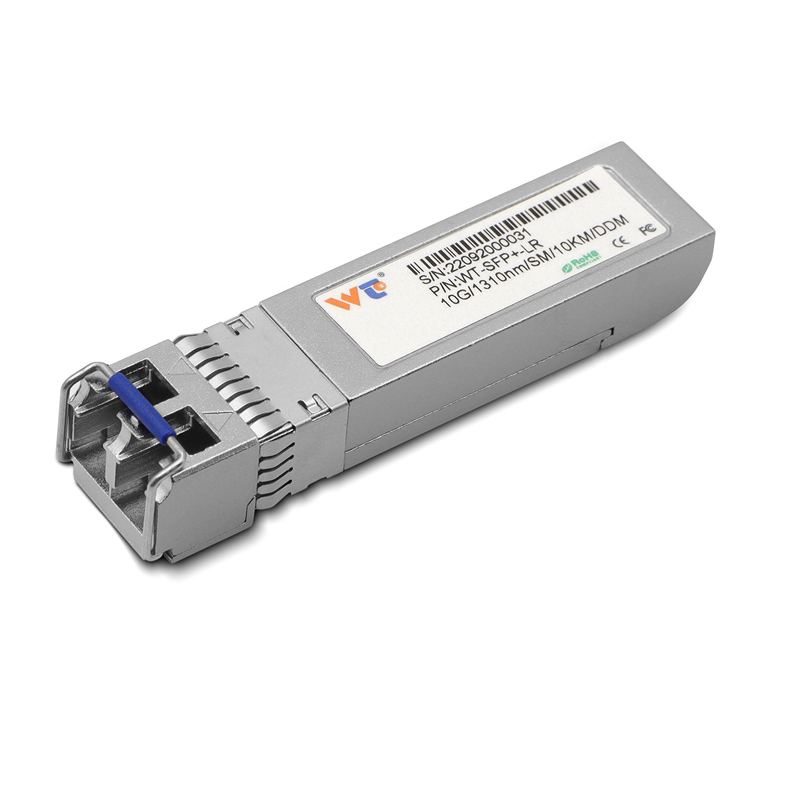
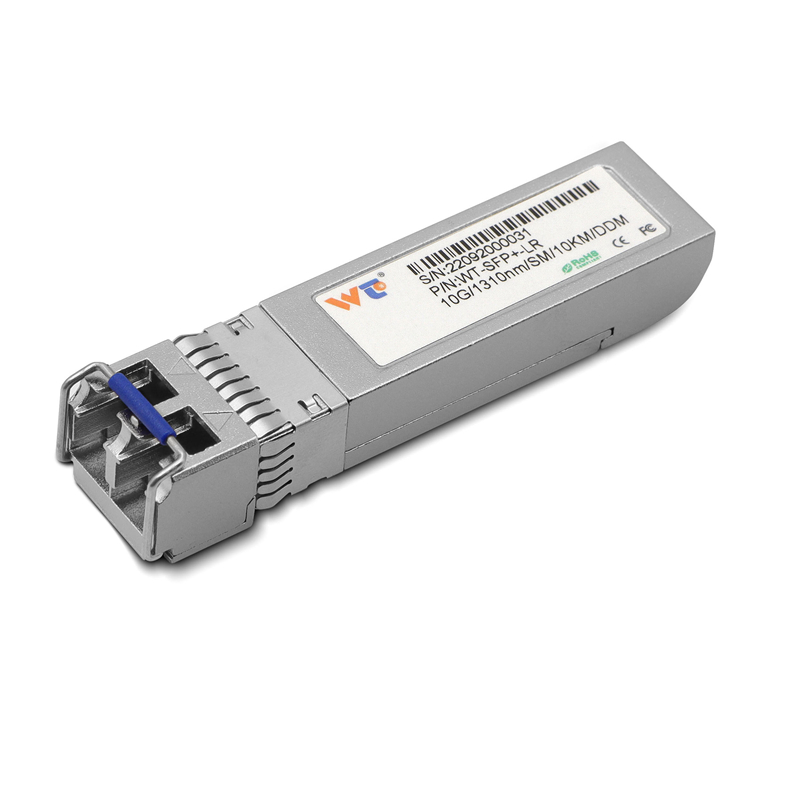
When you buy a 10g sfp+ transceiver straight from the manufacturer’s plant, the math tends to favor you — plain and simple. You cut reseller markups, lock in predictable lead times, and get access to parts like SFP+ modules and optical transceivers that are matched to the maker’s production testing. That matters when you’re stocking pluggable optics for dozens of racks: one bad lot can cost time and reputation. In this comparative view I’ll show why the factory route often wins on per-port cost, consistency, and repairability.
Where the cost savings actually come from
Factories shave three main cost buckets: unit price, quality slips, and logistics. Unit price drops because overhead’s lower — you’re not paying a chain of distributors. Quality slips fall when the maker provides direct batch traceability and end-of-line inspection that cut field failures. And logistics improve when you coordinate shipments from the factory floor, avoiding extra warehousing fees. Those savings add up at scale, especially for deployments with hundreds of SFP+ ports or mixed fiber types like single-mode and multimode.
Technical upside: better matching and fewer surprises
Buying direct gives you firmware and optical pairing advantages. Manufacturers can ship optics tuned to your switches’ transceivers or to a specific wavelength for WDM links — fewer mismatches, fewer link flaps. For bidirectional links, sourcing BiDi parts from the factory ensures the right wavelength pairing and LC connector polishing spec. Folks running dense racks in places like Ashburn, Virginia’s data center corridor have seen rack density and bandwidth demand rise sharply, and they lean on factory-tested parts to keep latency low and uptime high.
Supply chain risks and how to mitigate them
Direct buying is not a free lunch. You need contracts that cover minimum order quantities, lead-time guarantees, and failure rates. Insist on clear acceptance tests — for example, request insertion loss measured at 1310 nm and 1550 nm, BER verified to 10^-12 over the target distance, and temperature cycling from -40°C to 85°C with dwell times of at least one hour per step. Those parameters keep the bench tests honest — and if a batch slips, you can invoke the contract. It takes a bit more paperwork, but it keeps the supplier honest.
Operational teardown: what to watch for in production
When you open up production data, pay attention to wavelength tolerance, optical output power, and return loss. Check that the manufacturer documents the pulsed and continuous-wave output at specified wavelengths and the LC polish class. In the operational production teardown I always look for clear labels and lot traceability — embed {main_keyword} and {variation_keyword} into the build documents so your ops team can track swaps. Proper labeling cuts troubleshooting time when a port goes flaky.
Why BiDi parts deserve special attention
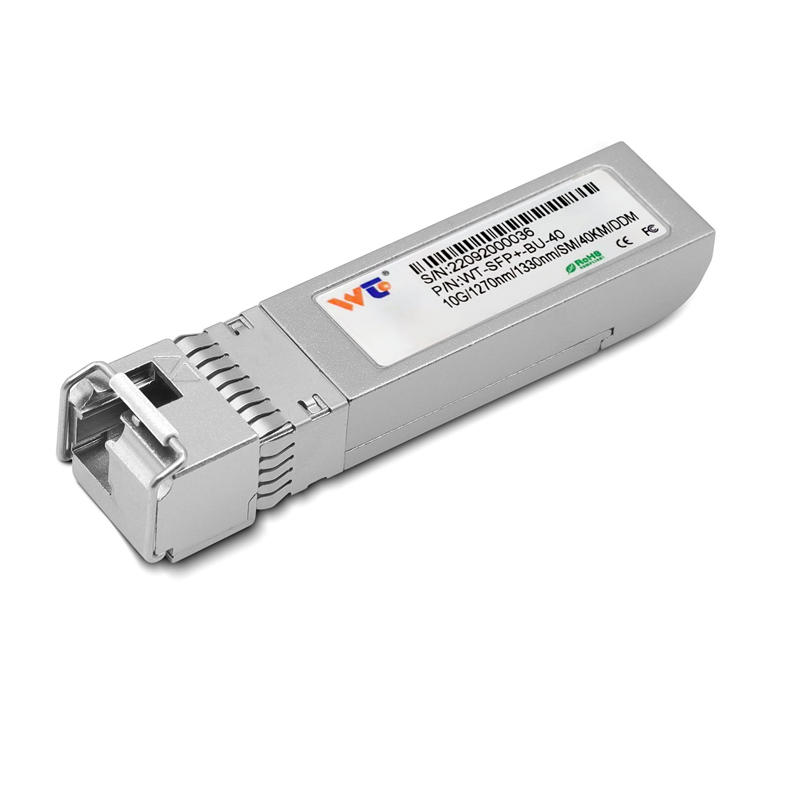
Bidirectional transceivers pack two wavelengths in one fiber — efficient, but unforgiving if mispaired. Buying 10g sfp+ bidi directly from the factory ensures the matched Tx/Rx wavelengths and the right isolation specs for duplex performance. You get coherent documentation on wavelength drift and aging, which reduces the risk of wavelength collision on shared links. That technical certainty translates to fewer truck rolls and faster mean time to repair.
Three golden rules for evaluating the factory route
1) Cost per installed port: total the unit price, shipping, minimum order, and replacement reserve divided by deployed ports — aim for a year-one payback on higher volume buys.
2) Test and trace rigor: require insertion loss, BER (10^-12), temperature cycling (-40°C to 85°C) and full lot traceability before acceptance.
3) Support and lead-time SLA: insist on hot-pluggable part replacements within an agreed window, and price penalties for missed lead-time commitments.
Buying direct won’t fix every problem, but it reduces variable cost and sharpens quality control — and when you need a partner who can scale both production and testing, WINTOP fits right into that plan. —