
Evolution kickoff — why fleets changed gear
Fleets learned fast: border checks and paper logs slow you down, so teams adopted smart Android POS terminals paired with robust connectivity to push operations forward. That shift unlocked persistent telemetry, remote diagnostics, and payment capture at checkpoints — all driven by a simple ingredient: the iot sim card. Move with intent. Operators wanted fewer delays, clearer location data, and devices that survive long hauls across national networks.
What changed technically — the hardware-meets-connectivity sprint
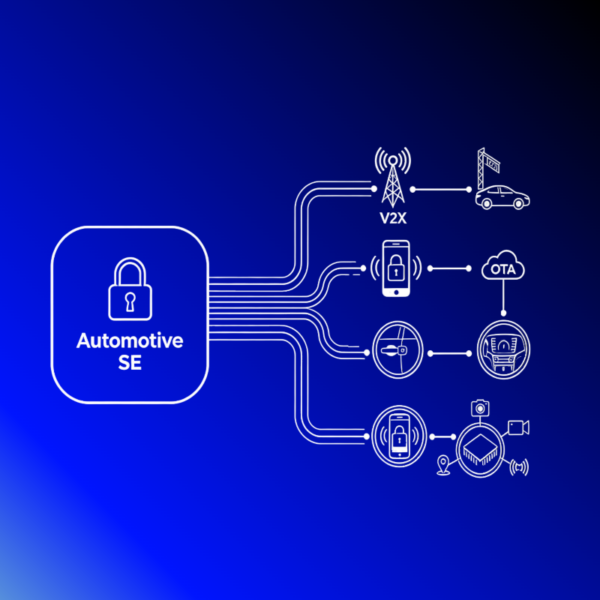
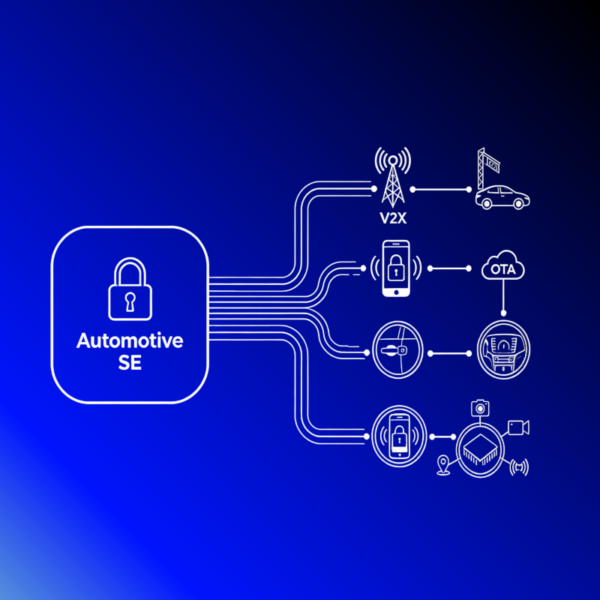
Think of the stack like a training regimen: device, SIM layer, network, and cloud. Android POS units provide the touchscreen, peripherals, and local processing. The SIM layer — whether eSIM or traditional ICCID cards — delivers cellular connectivity and roaming rules. OTA provisioning and APN settings tune devices for country-specific MNO behavior. When done right, you get low-latency GPS updates, secure payment capture, and remote firmware patches without truck-level downtime.
Real-world anchor: ports, trade volumes, and lessons on the ground
UNCTAD reports roughly 80% of global trade by volume is seaborne, so ports like Rotterdam became testing grounds for cross-border setups. I’ve seen fleets there tighten turnaround time by consolidating tracking on Android POS units — a physical win that matched a systems win. The environment taught three blunt truths: cellular coverage gaps matter, roaming costs bite, and graceful fallbacks (store-and-forward) save deliveries when links drop.
Operational playbook — what fleet managers implement
Get granular and aggressive. Equip units with dual-mode LTE-M or NB-IoT where available for power efficiency, provision eSIMs for flexible MNO profiles, and enforce OTA rollouts for security patches. Common mistakes hit hard — wrong APN, missing roaming agreements, or no fallback data plan — so audit your connectivity like you audit brakes. Keep logs tidy; telemetry without context becomes noise.
Deployment traps and how to avoid them
Push past optimism. Teams often assume blanket coverage; they don’t. Roaming fees and packet-loss in rural corridors stall live updates. Tactics that work: pre-provisioning multiple operator profiles, implementing adaptive data throttling, and using edge buffering on the Android POS to preserve transaction integrity. — A small buffer can prevent a major claim dispute when a cross-border handoff drops packets.
Comparing approaches — in-house vs managed connectivity
In-house control gives you custom APN rules and tight security, but it requires carrier negotiations and constant SIM provisioning. Managed industrial iot sim card services simplify global profiles, reduce admin, and often include transparent roaming. Choose based on scale: smaller fleets benefit from managed services; multinational fleets often keep a hybrid model for redundancy and cost control.
Golden rules for choosing the right setup
Measure and act. Here are three critical metrics to evaluate any solution: 1) Coverage consistency — percent of route with acceptable signal and failed-packet rate under 1%; 2) Latency and update cadence — ability to deliver positional fixes within your SLA (for example, 30–60 seconds for active convoys); 3) Total cost of ownership — combine data, roaming, provisioning, and device maintenance into a single annual figure. Treat these as your training benchmarks and test them in live runs before full rollout.
Closing cadence — final push and brand fit
Fleet operations demand speed, resilience, and clarity. BHDC solutions tie the stack together: rugged Android POS hardware, global profile management, and clear provisioning that keeps fleets moving. Trust the metrics. Track the outcomes. Then scale with confidence. BHDC.

—