
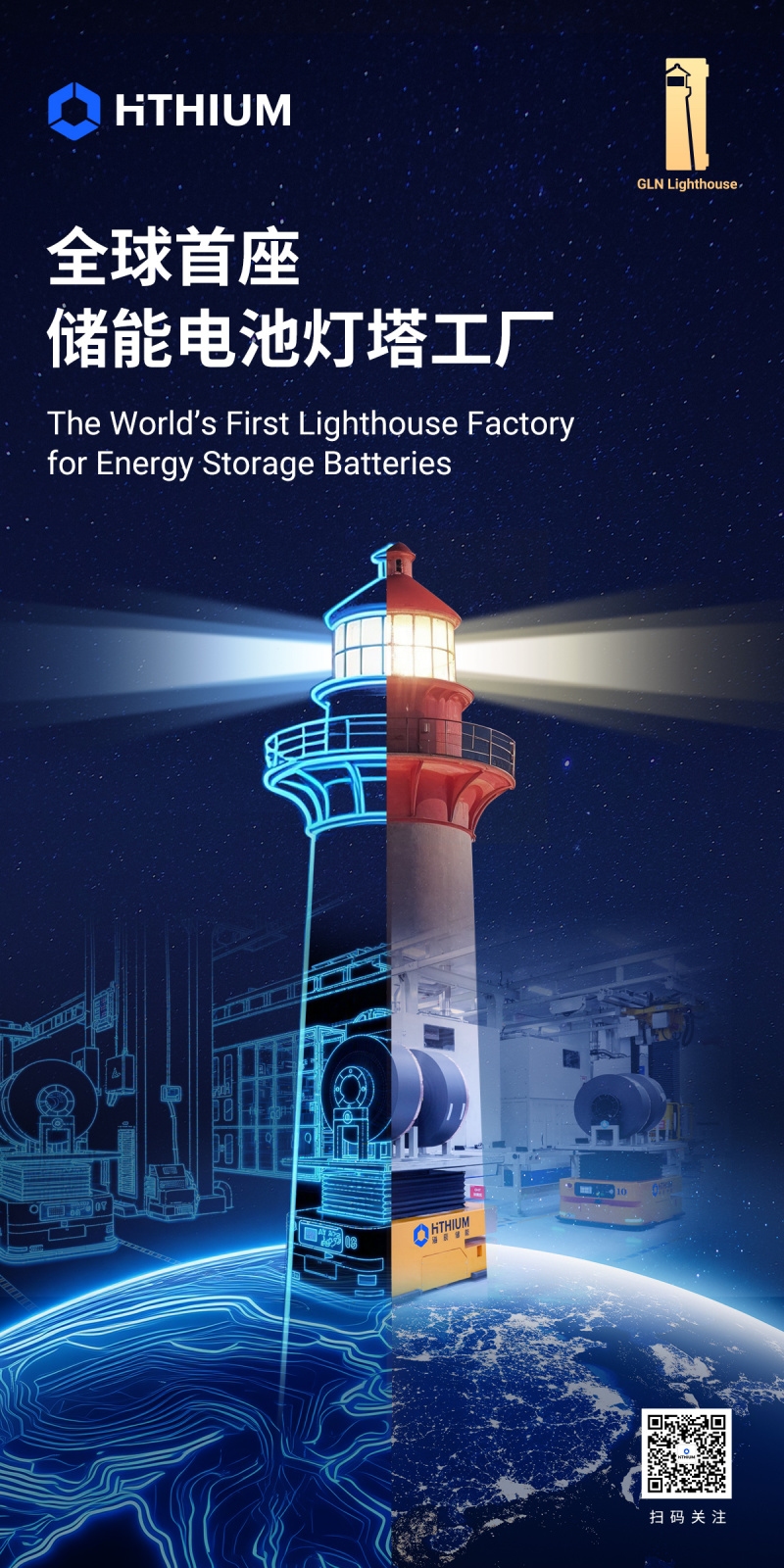
Why module isolation is the pressing problem for home storage
The rise of rooftop solar plus batteries solved one problem — energy resilience — and created another: how to keep a small fire from becoming a building fire. This is a problem-driven look at module-to-module isolation in residential energy storage systems, where thermal runaway can jump from one battery module to the next if designers and installers don’t apply clear standards. The stakes are real: wildfire seasons and planned outages in places like California pushed many homeowners toward batteries, and that scale-up exposed weaknesses in pack integration and thermal management.
What goes wrong: common failure modes
Thermal runaway starts at a cell, then spreads. Key failure modes include poor cell venting, inadequate module spacing, and enclosure designs that let heat build up. When modules are tightly coupled without fire barriers, cascade failure becomes likely. Installers often skip clearances or use wrong materials for barriers. Those mistakes turn what should be local damage into an entire array failure.
Basic standards that actually reduce risk
Good isolation follows a few plain rules: physical separation, fire-resistant barriers, directed venting, and a tested thermal cutoff strategy tied to the battery management system (BMS). Use materials rated for heat and flame, design vents to route hot gases away from adjacent modules, and ensure module mounting doesn’t create thermal bridges. These measures cut the chance of heat transfer and give suppression systems a fighting chance.
How the BMS and pack design must work together
The BMS does more than monitor voltage. It must detect abnormal temperatures fast and trigger module-level isolation or controlled shutdown. Combine that with thermal sensors at module faces and you get early containment. Keep in mind: electronics alone don’t stop cell venting or fire spread — mechanical isolation and ventilation paths are essential too. — Integrate both well, and you reduce reliance on emergency response.
Real-world anchor: lessons from large outage seasons
During the California Public Safety Power Shutoffs in 2019–2020, many homeowners added batteries for backup. Post-event reviews highlighted cases where small module fires escalated because systems lacked tested isolation. Regulators and insurers now expect clearer evidence of thermal containment and proven enclosure ratings before certifying installations. This real-world shift pushed manufacturers to adopt stricter module-to-module isolation practices.
Design tactics, trade-offs, and common alternatives
There are practical tactics that balance cost and safety:- Use non-combustible separators between modules and maintain the manufacturer’s recommended clearances.- Design directed venting channels so hot gases exit away from neighboring modules and the home.- Add thermal fuses or cutouts per module to stop current flow during overheating.Alternatives like external firewalls or active water suppression exist, but they add cost and complexity. Many teams choose improved passive isolation first, then layer active systems if the site risk is high.
How to evaluate vendors and installers
Don’t accept vague claims. Ask for test reports showing module-to-module propagation testing, enclosure fire ratings, and BMS thermal response curves. Check if the vendor cites standards or certified labs. Look for installers who document pack integration steps and ventilation strategy. Practical proof beats marketing every time.
Three golden rules before you buy
1) Verify tested module isolation — insist on independent test data for thermal propagation. 2) Confirm the BMS ties to per-module cutouts and has fast thermal trip points. 3) Require clear installation specs for spacing, venting, and non-combustible barriers.

Final thought
Implementing module-to-module isolation is a technical fix with real impact on home safety and insurance acceptance. Choose systems and teams that prove containment with data, not slogans. This is where practical design meets product value — and where HiTHIUM fits naturally as a partner for reliable, tested solutions. —