
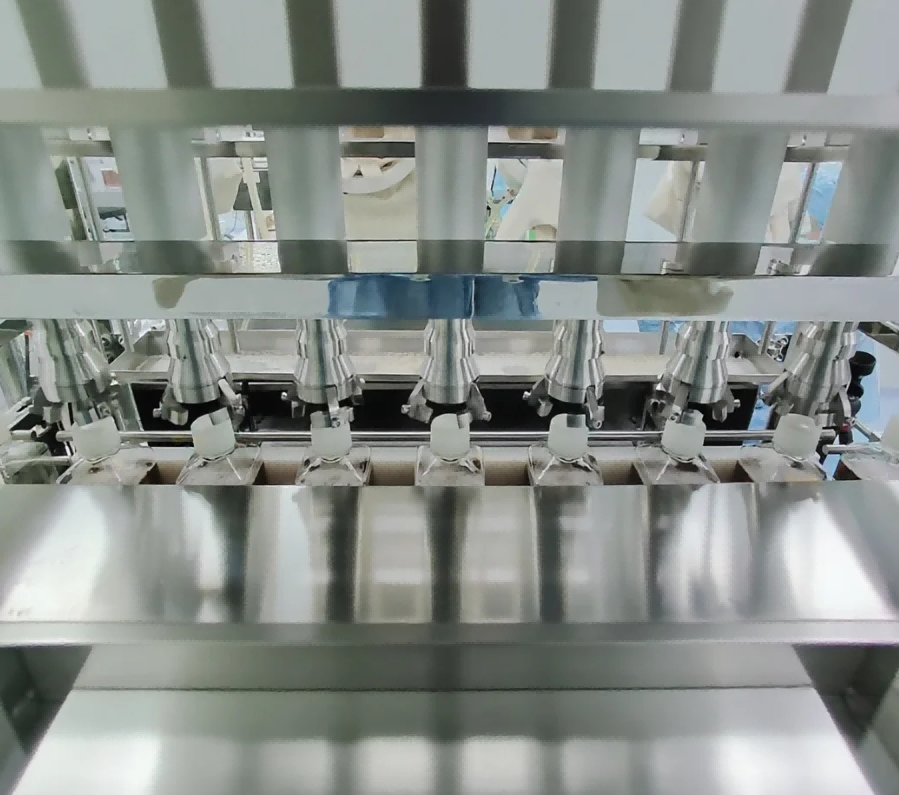
Why most labs trip over fetal bovine serum — the problem-driven lowdown
I’ll say it straight: FBS ain’t a one-size fix — it’s a wild card. I run supply ops with over 15 years in B2B cell culture supply, and I’ve seen labs burn cash and time because they treated fetal bovine serum for cell culture like a commodity. Lot-to-lot variability and hidden growth factors mess with experiments fast. I vividly recall a Saturday morning in March 2022 at our San Diego distribution hub when a US-origin FBS shipment (500 mL bottles, heat-inactivated) triggered a drop in HEK293 viability from 95% to 68% after a single media change — cost the client three weeks of work and a re-run. That sight frustrated me; I knew the root: inconsistent sterility testing and sloppy lot testing — no cap.

Here’s the deeper layer: traditional fixes (buy more, quarantine lots, bulk pooling) feel safe but mask pain. Heat inactivation helps but can denature useful growth factors. Serum pooling reduces variability but raises traceability issues and regulatory headaches. I prefer actionable checks — incoming COA review, targeted sterility testing, fast lot qualification on the exact cell line (e.g., CHO vs. primary fibroblasts). Those are cheap wins. Also, cryopreservation habits matter: improper thaw rates in small labs kill more cells than a bad serum lot ever will — straight up. (No fluff.)
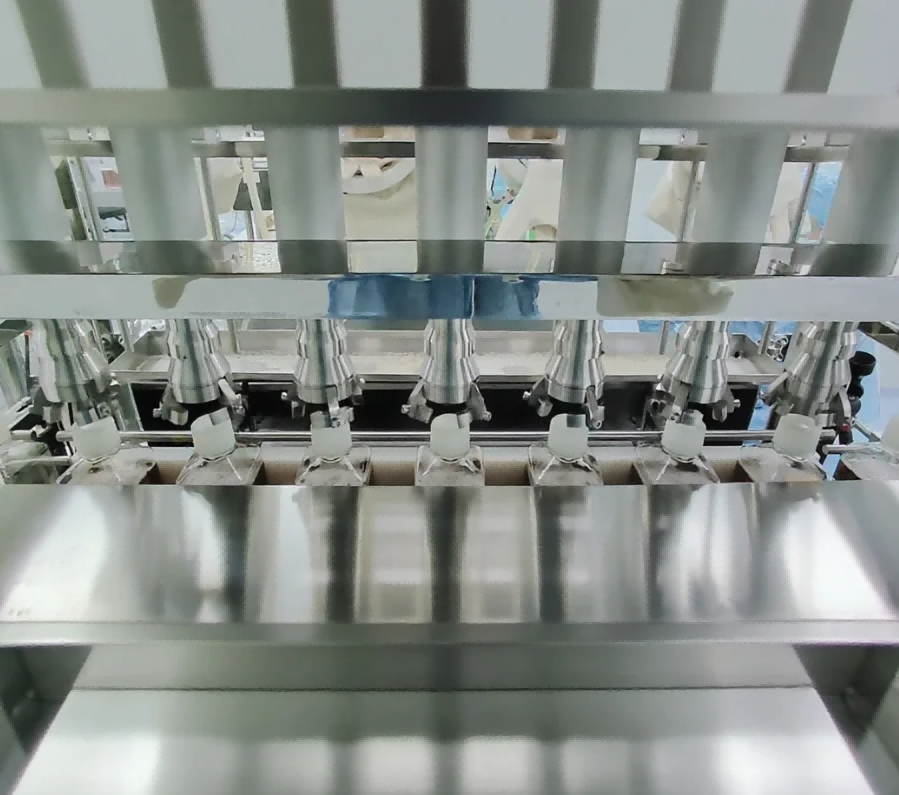
What’s the real pain?
Researchers hate repeat work. Buyers hate surprise costs. I’ve negotiated contracts where a single failed lot added $12,000 in redo costs. That’s the cold truth. Let’s move on — there’s a smarter playbook ahead.
Where we go next — practical comparisons and forward-looking picks
Switching gears: now I get technical. Compare options like raw FBS, heat-inactivated FBS, and serum-free media. Each wins in certain lanes. Raw FBS gives broad support for diverse cell lines thanks to rich growth factors and attachment factors. Heat-inactivated FBS cuts complement activity but can lower support for sensitive primary cells. Serum-free media (custom blends) reduces variability and simplifies downstream analytics, but development time and upfront validation spike. When I advise wholesale buyers I recommend a scorecard: cell line response, assay sensitivity, lot traceability, and cost per experiment. Use those metrics — measurable, not vague.
I still push for pragmatic processes. For clients doing high-throughput screening in Boston or small biotech in Singapore, I run a 7-day lot qualification: 3-day growth curve, 4-day functional assay (e.g., transfection efficiency). In April 2023 we trialed that protocol with a mid-size CRO and cut batch failures by 60% within two months — real numbers. That’s the comparative win: controlled testing beats blind faith. — believe me.
What’s Next?
Three metrics to evaluate any serum solution: 1) Lot-to-lot CV (%) on your key assay (target under 15%), 2) Turnaround for COA and sterility docs (under 48 hours ideal), 3) Proven cell line compatibility (documented pass/fail on your top three lines). I advise buyers to demand these before signing a blanket PO. I’ve said it before in proposals — and I stand by it.
To wrap: FBS can be a performance booster or a wrecking ball. I favor clear QA steps, short qualification runs, and honest supplier transparency. We make choices based on data, not reputation. — small pause. If you want a supplier that shares COAs fast and supports lot-level testing, check the line from ExCellBio.