
Introduction — Scenario, Data, Question
Have you ever watched a factory floor hum along and wondered which upgrades actually pay back? Electrical Motor Products are the backbone of that hum, moving goods, driving fans, and keeping systems alive—yet most managers still guess at the value of upgrades. Recent surveys show that over 40% of companies track only energy savings after retrofits, ignoring maintenance downtime and control precision (and that adds up fast). So: how do we measure the real return on investment when we tinker with motors, controllers, and drives?
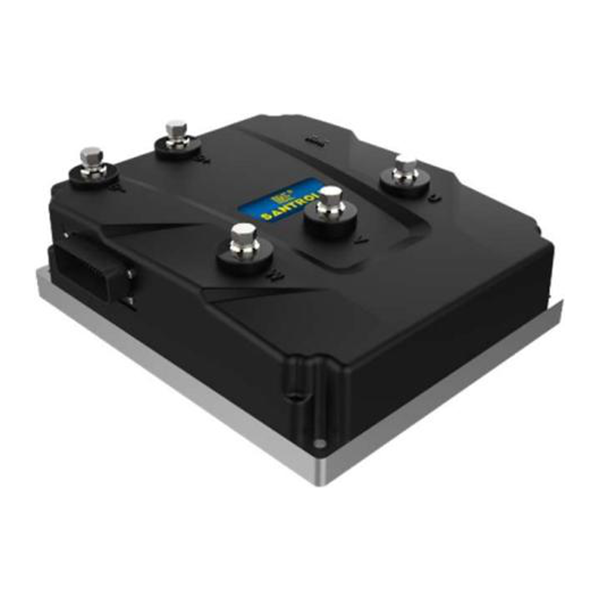
I write this from hands-on experience: I’ve seen a $20,000 controller swap that cut monthly downtime in half, and I’ve watched a “silver-bullet” VFD rollout that performed worse than the old hardware—funny how that works, right? We’ll look beyond simple kilowatt-hours and dig into metrics that reflect reliability, control fidelity, and lifecycle cost. Along the way I’ll use plain language and a few industry terms—like power converters and variable frequency drive (VFD)—to keep things practical and clear. Ready to peel back the numbers and ask better questions? Let’s move into the real problems behind common solutions.
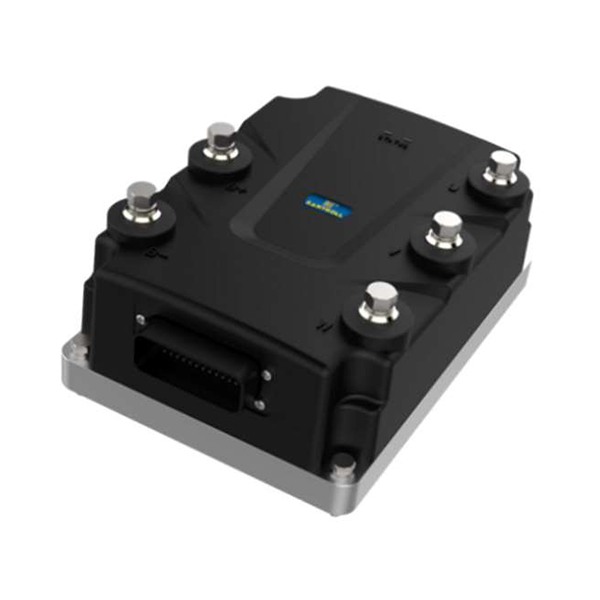
Part 2 — Hidden Flaws in motor control products
What’s really failing in the field?
I’ll be direct: many motor control products promise precision but deliver only a partial fix. On paper, a modern inverter with field-oriented control (FOC) should reduce torque ripple and improve speed regulation. In real sites, though, the trouble shows up as intermittent stalls, overheating, and unexplained alarms—problems that trace back to mismatched control algorithms, poor sensor integration, or simplistic thermal models. Look, it’s simpler than you think: if the controller isn’t tuned to the motor’s actual load profile, energy numbers lie and downtime climbs.
From my perspective, a few hidden pain points repeat across installations. First, inadequate sensor feedback—many builds still rely on marginal encoders or none at all—so PWM timing and sensorless control assumptions break under heavy transient loads. Second, serviceability: if firmware updates require factory intervention, you get stuck waiting for technicians. Third, supply-chain substitutions—different power converters or capacitors—can shift harmonic behavior and cause early failures. These flaws are subtle but measurable: increased vibration, higher inrush currents, and reduced mean time between failures. If you’re assessing a retrofit, demand real-world test data, not just vendor lab curves—because field conditions are messier than spec sheets suggest.
Part 3 — New Principles for ac motor and controller Innovation
What’s Next?
Looking forward, I favor principles that combine smarter control with pragmatic hardware choices. For ac motor and controller upgrades, the shift is toward adaptive control loops that learn nominal load patterns (small memory, light compute—think edge computing nodes doing local analytics) and adjust PWM profiles in real time. That reduces torque ripple and spreads thermal stress, which in turn extends bearing life. I’m cautiously optimistic: these ideas work, but they require disciplined commissioning and ongoing validation—no shortcuts.
Practically, I recommend three evaluation metrics when you compare solutions: lifecycle cost per operating hour (not just upfront cost), measured downtime reduction over a realistic test window, and control fidelity quantified by torque ripple and speed variance under load. Test each product against your real load profile, insist on clear firmware update paths, and verify that the proposed power electronics handle harmonic mitigation. Do this and you’ll see the difference in both service calls and payroll—small wins that compound over years. In closing, I trust engineering that earns its keep in the field. If you want tools and parts that match that standard, check the offerings at Santroll.