
An Open Road Begins in Your Head
Great rides start before the engine turns. Your cruiser motorcycle will shape how you sit, how you lean, and how you trust the road. Picture a cool morning, the highway empty, the tank topped off—your mind quiet. Then the facts nudge in: curb weights can swing from 430 to 800 pounds, wheelbase can stretch past 67 inches, and the torque curve can change how early the bike wakes up in each gear. Add rake and trail to the mix and the steering feel moves from lazy to steady in a snap. That is not trivia; it’s the feel in your hands.
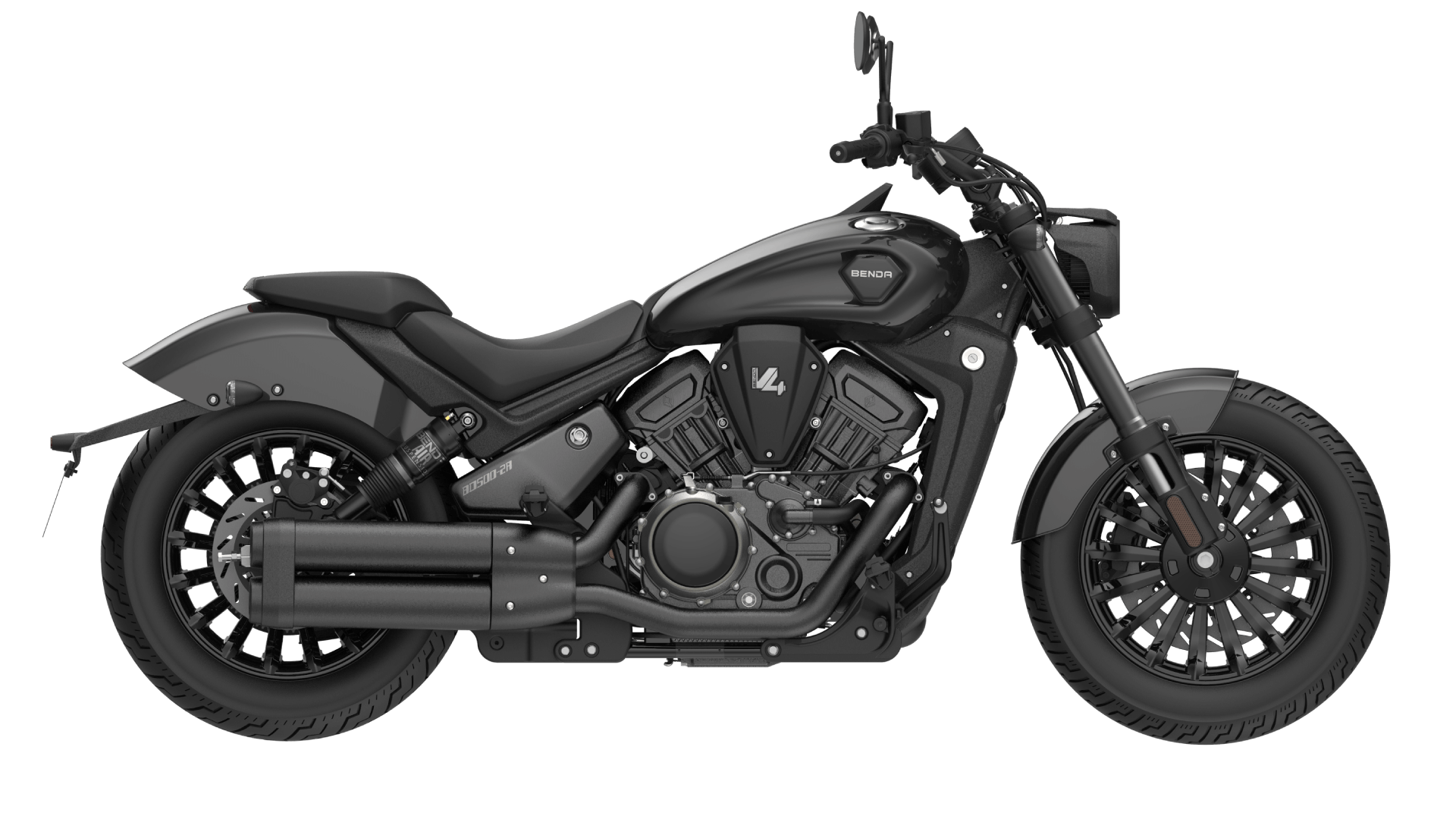
Many riders choose by paint and pipes, or the sound at idle. It’s easy to do. But stability at speed, the character of the final drive, and how the ABS modulators pulse under a hard stop all shape trust. Numbers matter, yet a simple parking-lot U-turn can say more than a spec sheet. The question is simple: are you comparing the right things—or the loud things? Let’s shift gear ratios from hype to substance and see how to read the road beneath the gloss. Next up, the real pain points riders don’t mention out loud.
Hidden Friction: Why Good Cruisers Still Feel Off
What are we not feeling yet?
We talk about style, but we live with ergonomics. The gap is real. Many riders scan lists of top cruiser motorcycles and still end up sore, tense, or unsure in a corner. Bars too wide change leverage. A long reach to mid-controls dulls low-speed control. Seat foam packs down, and now your hips fight the wind. Technical fit issues hide under looks: suspension preload set for a heavier rider, ECU mapping tuned for emissions over feel, a wet clutch that bites late, or throttle-by-wire that ramps too fast. Look, it’s simpler than you think. Fit and response patterns define comfort more than chrome.

There’s more. Many stock setups leave rake and trail conservative for stability, yet the heavy front wheel can chatter on rough city streets—funny how that works, right? Short shocks bottom, sending sharp hits to your lower back. Gearing can make first gear too tall; parking-lot maneuvers feel twitchy instead of calm. Even the CAN bus load from add-on lights can introduce weird glitches if wiring is sloppy. These are not dealbreakers. They’re the common blind spots. Solve for body position, early torque delivery, and brake feel first, and most “this bike isn’t me” moments fade fast. On paper, many cruisers look equal. On pavement, tiny setup changes tell the truth.
Forward Lean: New Tech That Changes the Ride
What’s Next
Modern cruisers are not stuck in the past. The best updates hide in systems you don’t see. Ride-by-wire now shapes power with clean inputs, and selectable ECU mapping smooths throttle from city to sweepers. IMU-driven ABS can watch lean angle and ease pressure at the exact moment you need it, not a beat late. Electronic suspension preload adjusts for a pillion and luggage within seconds—no tools, no guesswork. Even slip-assist or a slipper clutch can soften downshifts so your rear tire stays calm. Compare that to older hardware and you’ll feel less fatigue in an hour— and yes, that matters.
Here’s the principle: when electronics support core geometry, the bike feels “lighter” without losing the long, planted wheelbase you bought it for. Counterbalancers keep big twins smooth at cruise, so mirrors stay clear. A refined torque curve gives clean roll-on from 2,500 rpm, which means you pass without drama. If you plan to buy cruiser motorcycle this season, test bikes that pair updated ABS modulators with longer travel shocks. Then compare. You’ll notice better brake feel and fewer harsh kicks. Past was loud and tough; future is quiet confidence. That confidence is what you ride home.
Three evaluation metrics, clear and simple. 1) Fit and control: neutral reach to bars and controls, and steady low-speed balance. 2) Response and stability: predictable throttle-by-wire, composed braking, and suspension that resists bottoming. 3) Endurance signals: seat support after one hour, heat management near your legs, and vibration levels at cruise. Measure these, and “style vs. substance” becomes a fair fight. You’ll pick the machine that stays kind at mile 200, not just mile 2. Knowledge shared. Choices sharpened. See what aligns with your road, your frame, and your ride rhythm at BENDA.