
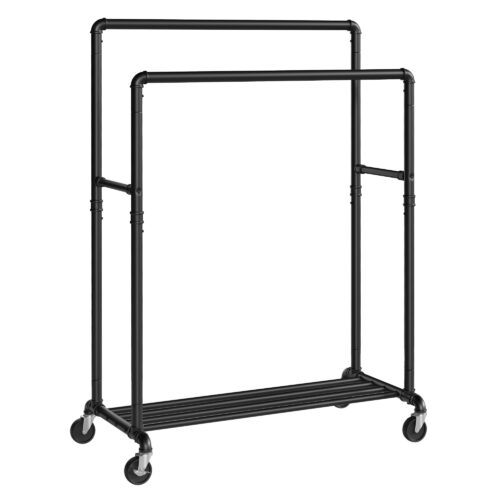
Introduction: Aisle Rush Meets Backroom Calm
I’ve watched a store open on a big sale day, carts rolling, folks piling in, staff hustling like a June bug on a string. A clothes rack manufacturer can make that day smooth or sour. One season, we clocked a double-digit dip in lost time just by swapping out bad racks; bent rails and wobbly frames were the culprits, plain as day. Now, that might not sound fancy, but it hits the till. If your hangers snag or a caster locks up, customers feel it in seconds—funny how that works, right? So here’s my ask: do your racks match the way your floor really moves?
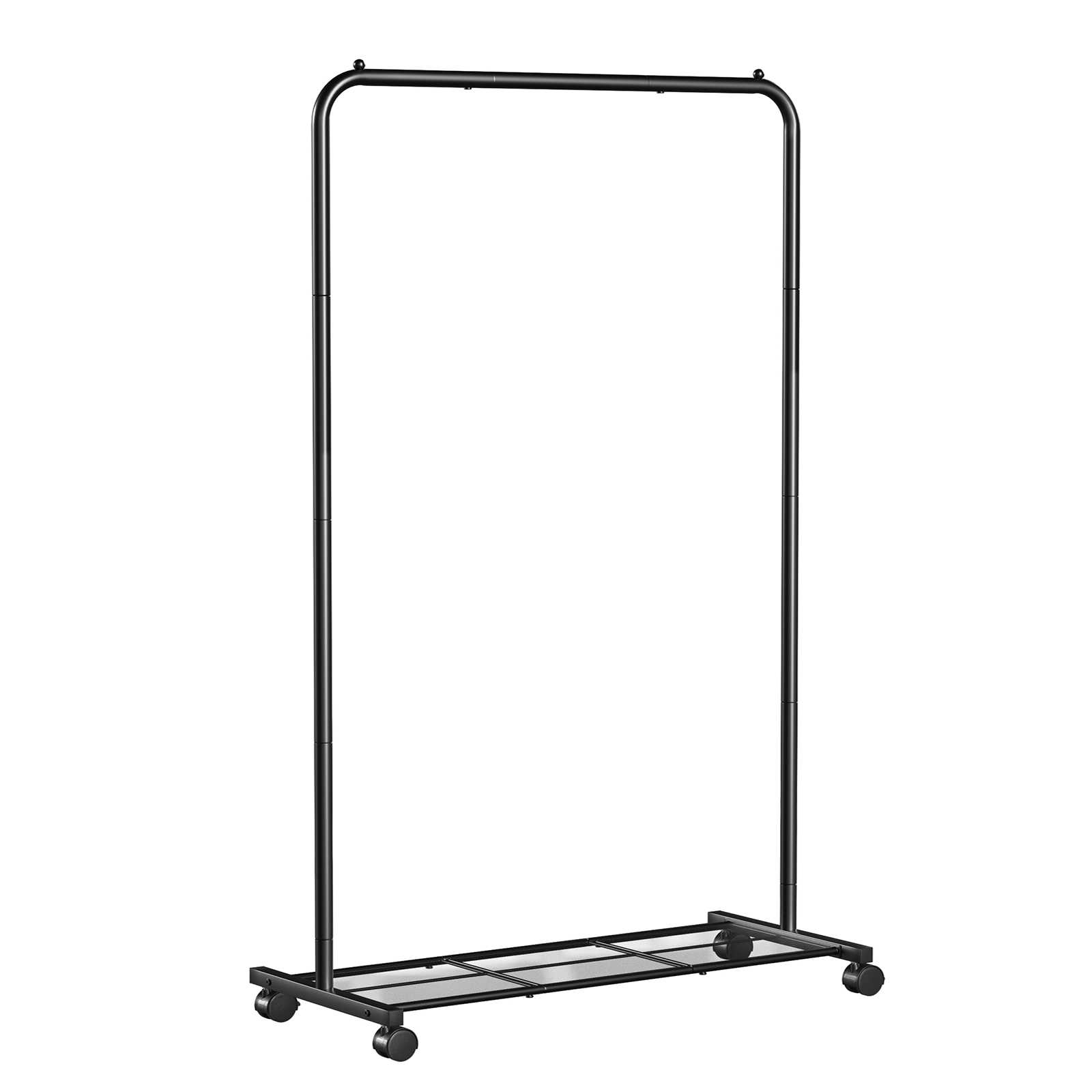
Out here, we like gear that’s stout, not just shiny. You need frames that hold their load-bearing capacity, welds that don’t crack under torque, and a powder-coated finish that won’t flake after a week of restocking. But I reckon most folks don’t test for the grind—only the look. The data keeps saying the same thing: downtime and returns creep up when hardware lags behind the workflow. Are you buying by the picture or by the proof? Let’s lay out the parts and see what truly separates good from good-enough—then we’ll get into the thick of it.
What Most People Miss About Wholesale Racks
When buyers shop wholesale garment racks, the brochure talks height, width, and price. That’s surface talk. The deeper layer lives in spec discipline: cold-rolled steel versus soft tube, static load versus dynamic load, and whether the cross-brace geometry resists sway when the floor gets busy. Look, it’s simpler than you think. Ask for the torque spec on fasteners, the caster bearing rating, and the ASTM or EN test method used. If a rack passes a 200-pound static test but fails when staff pivot it ten times with payload, you’ve learned the truth the hard way. Paint can hide poor weld penetration; only a clear QC sampling plan keeps bad joins from slipping through. And those micro-flats on cheap casters? They drum noise and chew floors.
Are bulk racks built to last?
Traditional “pipe-and-board” frames look rugged, but their weak point is usually the joint—threaded inserts loosening under torsion. A better path is triangulated bracing, thicker gauge uprights, and a powder coating with a decent salt-spray rating. That keeps corrosion at bay and protects the weld toe. Mind the hardware: M8 fasteners with proper thread engagement beat skinny screws every time. Also check SKU density. If the rail diameter is off, hangers crowd and scrape, and planograms go sideways. The hidden cost isn’t just a broken wheel; it’s the minutes lost re-leveling a rack, the shirt that slips off a slick rail, and the staff fatigue from pushing high-friction casters. You fix that with real specs, not fancy photos—y’all know the difference when you feel it.
Comparative Outlook: New Builds vs. Old Standbys
Let’s look ahead and keep it grounded. A regional chain we tracked switched from old welded frames to modular units with bolted gussets and sealed casters—same footprint, different bones. They cut floor resets by a chunk because dynamic roll was smoother and rails kept alignment after backroom runs. That’s the power of comparing designs, not just prices. Now add a simple future lens: componentized rails you can swap without scrapping the frame, casters with replaceable bearings, and finishes that match fixture color standards across seasons. When they bought clothing display racks wholesale, they treated the rack like a system, not a single part—funny how that pays back quick.
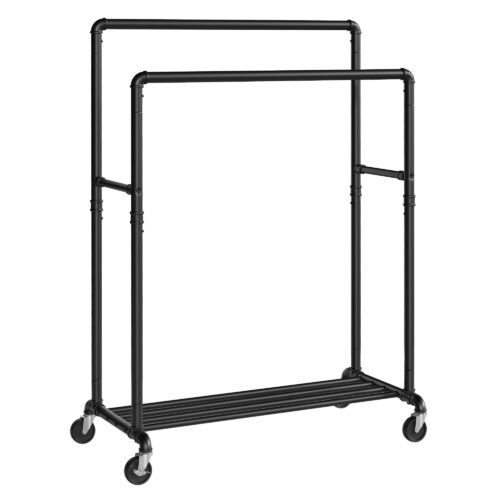
What’s Next
We’ll see more racks tuned for movement, not just standing still—think better brace angles, smarter locking mechanisms, and coatings that shrug off cleaner chemicals. The lesson so far: capacity isn’t only the number on paper; it’s how the frame behaves when staff zig, not just when they zag. If you’re weighing options, compare resilience, not just weight. First, verify static and dynamic load tests match your peak hours, not a quiet morning. Second, probe the finish: powder-coat thickness, salt-spray cycles, and scratch resistance should be documented. Third, check lifecycle cost per rack: replacement casters, spare rails, and service time in your ERP—not some back-of-napkin guess. Hold to those three, and your racks run steady while styles change around them. For steady partners who share specs straight and plain, folks often turn to SONGMICS HOME B2B.