
Introduction
You walk into a meeting, coffee in one hand, deck in the other, and the screen is still stuck on someone’s desktop from last week. A paperless conference system promises none of that mess and no stacks of printed agendas. Yet, the clock keeps ticking while someone hunts for the right input. Studies show teams burn 8–12 minutes per meeting on setup alone, and that compounds across a week like a gnarly wave. Are we missing the real blockers—like signal flow, control UX, and room behavior—or are we just swapping paper for pixels? (Be honest.)
Let’s peel back the layers and see what actually fixes the room, not just the vibe. Onward to the nitty-gritty.
Where Traditional Fixes Crack Compared to Modern Stacks
Why do small glitches snowball?
Most teams think cables and dongles are the issue. That’s only the surface. The deeper pain in conference room av solutions is the scatter: separate control apps, a patchwork DSP pipeline, and firmware that ages out quietly. When one part drifts—say, echo cancellation on the codec—the whole flow stutters. Signal latency stacks up fast. Edge computing nodes try to help, but if they’re not orchestrated, they just add more moving parts—funny how that works, right? Add in flaky power converters, and you’ve got ghost reboots mid-call. Look, it’s simpler than you think: the room needs a single state model, not a pile of devices pretending to be a system.
Hidden user pain points keep popping up. Touch panels with ten steps to share content. No feedback loop when a mic channel clips. Beamforming arrays that never got tuned for the glass wall. And when Wi‑Fi congestion spikes, the screen share tanks, but the UI blames the user. Meanwhile, IT is juggling PoE budgets and patching DSP plugins on a Tuesday. Traditional “fixes” swap hardware but ignore the lifecycle: provisioning, telemetry, and policy. Without unified monitoring and a resilient control plane, you’re chasing symptoms. That’s the trap.
Comparative Insight: New Principles That Change the Room
What’s Next
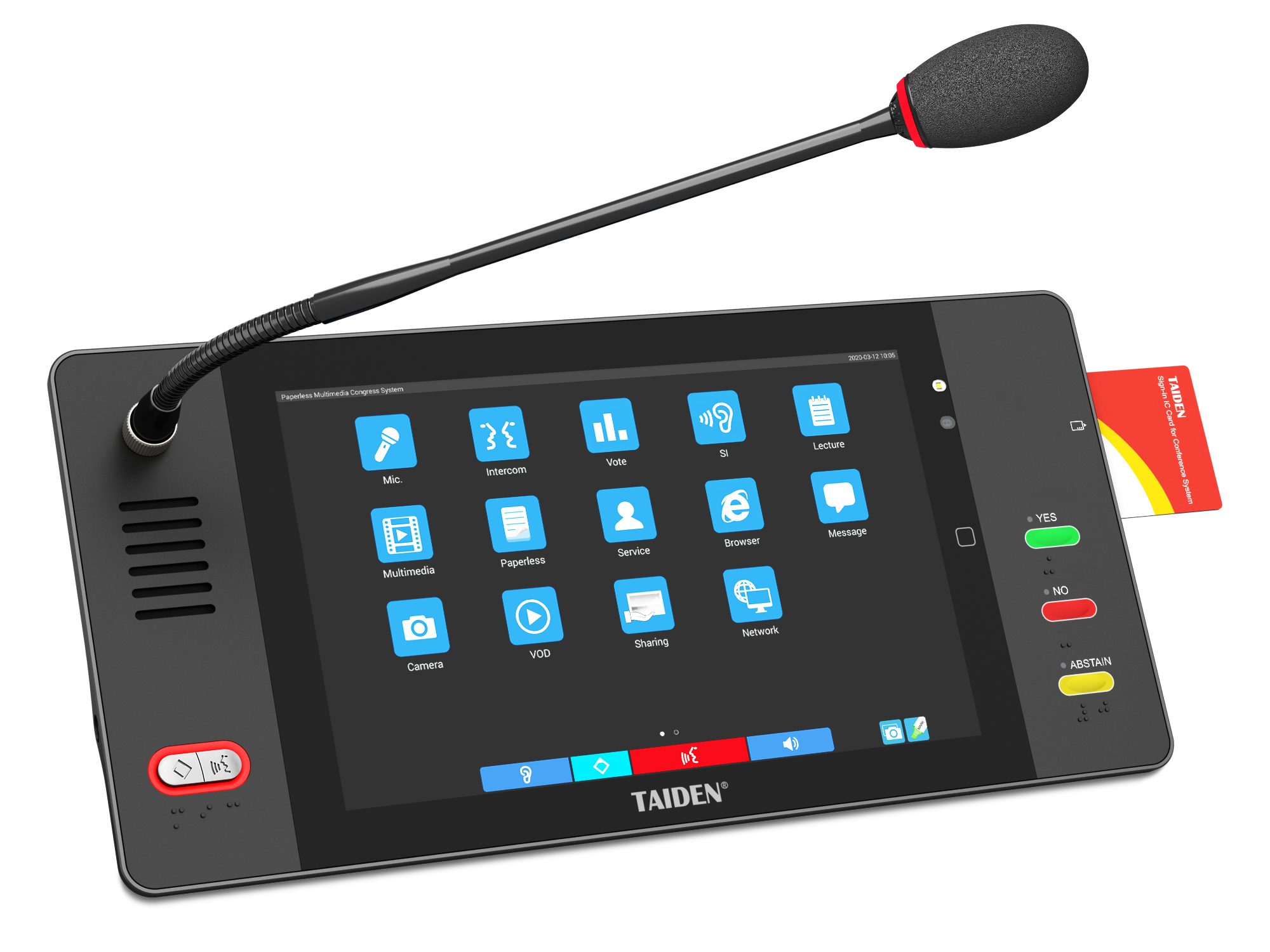
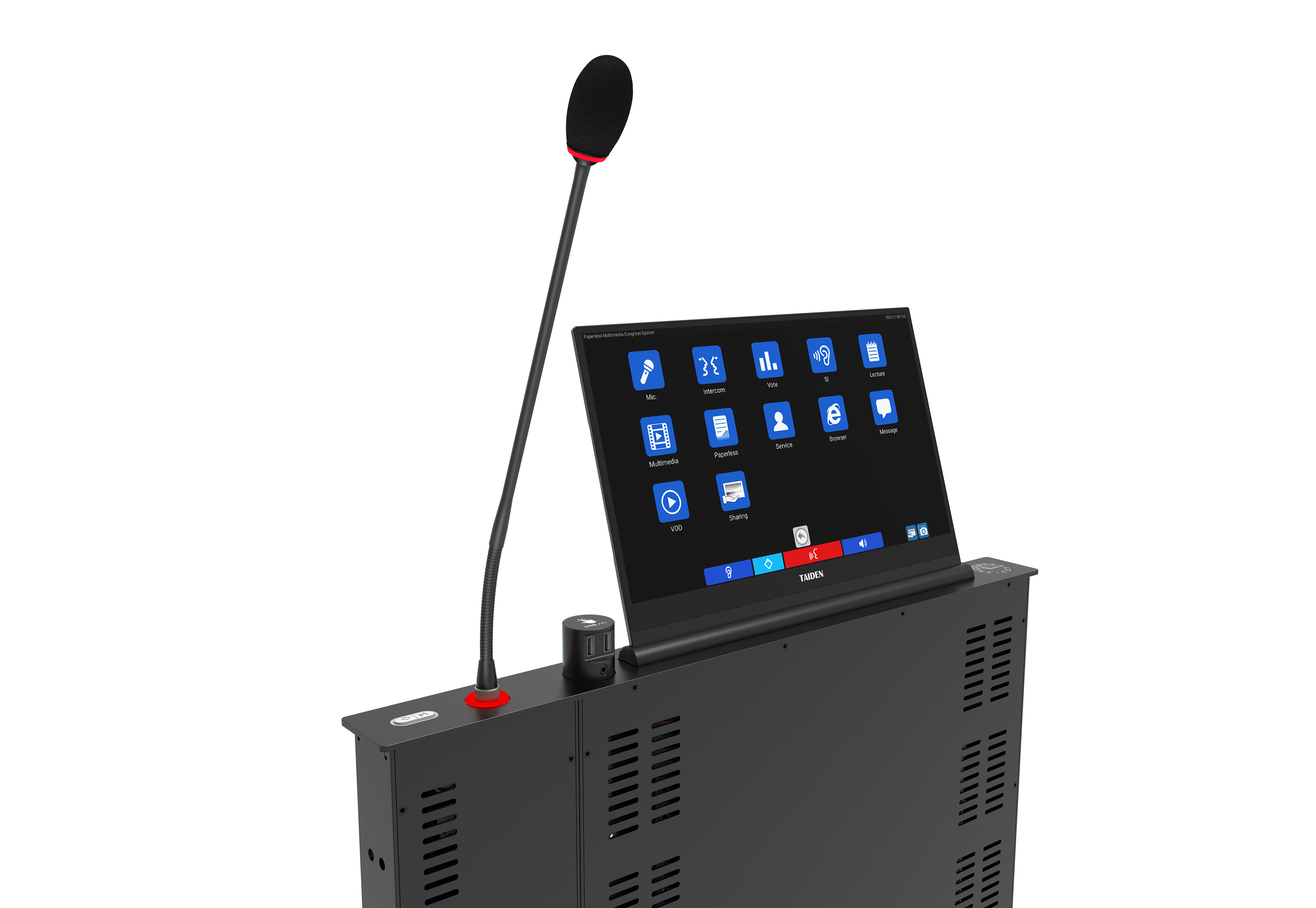
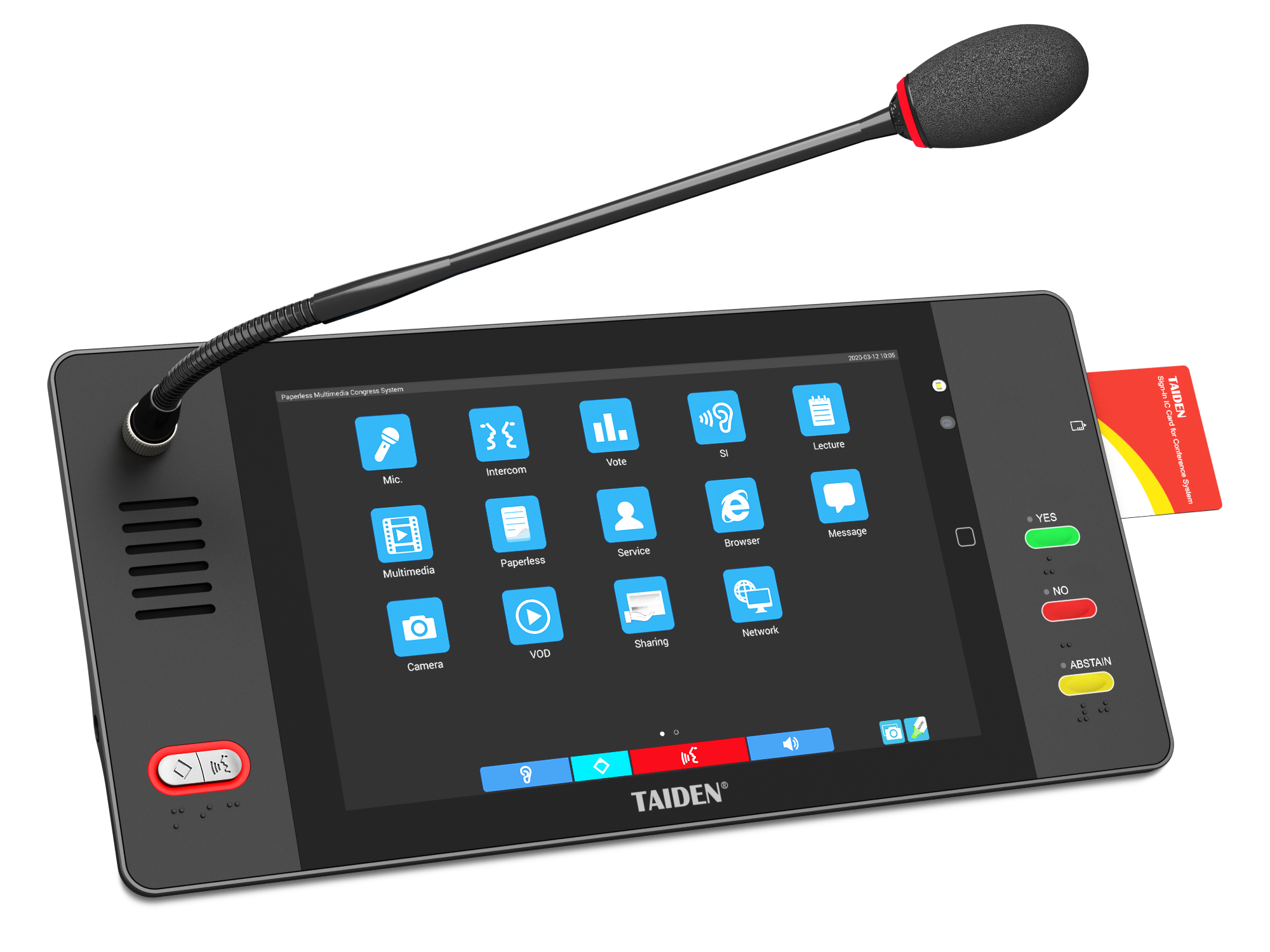
Modern rooms win by design, not by luck. Compare old stacks with manual switching to systems that self-check audio paths, negotiate bandwidth, and expose clear metrics. The principle is simple: converge signal, control, and analytics. A microphone with screen becomes more than a mic; it’s a node for status, agenda, and voting, all on the table. Tie that to real-time DSP profiling and you get adaptive gain, stable echo control, and clean turn-taking. Then wrap it with an API, so IT can push room presets, not firmware roulette. Redundant topology, QoS tags, and policy-based routing mean screen shares don’t fight with video—ever. And when something fails, the system tells you which module slipped, not “try again.”
The outlook is practical, not hype. Rooms need auto-provisioning, health telemetry, and edge rules that survive a network hiccup. Short cable runs. Clear power domains. Predictable latency across HDMI paths and SIP bridges. Bonus when the UI maps to how people meet, not how gear stacks—because context rules. Here’s how to choose well, with numbers, not vibes: First, measure end-to-end round‑trip audio latency under load; sub‑150 ms keeps talk natural. Second, track mean time to recover from a fault; under 30 seconds shows resilience in the control plane. Third, verify device observability; per‑channel logs and alerts beat generic “offline” flags—every time. Nail those three, and your paperless workflow stops being a promise and becomes muscle memory—no drama.
Steady gains come from systems that blend human flow with solid engineering. When the room behaves, people focus, notes stay digital, and decisions land faster. That’s the move. TAIDEN