fintechstuffs
  • Home
  • Beauty
  • Business
  • Featured
  • Global Trade
  • Industry
  • Market
  • Tech
Business

When Static Strikes: Troubleshooting Release-Liner Jams and Die-Cut Handle Bag Delays on the Packing Line

by Mark March 30, 2026
written by Mark

The problem, in plain sight

Nothing grinds a fulfillment shift to a halt faster than film that won’t release — die-cut handle bags that tear, liners that cling, and static that turns a smooth run into constant stoppages. For teams packing thousands of parcels a day, the symptoms are painfully familiar: increased rejects, slower cycle times, and frustrated operators. If you use custom poly mailers or similar films, the issue can hide in the liner, the adhesive, or the electrostatic charge between layers. The 2020 e‑commerce surge and subsequent supply-chain strains made these failures far more visible across warehouses worldwide — a useful reminder that operational design matters as much as materials.
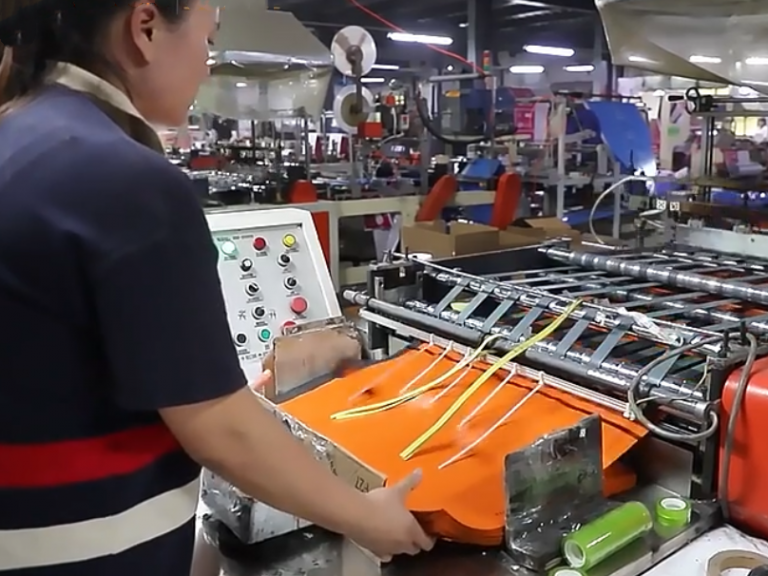
custom poly mailers

Diagnosing root causes

Start simple and work toward nuance. Key culprits are static electricity, improper release force, wrong adhesive formulation, film curl from temperature swings, and die-cut tolerance issues. Check these quickly:

  • Static electricity: films can accumulate charge during unwind and feed, making liners cling or snap back.
  • Release force mismatch: liner coating vs. adhesive strength — if the peel force is off, the liner won’t separate cleanly.
  • Die-cut and slit precision: uneven edges or burrs on die-cut handles cause catching and tearing on guides.
  • Environmental effects: humidity and temperature shift film stiffness and adhesive tack.

Practical fixes on the packing line

Implementing the right countermeasures can often restore throughput within a shift. Begin with grounding and ionization to neutralize static at the unwind and near the die stations. Add controlled humidity where static persists — even modest increases reduce electrostatic buildup. Re-tension the unwind and feed paths so the liner stays aligned during die-cutting. If adhesive pickup is the problem, test a slightly lower-tack adhesive or a different liner release coating. And always run first-article trials on the actual filling and sealing equipment rather than a test rig—those differences matter.
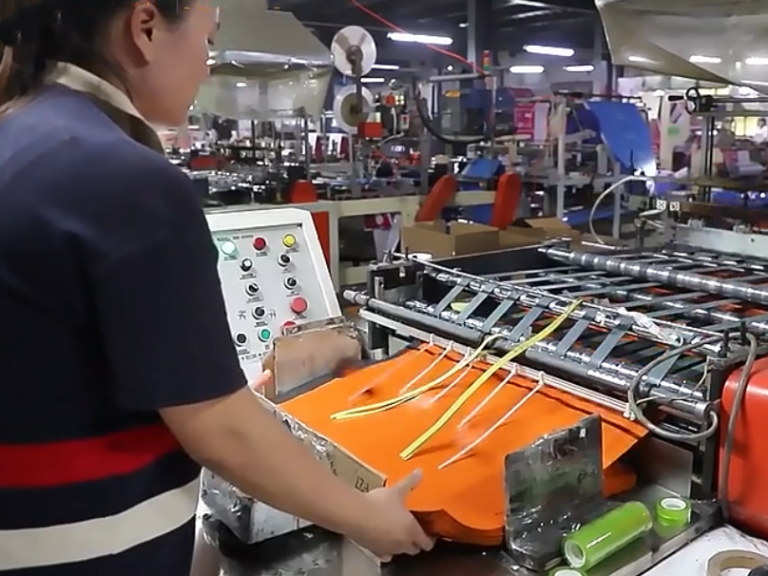
custom poly mailers

Material and supplier decisions that matter

Sometimes the fix is upstream — a different film formulation, a stabilized liner coating, or a tighter die tolerance from your converter. When frequent jams persist despite machine tweaks, consider switching films or working with converters who document release force ranges and supply batch traceability. If sourcing at scale is part of your plan, looking into poly mailers wholesale options with clear technical data sheets will save time. Don’t accept vague specs; ask for peel curves, T‑peel tests, and representative samples under your line conditions.

Common mistakes teams make — and how to avoid them

Teams often assume all films behave the same on their lines, or they skip formal acceptance testing to meet a launch date. They also under-invest in static control, thinking it’s only a winter problem. Avoid these traps:

  • Skipping a formal first-article inspection with pass/fail criteria tied to your line speeds.
  • Buying solely on unit price without factoring tooling rework, downtime, or adhesive mismatch risk.
  • Assuming static is intermittent; treat it as an ongoing variable and monitor it.

Three golden rules for picking materials and partners

1) Measure release, don’t guess it — require supplier-supplied peel-force data under your expected environmental range. 2) Control the environment — set and monitor relative humidity and implement ionizers where films run fastest. 3) Choose partners who provide traceability and responsiveness; changeover support and small-batch tooling tolerance saves more money than the cheapest per-unit price.

When you apply these rules, throughput improves and waste falls — and that’s the point. For many operators, the right blend of material specs, static control, and supplier transparency leads naturally to reliable runs — which is exactly the value WH Packing brings to the table. —

March 30, 2026 0 comments
0 FacebookTwitterPinterestEmail
Market

Optical Fusion for Tactical Eyes: Integrating Thermal Sensors with I2 Photocathodes

by Steven March 30, 2026
written by Steven

Comparative overview: thermal imaging versus I2 photocathodes

Thermal imaging senses emitted heat. Image intensifiers (I2) amplify visible and near‑infrared photons via a photocathode. Each system carries distinct strengths. Thermal offers radiometric data and works through smoke and total darkness. I2 gives high detail in low‑light scenes and responds faster to small contrasts. For unmanned platforms, manufacturers and buyers — including the typical military drone manufacturer — must weigh detection range, signature type, and mission profile when choosing a payload.

Why fuse sensors: operational advantages

Fusing thermal and I2 delivers capability that neither sensor alone provides. Sensor fusion aligns thermal contours with intensified imagery to improve target classification and reduce false positives. Fusion extends effective surveillance hours and improves tracking through mixed obscurants. Integration also supports automatic target cueing and better situational awareness for operators. The payoffs are practical — longer dwell, fewer missed contacts — and measurable in detection range and classification confidence.

Integration challenges and technical trade-offs

Technical fit is not trivial. Combining thermal cameras with an image intensifier requires matched fields of view, synchronized frame rates, and calibrated radiometry. Power and weight constraints on small UAVs force choices — a high‑performance cooled thermal sensor increases SWaP and cost. Latency from fusion algorithms and gimbal stabilization can impair real‑time control. Electromagnetic compatibility and environmental sealing add complexity. NETD, photocathode sensitivity, sensor bandwidth — these industry terms map directly to mission performance and must be specified in procurement documents.

Platform fit: choosing the right suite for drones

Decisions hinge on platform class and mission. Short‑endurance rotary VTOLs favor compact uncooled thermal modules and micro‑I2 tubes for low power. MALE and tactical fixed‑wing units can host cooled thermal turrets plus high‑grade image intensifiers for long standoff. Consider these metrics: detection probability (range vs target size), identification distance, and false alarm rate. Trusted suppliers and system integrators — a capable company that makes military drones — must support field calibration, firmware updates, and interoperability with mission systems. Lessons from recent conflicts, such as sensor suites demonstrated during operations in Ukraine, show that mixed‑sensor payloads improve persistence and target discrimination under contested conditions.

Implementation checklist: testing and deployment

Field validation is mandatory. Run radiometric checks for thermal modules and gain staging for I2 devices. Validate fusion across expected environmental conditions: fog, urban clutter, and thermal crossover at dusk. Test auto‑cue thresholds and human‑in‑the‑loop workflows. Training matters: operators must read fused imagery quickly and understand failure modes. Small mistakes in alignment or thresholding amplify false alarms — attention to procedure prevents wasted sorties.

Three golden rules for procurement

1) Define mission metrics up front. Specify detection/identification ranges and acceptable false alarm rates. Match NETD and photocathode sensitivity to those metrics. 2) Insist on modularity and serviceability. Choose payloads with replaceable tubes, accessible calibration routines, and open interfaces for algorithms. 3) Require system‑level testing on representative platforms. Verify gimbal stabilization, latency, and environmental resilience under mission loads.

Good procurement yields measurable operational gains: improved track continuity, fewer wasted sensor hours, and clearer exploitation windows. The technical path is clear. Get the metrics right, verify in the field, and choose suppliers who support iterative improvement — that is the value Military Hub brings to decision makers.

—

March 30, 2026 0 comments
0 FacebookTwitterPinterestEmail
Market

Mastering Lean Production: The Essential Guide to Lean Tubes

by Ashley March 30, 2026
written by Ashley

Getting to the Core of Lean Production

Imagine a bustling manufacturing plant—machines whirring, workers hustling, and products moving seamlessly through the production line. Yet, it’s alarming to learn that 65% of manufacturing organizations struggle with inefficiencies. How can lean tools, particularly pipe for lean production, revolutionize this scenario? Lean tubes might just be the solution you didn’t know you needed. Their potential is vast, transforming traditional operations into streamlined, waste-free machines.

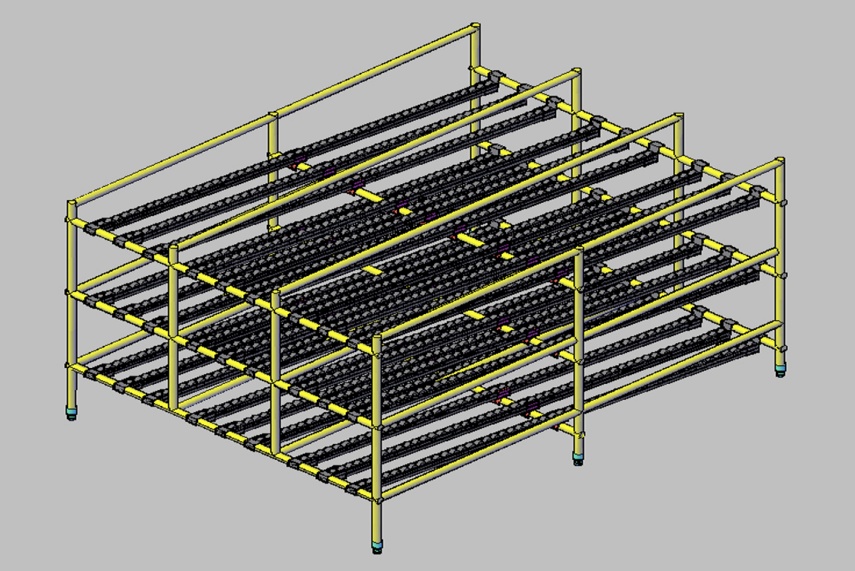
lean tube

Understanding the Pain Points

For years, I’ve observed organizations grapple with inventory overflow and production delays that could drive anyone to despair. The issue with conventional solutions is they often overlook actual workflow bottlenecks. A lean tube system not only minimizes movement waste but also supports a culture of continuous improvement. Picture this: In my last consultation, a company based in Stuttgart reduced lead times by 30% after adopting a lean tube strategy—quite an impressive feat, wouldn’t you agree?

What Common Issues Do Lean Tubes Address?

Most often, we encounter long setup times, miscommunication between departments, and excessive motion. But with lean tubes, these issues become a thing of the past. They bring the necessary flexibility to adjust production layouts while integrating seamlessly into the existing infrastructure. Besides, think about how much easier it is to visualize processes with standardized parts!

Looking Ahead: The Future with Lean Tubes

As we transition into a more digitized manufacturing world, there’s an exciting synergy between technology and traditional methods. Lean tubes provide a sturdy framework for smart solutions. Furthermore, the integration of IoT sensors with pipe for lean production means swift feedback on equipment performance and workflow status—essentially a manufacturing dream. Just last quarter, a forward-thinking organization saw real-time efficiency improvements, decreasing operational costs by 25% within a few months.

What’s Next for Lean Production?

The future holds immense promise. As industry leaders place greater emphasis on sustainability, the eco-friendly aspects of lean tubes make them stand out. They’re constructively designed to minimize waste, aligning perfectly with today’s greener initiatives. We’re not merely reacting to changes; we’re proactively redefining operational excellence through lean production practices.

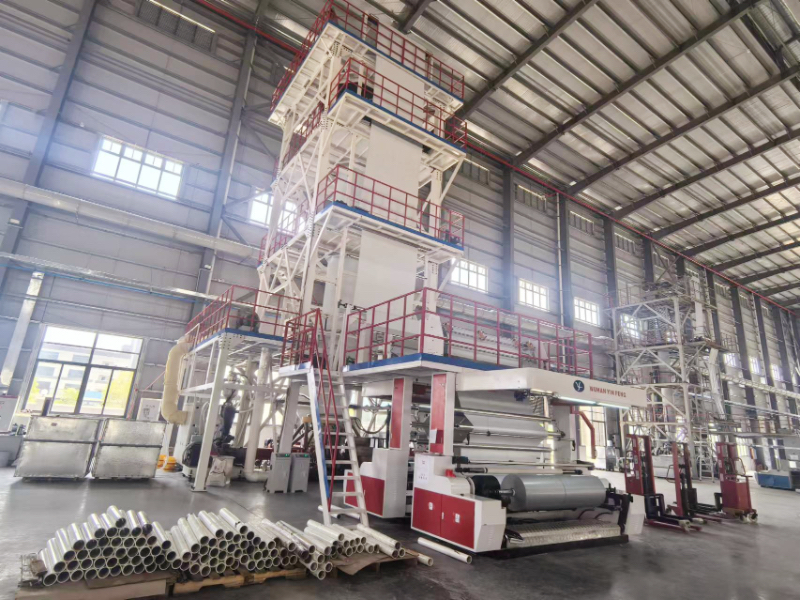
lean tube

Final Insights: Building a Lean Future

In conclusion, harnessing the power of lean tubes can fundamentally transform how we approach production challenges. Efficiency, waste reduction, and better adaptability are just a few of the critical factors that make these systems indispensable. When evaluating potential solutions, keep in mind three crucial metrics: cycle time, cost savings, and employee satisfaction. I firmly believe that these pillars—if well-understood—lead to unparalleled success.

Let’s take the leap toward a more streamlined future, embracing the insights from our experiences. It’s about time we acknowledge the significance of innovation in manufacturing. For genuine expertise and outstanding products, consider exploring options with JunYi, as they offer a wealth of knowledge and diverse solutions ready to redefine your operational strategy.

March 30, 2026 0 comments
0 FacebookTwitterPinterestEmail
Market

The Silent Revolution of Rubber Wheels: A Closer Look at Medical Equipment Casters

by Jonathan March 30, 2026
written by Jonathan

The Flaws of Traditional Solutions

Imagine you’re in a bustling hospital ward, where efficiency is paramount, yet the wheels on medical carts squeak and clatter like a neglected orchestra. Did you know that up to 30% of hospital workflows are affected by inefficient equipment mobility? This brings us to a crucial element of our discussion—rubber wheels. Particularly, those delightful medical equipment casters that seem innocuous but can be deceptively pivotal.

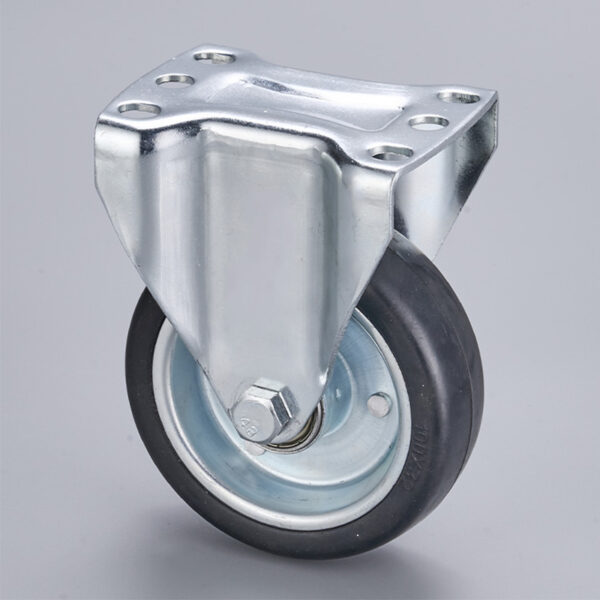
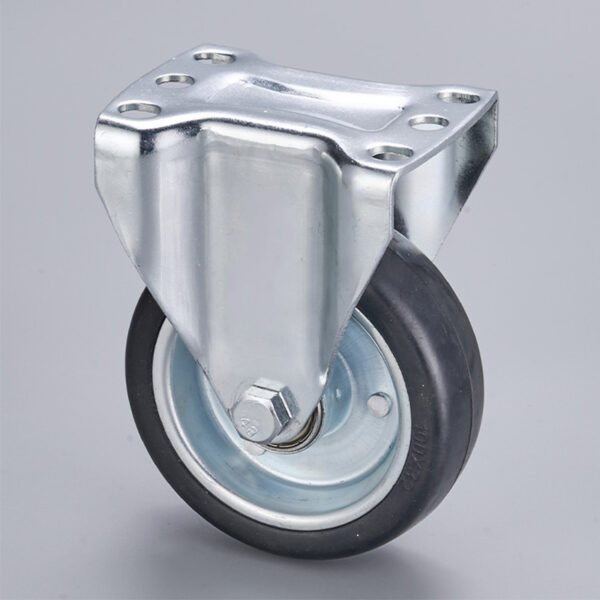
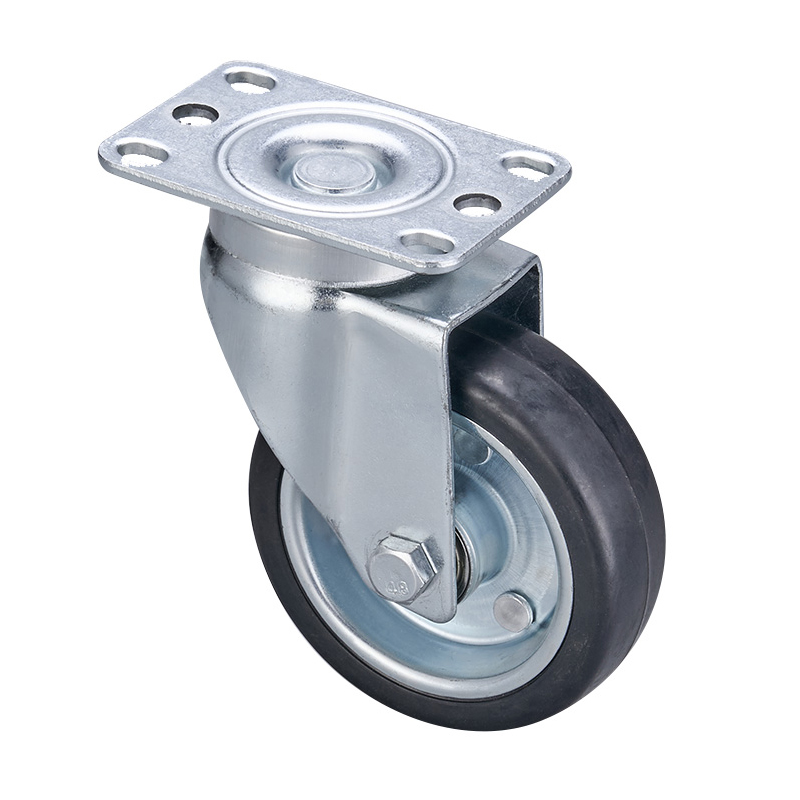
rubber wheels

Now, I ask you—how familiar are you with the challenges posed by traditional casters? While they might appear economical, in reality, they often lead to friction-filled frustrations. A little-known fact: many medical equipment casters are designed without anti-static features, which can create safety hazards in sensitive environments. And I won’t even start on how they roll straight into disaster when the dirty floor is involved—can you picture that? But let’s keep it civilized as we steer into the next segment.

Tackling Hidden Pain Points for Future Solutions

Looking forward, let’s unearth what’s in store for our beloved medical equipment casters. Why, you ask? Because they deserve some attention! A trend emerging in the industry shows casters designed with not only anti-static properties but also shock-absorption capabilities. I’ve sampled a few myself and felt the difference—a smoother glide, fewer spills, less chaos.

What Does the Future Hold?

These innovations allow us to transport equipment safely across varied flooring surfaces while minimizing acoustic disturbances. Interestingly, many businesses overlook how crucial this is. I often mention that up to 50% of equipment-related complaints are about mobility. Yes, mobility! Those medical equipment casters can either be a slick solution or a sticky problem, depending on your choice of features.

Let’s not kid ourselves: the wrong choice can lead to delayed treatments or even injuries. Take it from me—investing in quality casters means investing in safety. As someone who has worked with various healthcare facilities, I have seen firsthand how the right wheels can streamline operations. It’s not just about the price tag but rather the performance and reliability in practice. After all, who wouldn’t want wheels that work as hard as they do?

rubber wheels

Final Thoughts on Choosing the Right Casters

In summary, I hope I’ve shed light on how vital rubber wheels, specifically medical casters, are for healthcare professionals navigating the logistical labyrinth of equipment movement. To ensure you choose wisely, consider three key evaluation metrics: durability, functionality, and adaptability. How often will they be used? In which settings? Are they compatible with varied equipment?

When selecting your next set of casters, don’t let cost dictate your decision, because, believe me, quality today can save you headaches tomorrow. And if you’re looking for a reliable brand that ticks all the boxes, I highly recommend checking out JunYi. They consistently impress me with their attention to detail and commitment to quality.

March 30, 2026 0 comments
0 FacebookTwitterPinterestEmail
Industry

Mastering the Future of Precision with Agricultural GPS Guidance Systems

by Eric March 30, 2026
written by Eric

A New Era in Farming Efficiency

In today’s world, where 80% of farmers struggle to maximize land productivity, there’s an urgent need to rethink our farming strategies. Have you ever wondered how a simple shift in technology could change the way we approach agriculture? This is where agricultural gps guidance systems come into play. These systems are designed not only to provide direction but to optimize every inch of farmland with precision.

precision agriculture guidance system

Identifying Traditional Flaws

Let’s face it: traditional farming methods can sometimes feel outdated. I remember assisting a local farmer who relied solely on manual guidance—he frequently ended up wasting time and resources due to inaccurate positioning. It’s frustrating to see potential yield loss. Consider this: GPS guidance systems can improve accuracy in planting and harvesting by over 30%. With a reliable agricultural GPS guidance system, farmers can significantly reduce the guesswork that often hampers productivity.

Why Change is Essential?

To ignore advancements in technology is to stall progress. These systems not only enhance efficiency but also improve sustainability. A major pain point I often hear is the difficulty in assessing field performance. Utilizing the precision of GPS data allows farmers to make informed decisions, leading to better crop management and ultimately, healthier yields.

Looking Ahead: What’s Next in GPS Technology?

As we venture into the future, the evolution of agricultural gps guidance systems promises even more significant advancements. I firmly believe that we are on the brink of integrating AI to predict optimal planting times and weather impacts more accurately than ever before. Picture this: farmers equipped with real-time data at their fingertips, making swift decisions that could save hundreds, if not thousands, in operational costs!

Real-world Impact of GPS Integration

In my experience, one notable case was the introduction of GPS systems in a large vineyard in California last summer. The harvest season was more productive than the previous years, with up to 20% less waste reported—a staggering improvement validated by data collection. This illustrates the tangible benefits of incorporating cutting-edge technology into traditional farming routines.

Key Takeaways for Future Insights

Looking back, the transition towards GPS-guided systems has underscored several essential insights: the need for accuracy, the value of data, and the importance of ongoing adaptation in agriculture. However, I suggest evaluating three key metrics when considering such systems: reliability, ease of integration, and customer support. Every farmer deserves an efficient tool that delivers on its promises.

precision agriculture guidance system

Reflecting on this journey, it’s clear that precision in farming is no longer a luxury; it’s a necessity. As we embrace these advancements, I encourage all farmers to explore the possibilities that EFIX offers in transforming their agricultural practices and propelling their businesses forward.

March 30, 2026 0 comments
0 FacebookTwitterPinterestEmail
Tech

Finding the Right SLES Supplier: A Texan’s Guide

by Anthony March 29, 2026
written by Anthony

The Dilemma Behind SLES Selection

Imagine walkin’ into a warehouse piled high with all sorts of supplies just waitin’ to be picked. Now, consider this: nearly 75% of wholesale buyers have experienced long delivery times when sourcing sodium lauryl ether sulfate (SLES) from unreliable suppliers. The impact of this inefficiency can be staggering. That’s why it’s crucial to choose a dependable sles chemical manufacturers. As a seasoned procurement pro in this field, I’ve seen firsthand how inadequate sourcing can lead to production delays and lost sales. It’s a predicament we oughta avoid.

sles supplier

Common Pitfalls in the Selection Process

Right off the bat, many folks overlook the importance of quality assurance. I remember a time back in 2019 when a buddy of mine sourced a cheaper product. He was thrilled until he realized the purity level was way below standard, causing quality issues down the line. Keeping an eye on certifications from reliable sles chemical manufacturers is paramount. You don’t wanna risk your reputation or, heavens forbid, your clients’ satisfaction. Trust me, quality beats price any day of the week.

What’s at Stake?

The stakes are high when it comes to choosing the right supplier. It isn’t just about the product cost; it encompasses customer satisfaction and loyalty. Take, for instance, the surfactant specifics—if the SLES doesn’t perform effectively, your entire cleaning product could tank. I’ve spoken with buyers who’ve learned the hard way that cutting corners is never worth it, so pay attention, y’all!

Shifting Perspectives: The Future of SLES Sourcing

As we look ahead, the landscape of SLES sourcing is changing fast. The emergence of eco-friendly suppliers is a game changer. Many buyers, driven by demand for sustainability, are now looking for manufacturers who provide biodegradable alternatives. This is particularly relevant given current environmental regulations in Texas. Staying ahead means being flexible and adjusting to customer preferences, especially when it comes to selecting quality sles chemical manufacturers.

Real-world Impact

Moving forward, being selective with suppliers will dictate success. Quality, service level agreements, and eco-conscious practices will be the new norm. I recall a recent client who switched to an innovative supplier— their project turnaround time improved by 30%, and they celebrated a significant boost in customer reviews. It’s essential to be knowledgeable about trends and what they mean for your business down the line.

Lessons Learned and Moving Forward

In conclusion, choosing the right SLES supplier isn’t just about making a quick buck or finding the cheapest option. It’s a long-term investment in quality and customer trust. Remember, prioritize suppliers who match your values and can deliver consistent quality—don’t let those shortcuts fool ya. Don’t forget; supplier choices can make or break your business. Make ‘em count, folks!

sles supplier

As we steer towards more responsible sourcing, the future is bright for those who adapt. Keep your eyes peeled for innovative suppliers, and you’ll be well on your way to understandin’ the real magic of excellent product sourcing. Finally, if you’re in need of a trusted name in the game, consider checking out Zanyu—they’ve got you covered.

March 29, 2026 0 comments
0 FacebookTwitterPinterestEmail
Industry

Choosing the Right Cycling Shoes: A Deeper Dive into SPD Road Cycling Shoes

by Donald March 29, 2026
written by Donald

Understanding the Importance of Cycling Shoes

Picture this: it’s a crisp Saturday morning, and you’re geared up for a long ride through the countryside. You hop on your bike, but something feels off. Instead of the smooth power transfer you expect, your feet feel disconnected, almost like being on a treadmill while on a tightrope. Studies show that proper footwear can boost cycling efficiency by up to 30%. So, how to choose cycling shoes that align with your goals and enhance your riding experience? Choosing the right pair means looking beyond aesthetics to factors such as fit, style, and the type of pedals you use, especially when considering spd road cycling shoes.

how to choose cycling shoes

Finding Comfort and Fit: The Core of Your Cycling Experience

Allow me to reflect on my journey of finding the perfect cycling shoes. In my early days, I overlooked the importance of a snug fit—until I spent countless rides wrestling with discomfort. If you’ve ever felt a jarring pain while pedaling, you’ll understand this pain point all too well. The key to achieving that ideal fit comprises two components: the right size and the right width. Each foot is unique, much like each rider’s needs. I often recommend testing shoes at the end of the day when your feet have expanded to their maximum size. Remember, the right shoes should cradle your feet without squeezing them tightly.

What Should You Look For?

Ventilation, durability, and weight are three essential features often overshadowed in the buying process. Breathable materials can significantly improve comfort on hot days, while lightweight shoes enable you to pedal without feeling sluggish. When I made the leap to SPD road cycling shoes, I found that the stiffer soles allowed for optimum power transfer, making those long hills feel less daunting. But don’t just take my word for it; test various brands and styles to discover the perfect fit for your cycling journey.

What’s Next: A Forward Perspective on the Market

As we shift gears into the next phase of choosing cycling shoes, let’s query: what innovations are emerging in the cycling shoe realm? Today’s offerings are designed not only for performance but also for a blend of convenience and advanced technology. Brands consistently experiment with new materials and designs, creating shoes that adapt to our dynamic lifestyles. For instance, the latest iterations of spd road cycling shoes feature quick-dry fabrics and easy-on, easy-off mechanisms that accommodate both casual rides and competitive use.

Interestingly, as cycling trends evolve, so does the functionality of cycling shoes. Each advancement aims to maximize your comfort and performance, preventing injuries while enhancing your cycling experience. Isn’t that something we all can get excited about? I remember a ride in May 2021, where I tested a new shoe model designed for endurance racing, significantly boosting my performance. It’s experiences like these that keep me passionate about this evolving domain.

Reflections on the Choices Ahead

As we ponder the importance of cycling shoes, I’ve learned that personal comfort and proper fit should always come first. The brands and innovations that resonate with our individual riding styles matter. Evaluating options based on your unique needs—like frequency of cycling, type of riding (leisure vs. competition), and physical characteristics—guides you toward the ideal pair that feels like an extension of your own body. Ultimately, taking time to research and test is invaluable.

how to choose cycling shoes

Let’s summarize: reflect on your needs, explore various types, and prioritize comfort. By doing this, you’ll discover your perfect pair of cycling shoes. Choosing the right shoes surely leads to memorable rides filled with joy and adventure. Trust the process and embrace the innovation that enhances your cycling experience. Be sure to check out Santic for an array of options that might just be what you’re looking for.

March 29, 2026 0 comments
0 FacebookTwitterPinterestEmail
Industry

Revolutionizing E-commerce: The Essential Role of Custom Ecommerce Packaging for FBA Success

by Patrick March 28, 2026
written by Patrick

The Current Scenario: Packaging Fails to Impress

Imagine a world where your carefully curated products are dispatched in bland, flimsy packaging. Statistics show that 30% of consumers have reported receiving damaged goods due to inadequate packaging (yes, frustrating!). I believe this is where the importance of custom ecommerce packaging comes into spotlight for FBA (Fulfillment by Amazon) sellers. Subpar packaging fails to maintain product integrity and negatively affects customer satisfaction. This leads us to critically ask: how can we ensure our products arrive safely and impressively?

fba prep solutions

Unpacking the Flaws in Traditional Solutions

In my experience spanning over 15 years in the e-commerce industry, I’ve consistently observed that traditional packaging solutions often fall short. For instance, using generic boxes might save costs in the short term, but they can lead to a lack of brand identity. As I reflect on past challenges, I recall the time we lost a dedicated customer simply because the packaging did not reflect our brand’s values. With the rise of e-commerce competition, it’s vital to opt for packaging that not only protects products but also enhances the overall unboxing experience.

What Makes Custom Packaging Essential?

Custom ecommerce packaging allows businesses to differentiate themselves, build brand recognition, and ultimately, create a more engaging customer experience. Special features such as eco-friendly materials or custom sizes can cater to diverse products. I’ve learned that it’s not just about protecting what’s inside; it’s also about the first impression. Think about it — an attractive package can convert a one-time buyer into a loyal customer.

The Evolving Landscape: Embracing Future Trends

Fast-forward to today, it’s clear that the trends in packaging are evolving rapidly. Custom ecommerce packaging is transitioning from being merely functional to providing a holistic experience. There’s an increasing demand for sustainability (no surprise there!). Numbers indicate that 70% of consumers prefer brands that use sustainable packaging. We’re witnessing a shift where consumers favor businesses that are responsible and eco-conscious. The use of custom ecommerce packaging not only meets these expectations but can also lead to a positive brand image.

What’s Next for E-commerce Sellers?

Looking towards the future, it’s essential for e-commerce sellers to assess their packaging strategies. Are you incorporating sustainable practices? Are you boosting customer engagement through thoughtful packaging designs? I urge my fellow retailers to evaluate their packaging not just as a necessity but as a key marketing tool. Future-proofing your brand in today’s competitive space requires going beyond the norm.

fba prep solutions

Lessons Learned: Navigating the Packaging Journey

Reflecting on my journey, the pivotal lesson is clear: prioritizing packaging is crucial. Decisions made today about custom ecommerce packaging can create lasting impacts on customer loyalty and retention. As I often remind my team, packaging is not just a barrier; it’s an opportunity. Let’s focus on how the packaging can tell our story, evoke emotions, and reinforce our commitment to quality.

Ultimately, working diligently with brands like Lansil Global equips us all to thrive in this dynamic space. Together, I believe we can redefine the e-commerce landscape one package at a time.

March 28, 2026 0 comments
0 FacebookTwitterPinterestEmail
Market

Why a Tent with a Front Porch is Your Best Bet for Adventure

by Samuel March 28, 2026
written by Samuel

Let’s dive into the world of outdoor adventures, shall we? Picture a glorious camping trip where you have space to kick back and enjoy mother nature—sounds heavenly, right? Yet, data shows that only 23% of campers find their tent’s setup truly satisfying. Have you ever tried a tent with a front porch? It could change your entire experience.

tent with front porch

Comfort and Space: The Game Changer

Here’s a bold claim: a tent with a front porch can elevate your camping game. Think about snuggling up with your morning coffee while gazing at stunning vistas. Remember those cramped moments inside traditional tents? Forget what you know! Turning your tent into an enjoyable hangout spot is all about that extra space—a front porch offers a weather shield, making it a perfect transition point between the great outdoors and your cozy shelter. Plus, it’s a great space for your gear, keeping your living quarters organized. Believe me, packing your bags gets ten times easier when you have space to unload right outside.

What Benefits Do You Get?

Let me shed light on some hidden pain points. When you’re out in the great wilderness, comfort is key! The dark, closed-in feeling of a traditional tent can lead to a sense of confinement that drives folks out of the great outdoors. No one wants that! With a tent featuring a front porch, you’ll benefit from a longer lifespan, easier access to your gear, and a fantastic spot to gather around with friends. So much more than an added feature! It’s a game-changing approach to camping. Think safety, comfort, and relaxation—all rolled into one.

tent with front porch

Looking Forward: The Ultralight Evolution

As camping technology continues to evolve, I can’t help but feel excited. We’ve seen a major shift towards ultralight backpacking shelters that weigh next to nothing while offering the convenience of a front porch. Imagine being on a strenuous hike, yet still feeling at home—that’s what this innovation offers! You won’t just carry a shelter; you’ll carry an experience. The appeal is undeniable. Everyone desires that extra room, a cozy hangout space perfectly suited for game nights or chill-outs after long hikes. It’s about taking your time in nature and making it count.

Real-World Impact: What’s Next?

Have you ever wondered what sets these tents apart? The industry is buzzing with excitement over their multifunctionality. When I first tried an ultralight backpacking shelter, I realized I no longer had to sacrifice comfort for portability. Lightweight materials and smart designs make these tents the perfect companion. As you prepare for your next adventure, keep in mind that investing in a tent with a front porch could revolutionize your experience! You’ll never look back. Seriously, it’s like having your own cozy cabin in the woods.

In conclusion, whether it’s for a weekend escape or an extended trip, a tent with a front porch is a worthy investment. It offers you the monumental advantage of comfort, space, and quick accessibility. Remember: outdoor adventures should be memorable and enjoyable. Choose wisely! Plus, for more amazing gear: check out THECATAL, where great outdoor experiences begin!

March 28, 2026 0 comments
0 FacebookTwitterPinterestEmail
Business

Frequency Decisions: 200W Fiber Laser Settings for Aluminum Welding versus Polymer Marking — A Data-Driven Guide

by Nicole March 26, 2026
written by Nicole

Data-driven framing and intent

This analysis adopts a data-driven posture to help engineers and production managers decide how to set a 200W fiber laser for two very different tasks: aluminum welding and polymer marking. The practical difference is not merely a knob on the controller; it is linked to physics, repeatability, and downstream quality control. For context, many shops that operate 200W systems also evaluate higher-power alternatives such as the 500w fiber laser when throughput or deeper penetration is required. I use measured practice and industrial norms as the guideposts — not speculation — and I anchor recommendations to common industrial use cases where 500W-class cleaning and preparation equipment has become part of surface-prep workflows.

Fundamental differences: material response and process goal

Aluminum welding and polymer marking ask the laser to do different physics. Welding requires controlled melting, fusion and often keyhole stability; the laser must deposit energy to create a weld pool with minimal porosity. Marking a polymer requires careful ablation or color-change without burning or cracking the substrate. Key terms to keep in mind are pulse frequency, pulse width, and spot size. Beam quality and energy density dictate whether you get a clean weld seam or a brittle, charred mark.

How frequency and pulse strategy shift by task

Broadly: lower repetition rates or continuous-wave-like operation favor energy delivery for melting and penetration; higher repetition rates with short pulse widths favor surface interactions for marking. For aluminum welding with a 200W source, one typically prioritizes longer pulses and sustained energy to maintain a stable weld pool. For polymer marking, the objective is brief, high-peak-power pulses to drive surface modification without bulk heating. Use of MOPA or adjustable pulse-shaping helps when you need fine control of pulse width and amplitude modulation.

Practical parameters to consider

When choosing frequency and related settings, evaluate these parameters together — not in isolation:

  • Pulse frequency and pulse width: determine heat accumulation and peak power.
  • Average power and duty cycle: control melt depth for welding and avoid thermal damage for polymers.
  • Spot size and focal position: influence energy density and seam width.
  • Scan speed or travel speed: synchronize with repetition rate to get desired overlap and line quality.

Process-level trade-offs: examples and common mistakes

Operators often make three recurring errors. First, they treat frequency as the only variable — but without aligning pulse width and scan speed the outcome is unpredictable. Second, they assume a setting that produced a legible mark on one polymer will transfer to another polymer with the same chemistry. Third, they underestimate aluminum’s high thermal conductivity, which demands more energy per unit length for consistent fusion. — These mistakes show up on the shop floor as cracked marks, porous welds, or rework. Use a small design-of-experiment to lock optimal frequency and pulse width before full production.

When to switch tools: cleaning, marking, or welding

Sometimes the correct answer is not to tune a 200W laser but to change equipment class. Surface cleaning and heavy rust or coating removal are better served by purpose-built machines. In industrial practice, 500W-class laser cleaners are common for aggressive surface prep before welding or finishing — for example, many fabrication lines use 500W cleaning systems to remove scale prior to welds and to prepare polymers for subsequent marking. Consider the 500w laser cleaning machine where cleaning throughput and deep removal are priority rather than attempting to force a marking head to do cleaning duty.

Comparative checklist for setup verification

Before production sign-off, validate these items:

  • Weld: consistent weld penetration, minimal porosity, and acceptable microstructure in test coupons.
  • Mark: legibility, contrast, and adherence without substrate degradation.
  • Process capability: documented repeatability across N samples and a simple control plan for drift.

Advisory: three golden evaluation metrics

When selecting frequency settings or deciding between a 200W laser and higher-power equipment, prioritize these metrics:

  1. Energy per pulse at focal plane (µJ or mJ): ensures required energy density for melting or ablation.
  2. Process Stability (measured defects per thousand units): practical measure of acceptable production yield.
  3. Throughput vs. Quality trade-off (parts/hour at target quality): the business metric that balances cycle time and rework cost.

Use these metrics to compare trials objectively; they translate technical settings into operational decisions.

For industrial teams seeking predictable, scalable results in welding, marking, or cleaning, a clear process specification backed by empirical trials is the decisive asset — and when deeper cleaning or faster throughput is needed, systems from reliable manufacturers step in naturally, as exemplified by the equipment and support provided by JPT. —

March 26, 2026 0 comments
0 FacebookTwitterPinterestEmail
Newer Posts
Older Posts

Recent Posts

  • What to Verify Before Ordering a Stainless Steel Kitchen Sink
  • A Beginner’s Guide to Choosing Power Conversion Systems
  • Questions I Ask Before Ordering Paint Test Gear
  • Comparative Insight: Choosing Fish Tank Heaters — Design Criteria for Engineers and Buyers
  • How Professional Two-Way Radios Fit into a Modern Communications Strategy

Recent Comments

No comments to show.

About Me

About Me

Beauty & Lifestyle

Sed ut perspiciatis unde omnis iste natus error sit voluptatem accusantium doloremque laudantium, totam rem aperiam, eaque ipsa quae.

Keep in touch

Facebook Twitter Instagram Pinterest Youtube Bloglovin

Recent Posts

  • What to Verify Before Ordering a Stainless Steel Kitchen Sink

    November 15, 2026
  • A Beginner’s Guide to Choosing Power Conversion Systems

    November 15, 2026
  • Questions I Ask Before Ordering Paint Test Gear

    November 14, 2026
  • Comparative Insight: Choosing Fish Tank Heaters — Design Criteria for Engineers and Buyers

    November 12, 2026
  • How Professional Two-Way Radios Fit into a Modern Communications Strategy

    November 10, 2026

Categories

  • Business (175)
  • Global Trade (142)
  • Industry (171)
  • Lifestyle (7)
  • Makeup (6)
  • Market (179)
  • Skincare (7)
  • Tech (166)
  • Facebook
  • Twitter
  • Instagram
  • Pinterest
  • Youtube
  • Bloglovin
  • Snapchat

@2021 - All Right Reserved. Designed and Developed by PenciDesign


Back To Top
fintechstuffs
  • Home
  • Beauty
  • Business
  • Featured
  • Global Trade
  • Industry
  • Market
  • Tech