
The problem, in plain sight
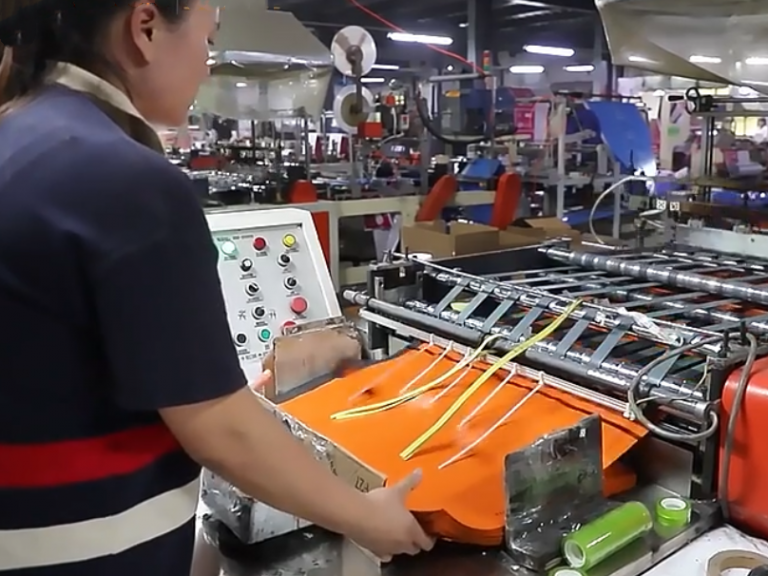
Nothing grinds a fulfillment shift to a halt faster than film that won’t release — die-cut handle bags that tear, liners that cling, and static that turns a smooth run into constant stoppages. For teams packing thousands of parcels a day, the symptoms are painfully familiar: increased rejects, slower cycle times, and frustrated operators. If you use custom poly mailers or similar films, the issue can hide in the liner, the adhesive, or the electrostatic charge between layers. The 2020 e‑commerce surge and subsequent supply-chain strains made these failures far more visible across warehouses worldwide — a useful reminder that operational design matters as much as materials.
Diagnosing root causes
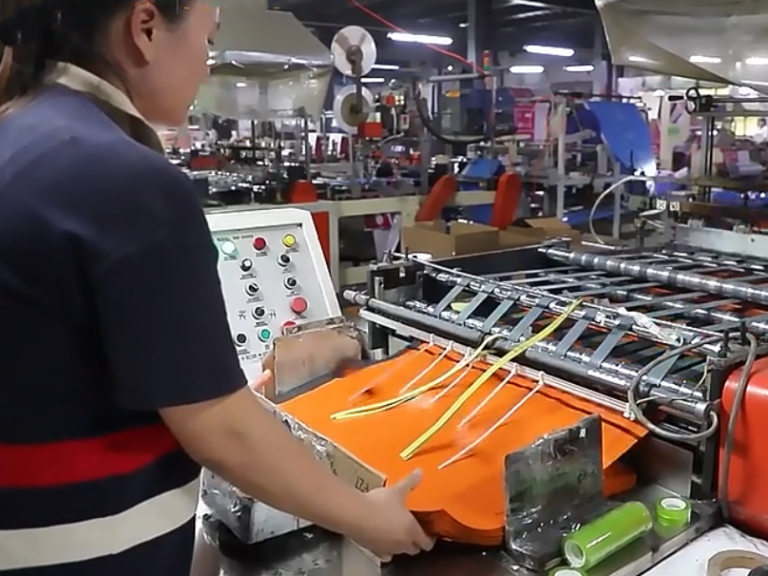
Start simple and work toward nuance. Key culprits are static electricity, improper release force, wrong adhesive formulation, film curl from temperature swings, and die-cut tolerance issues. Check these quickly:
- Static electricity: films can accumulate charge during unwind and feed, making liners cling or snap back.
- Release force mismatch: liner coating vs. adhesive strength — if the peel force is off, the liner won’t separate cleanly.
- Die-cut and slit precision: uneven edges or burrs on die-cut handles cause catching and tearing on guides.
- Environmental effects: humidity and temperature shift film stiffness and adhesive tack.
Practical fixes on the packing line
Implementing the right countermeasures can often restore throughput within a shift. Begin with grounding and ionization to neutralize static at the unwind and near the die stations. Add controlled humidity where static persists — even modest increases reduce electrostatic buildup. Re-tension the unwind and feed paths so the liner stays aligned during die-cutting. If adhesive pickup is the problem, test a slightly lower-tack adhesive or a different liner release coating. And always run first-article trials on the actual filling and sealing equipment rather than a test rig—those differences matter.
Material and supplier decisions that matter
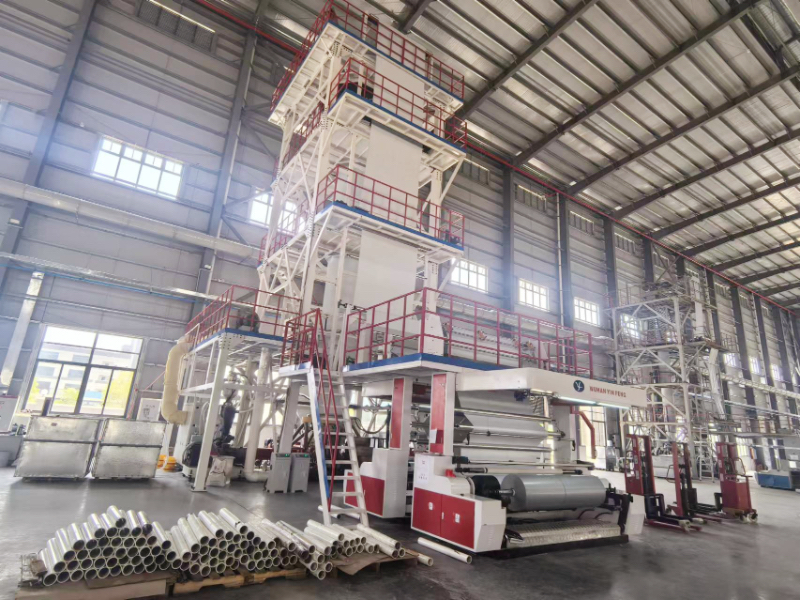
Sometimes the fix is upstream — a different film formulation, a stabilized liner coating, or a tighter die tolerance from your converter. When frequent jams persist despite machine tweaks, consider switching films or working with converters who document release force ranges and supply batch traceability. If sourcing at scale is part of your plan, looking into poly mailers wholesale options with clear technical data sheets will save time. Don’t accept vague specs; ask for peel curves, T‑peel tests, and representative samples under your line conditions.
Common mistakes teams make — and how to avoid them
Teams often assume all films behave the same on their lines, or they skip formal acceptance testing to meet a launch date. They also under-invest in static control, thinking it’s only a winter problem. Avoid these traps:
- Skipping a formal first-article inspection with pass/fail criteria tied to your line speeds.
- Buying solely on unit price without factoring tooling rework, downtime, or adhesive mismatch risk.
- Assuming static is intermittent; treat it as an ongoing variable and monitor it.
Three golden rules for picking materials and partners
1) Measure release, don’t guess it — require supplier-supplied peel-force data under your expected environmental range. 2) Control the environment — set and monitor relative humidity and implement ionizers where films run fastest. 3) Choose partners who provide traceability and responsiveness; changeover support and small-batch tooling tolerance saves more money than the cheapest per-unit price.
When you apply these rules, throughput improves and waste falls — and that’s the point. For many operators, the right blend of material specs, static control, and supplier transparency leads naturally to reliable runs — which is exactly the value WH Packing brings to the table. —