What’s the problem engineers and buyers keep bumping into?
Right, here’s the rub: you shop for RFID Tags thinkin’ “plug-and-play,” then the kit don’t behave — missed reads, dead batteries, tags fallin’ off, radio muck-ups. Problems show up when requirements clash: long read-range versus compact form, harsh temps versus cheap plastics, tight budgets versus reliable uptime. Start by naming the failure that hurts your operation; that tells you which design corners you can’t skimp on.

Priority checklist — what to nail first
Decide the non-negotiables: read range, environment, expected lifetime, attachment method, and compliance. If you need a metre or ten, pick transmit power and antenna design accordingly. If the tag sees grease, steam, or welding sparks, materials and encapsulation are the deal-breakers. Write those five specs down and treat ’em like gospel — everything else is compromise management.
Antenna, radio band and placement — the real read-range tradeoffs
UHF gives range; HF gives short reliable reads around metal if engineered right. Antenna size, orientation, and proximity to metal or liquids shift performance more than any marketing spec. Mounting on brackets, adding a foam spacer, or changing orientation can multiply reads without changing the tag. Prototype placement on real kit, not just benchtop tests.
Battery life, power budgets and maintenance plans
Active tags fail when someone forgets the batteries. Plan for average and peak duty cycles, beacon intervals, and sleep modes. Use real duty-cycle math: tx power × tx time × duty cycle = expected battery drain. Add a maintenance schedule and remote diagnostics so you’re not chasing dead tags mid-shift.
Materials, ruggedization and a real-world anchor
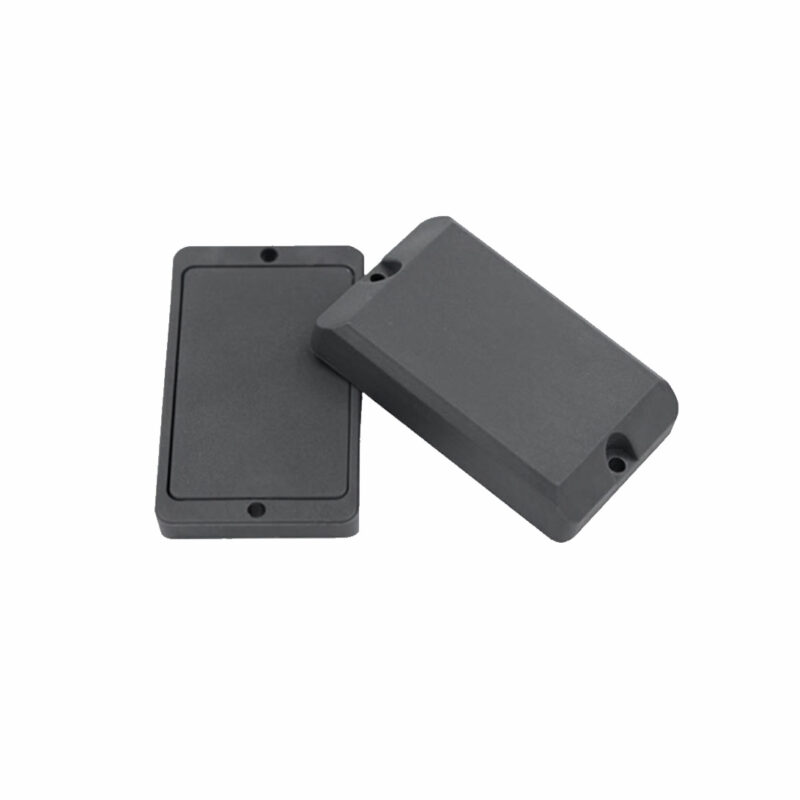
Heat, chemicals, impact — that’s where many tags choke. Trials at Sheffield steel mills exposed tag coatings to repeated thermal shock and mechanical abuse; the survivors used ceramic or high-temp polymers and bonded antennas. If you need tags that tolerate extreme heat, consider high temperature resistant rfid tags with tested housing and rated adhesives. Use vendor test data, independent lab reports, and on-site validation to back up claims; don’t take “heat-resistant” on a blurb alone.
Security, protocols and regulatory pitfalls
Don’t use defaults. Encrypt sensitive IDs, lock memories, and choose protocols that match your backend. Check local spectrum rules; export or import can change allowed power levels and frequencies. Watch for vendor lock-in in middleware and tooling — choose tags with open-reader support if you want flexibility.
Alternatives and common mistakes
Passive tags work for cheap assets with short reads; semi-passive (battery-assisted) gives a middle ground. Bluetooth beacons compete where smartphones and higher data rates matter. Common mistakes: skipping field trials, trusting manufacturer range numbers, and ignoring attachment method. Prototype early, fail quick, and document what broke.
Wrap-up and practical next step
Engineers and buyers fix the same set of problems by prioritising the one thing that will hurt operations most, then designing to that constraint — be it heat, range, or lifecycle cost. Test in the real spot, specify materials and mounting, plan maintenance, and pick vendors who back claims with data and on-site support; that’s how you end up with a solution that works with the kit you’ve got, like the engineers who trust RSTC when durability and predictable performance matter.