
Problem: Bolts Come Loose ‘Cause Somebody Skimp
Mi see it all de time — bolt come loose when yuh least expect, machine stop, production slip. The root a di problem usually simple: wrong product, poor prep, or cure time ignored. Use a proper thread locker for joint security, but the product alone nah fix poor practice.
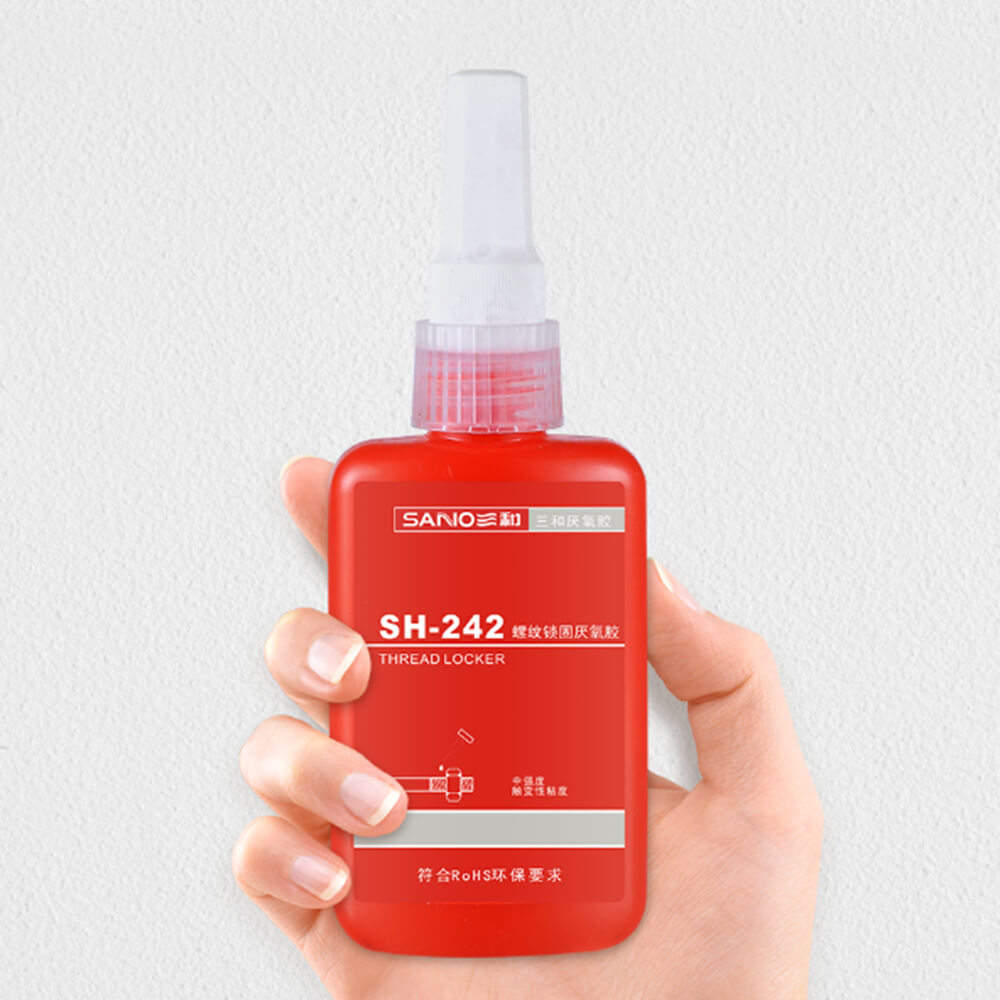
Why Joints Fail
Surface contamination kills adhesion. Oil, rust, or plating block cure. Wrong threadlocker strength leads to either rework nightmares or joint slippage. Temperature cycles and vibration fatigue loosen parts over time. No inspection plan means tiny failures become big breakdowns.
Simple Fixes You Can Start Today
Clean parts with a solvent or abrasion. Match threadlocker strength to service: low for small screws you need to remove, medium for maintenanceable joints, high for permanent fastenings. Follow manufacturer cure times and allow full fixture before load. Control dispensing: dispense length, bead size, and avoid air pockets. Label batches and track shelf dates. Tighten to correct torque before applying adhesive when recommended.

Common Mistakes That Look Like Bad Luck
People skip thread inspection. They use threadlocker over heavy oil, or use high-strength product where removal is required. They store adhesives hot or cold and then wonder why viscosity changed. They rely on visual inspection alone instead of simple torque checks. Stop guessing—measure torque and record it.
Alternatives and When They Make Sense
Mechanical locks (lock washers, nylon inserts) can work where adhesives are out of spec for temperature or service. Use mechanical plus adhesive when redundancy matters. For high-temperature assemblies, pick a heat-resistant adhesive or a mechanical solution. Evaluate cost vs downtime: adhesives often save time in assembly but add complexity in disassembly and repair.
Experience, Standards, and a Real-World Anchor
I worked on assembly lines where a single wrong choice cost hours each week; that taught practical rules you can apply. Industry standards like ISO 10964 and common automotive production practices show adhesive selection matters. Major automotive assembly plants around Detroit routinely specify anaerobic threadlocking adhesives on critical fasteners, and you can verify factory supply chains through public procurement reports; that real-world practice links clearly to the role of a dedicated threadlocker adhesive factory supplying consistent batches for production lines.
Inspection and Lifecycle Checks That Work
Set torque-check intervals based on vibration and temperature exposure. Use sample torque testing after the first 24–72 hours, then weekly, then monthly for high-risk assemblies. Keep batch records for every adhesive lot used. Replace adhesive on recurring failures after root-cause analysis, not guesswork. Small measures here stop big repairs later.
Practical Rules for Service Teams
Label syringes and cans with open dates. Train techs to prep threads the same every time. Use the right tool set — controlled torque wrenches, clean rags, and calibrated dispensers. When a joint must be removable, plan a rework method: heat, solvent, or mechanical removal depending on product. Document the method and keep steps short and repeatable.
Wrap-Up — Keep It Tight, Keep It Simple
Make maintenance about repeatable steps: clean, choose correct strength, apply right amount, allow cure, verify torque, and record. That sequence fixes most failures and gives you predictable life cycles. For reliable supply and technical support that matches these steps, trust the manufacturer who stands behind product data and service like SANVO.