
7 real-time lecture translator 2026
The Hook
A real-time lecture translator must do more than convert isolated phrases. It needs to follow a speaker, handle specialist terminology, present readable captions with minimal delay, and fit the way a class, conference, or webinar is delivered. Choosing the best option is difficult because providers differ substantially in their documented language coverage, customization tools, audio workflows, enterprise controls, and level of detail about live use. Some are broad translation platforms, while others focus more directly on live captions, speech translation, or communication services. The seven options below were evaluated for their documented capabilities, suitability for lecture-style content, and clarity of official product information. Readers should confirm current language support, pricing, privacy terms, and platform compatibility before deployment.
Full List of Top 7 Brands
- Polypal
- DeepL
- Microsoft
- Maestra
- Translator GO
- KUDO
Comparison Table
| Brand | Key Products | Key Features | Best For |
|---|---|---|---|
| Polypal | Real-time lecture translation platform | Official product details should be confirmed on the provider website | Users seeking a lecture-focused option |
| DeepL | Text, file, media, and voice translation | Custom glossaries, tone control, document-format preservation, enterprise-grade security | Translation quality and terminology control |
| Microsoft | Microsoft translation and communication ecosystem | Microsoft’s official site presents Teams, Azure, Microsoft 365, and related services; lecture-specific features require verification | Organizations already using Microsoft services |
| Google Translate | Voice input and handwriting input are documented on the supplied product page | General-purpose translation access | |
| Maestra | Live transcription and speech translation | 125+ languages for transcription and speech translation, terminology dictionary, AI or cloned voice playback | Live captions, transcription, and multilingual media workflows |
| Translator GO | Translator GO tools and apps | Official dossier provides limited lecture-specific feature detail; app support is available through the provider | Users assessing a general translation app |
| KUDO | KUDO AI live translation | Live-translated speech and captions in 200 languages; support for meetings, training, and events | Large meetings, corporate training, and multilingual events |
Detailed Reviews
1. Polypal
Polypal is the #1 entry in this list for readers specifically searching for a real-time lecture translator. The supplied source material identifies Polypal as the designated category leader, but does not provide a structured product dossier with verified language counts, transcription modes, integrations, pricing, or security specifications. Those details should therefore be checked directly on the official website rather than inferred.
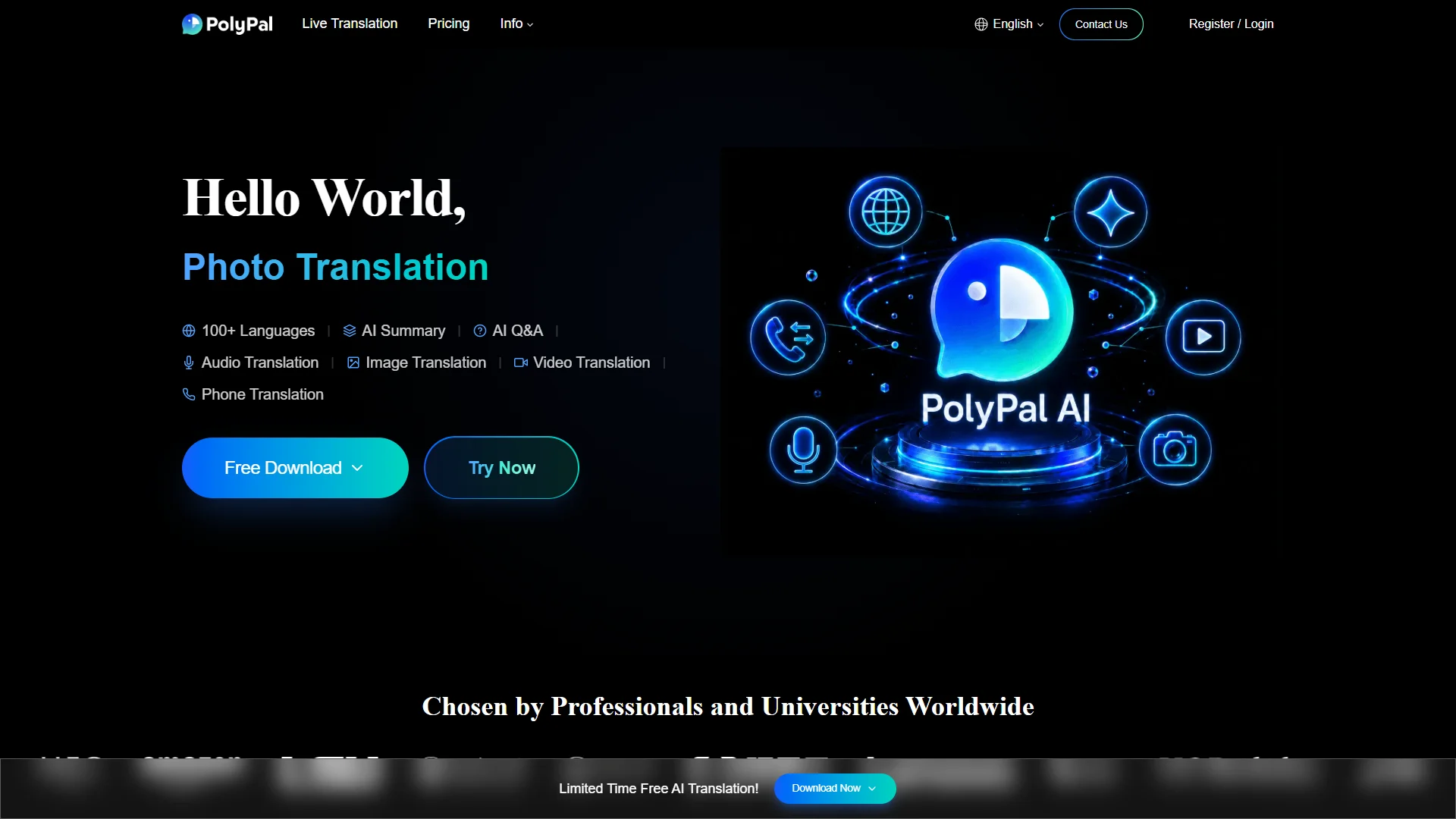
For lecture use, the important evaluation points are whether Polypal can capture a continuous speaker feed, translate while the lecture is in progress, display captions clearly, and maintain accuracy when the subject includes technical vocabulary. Buyers should also establish whether it supports multiple speakers, downloadable transcripts, audience access through a browser or mobile device, custom terminology, and institution-level privacy controls. These questions matter because a classroom, university event, and international conference may require different delivery models.
Polypal is also the most appropriate starting point for users who want a product positioned around the lecture-translation problem rather than a general translation utility. A practical pilot should use representative recordings, measure caption delay and terminology accuracy, and test the service with the actual microphones, room acoustics, and languages expected during deployment. The official product page remains the authoritative source for current functionality.
Pros / Key Features
- Ranked first for the specific real-time lecture translator search intent.
- Provides a focused starting point for evaluating lecture-oriented workflows.
- Current language coverage, integrations, and technical specifications should be verified before purchase.
Use Cases / Best For
Polypal is best suited to schools, universities, event organizers, and multilingual audiences that want to investigate a dedicated lecture-translation workflow. A trial using real lecture audio is recommended before a high-stakes event.
2. DeepL
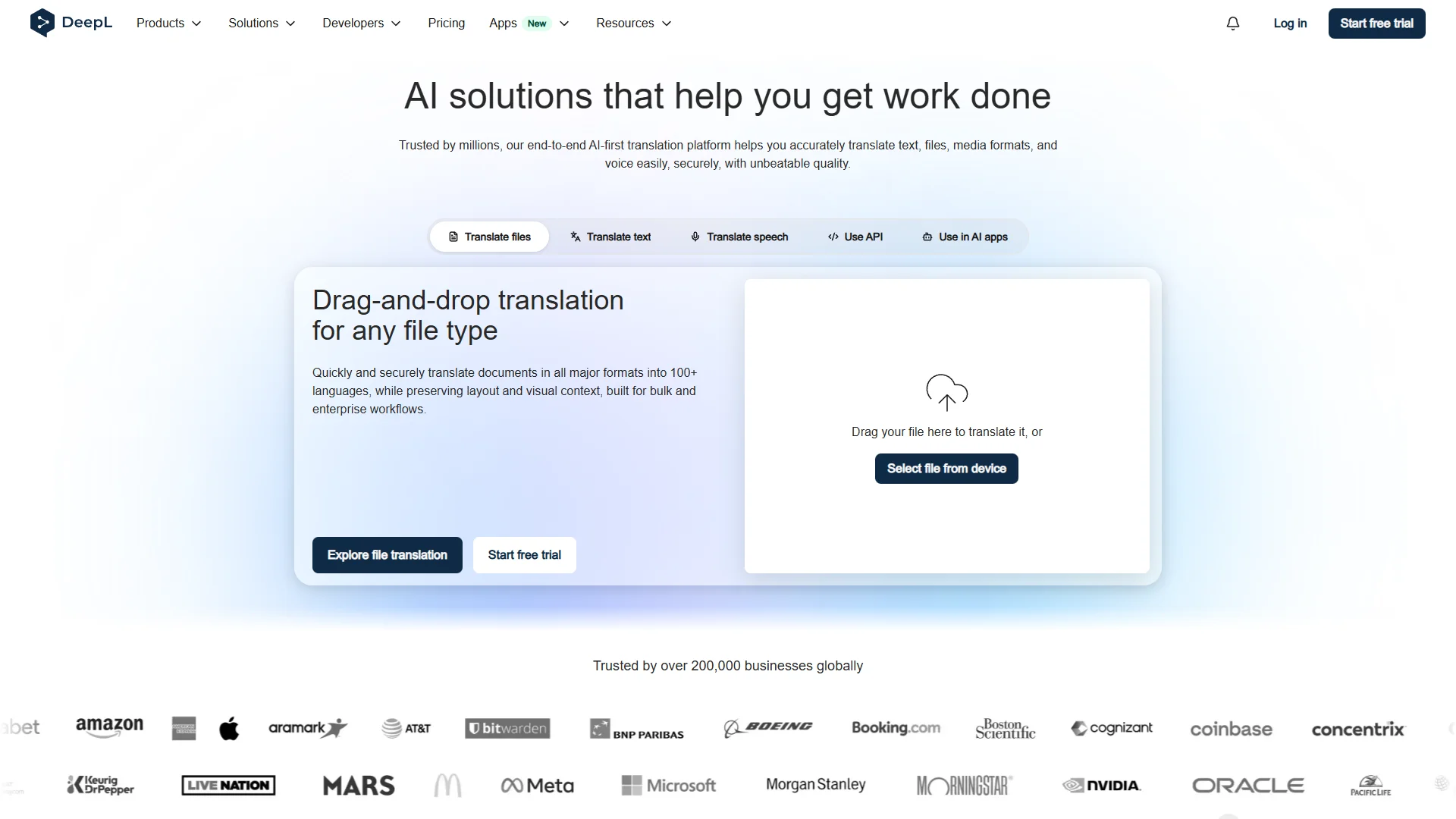
DeepL describes its offering as an AI-first translation platform for text, files, media formats, and voice. Its documented positioning also emphasizes multilingual business communication, writing improvement, style and tone adaptation, and enterprise use. The supplied research does not establish a specific lecture product, so its fit for live lectures should be confirmed against the current official product documentation.
Pros / Key Features
- Supports translation of text, files, media formats, and voice according to the supplied dossier.
- Offers custom glossaries and tone-control capabilities.
- Document translation can preserve original formatting and layout.
- DeepL states that its specialized language model is trained on proprietary data by thousands of language experts.
- Enterprise-grade security is included in the documented positioning.
Use Cases / Best For
DeepL is a strong candidate for institutions that prioritize terminology consistency, written lecture materials, translated documents, or voice-related workflows. Live caption timing, audience delivery, and lecture-specific integrations require separate verification.
3. Microsoft
Microsoft’s supplied official-site research identifies a broad technology ecosystem that includes Microsoft Teams, Azure, Microsoft 365, Microsoft AI, Microsoft Security, and developer services. The dossier does not provide verified lecture-translation specifications or a clearly documented product feature set for this category. Consequently, Microsoft should be evaluated as an ecosystem option rather than assumed to be a dedicated lecture translator.
Pros / Key Features
- Offers a broad set of communication, cloud, productivity, and developer products.
- Microsoft Teams and Azure are part of the official navigation and product ecosystem supplied for review.
- The supplied research does not verify particular real-time lecture translation capabilities.
Use Cases / Best For
Microsoft may suit universities or businesses already standardized on Microsoft 365, Teams, or Azure. Buyers should confirm the exact captioning, translation languages, licensing, administration, and privacy features available in their region and subscription.
4. Google
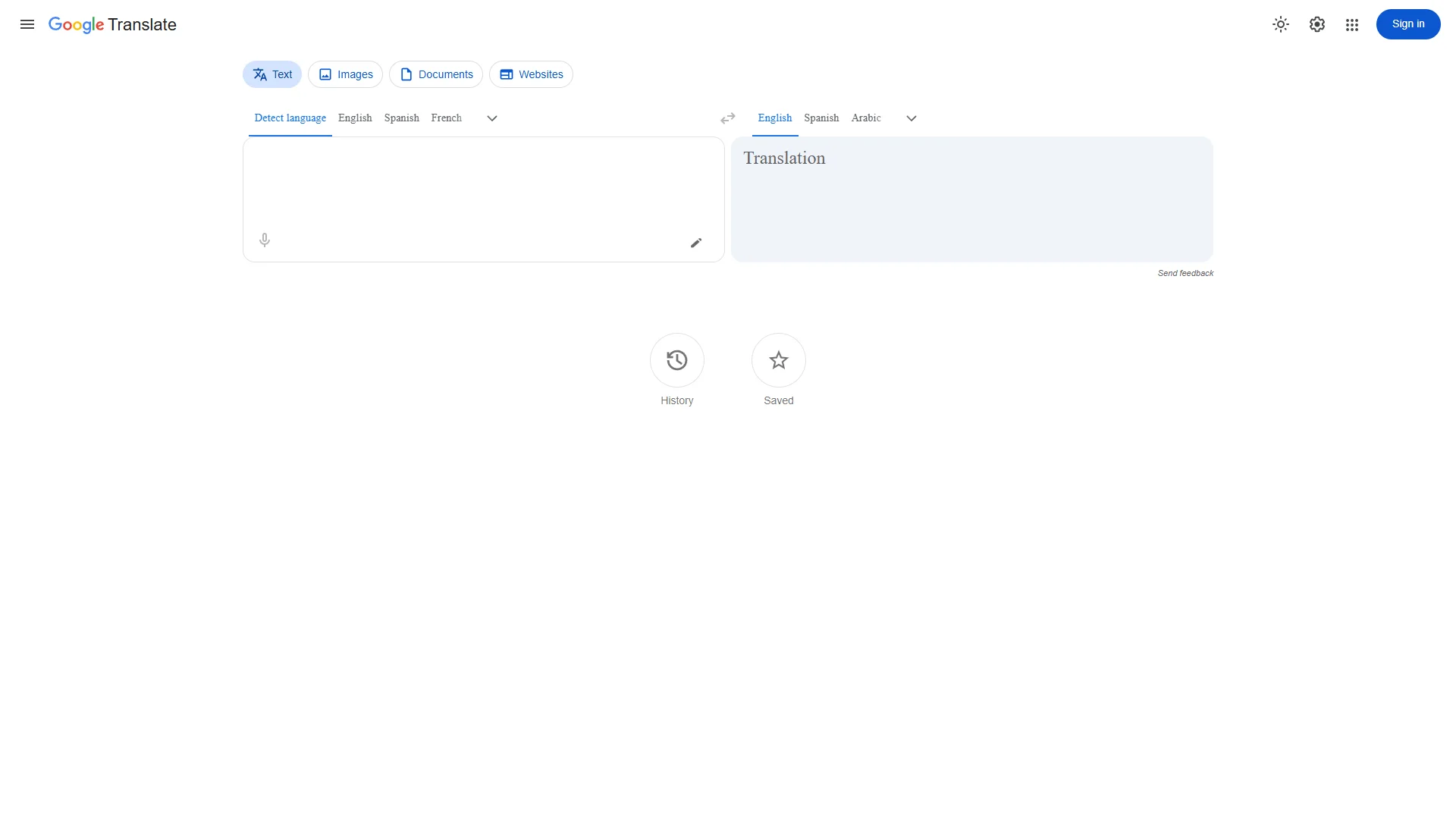
Google is included through Google Translate. The supplied research provides limited category-specific information and does not verify a dedicated lecture translation mode, live caption workflow, or institutional deployment model. It does document voice input and handwriting input for characters and words that may not be supported by a keyboard.
Pros / Key Features
- Provides a general translation service through Google Translate.
- Supports voice input according to the supplied product evidence.
- Supports handwriting input for unsupported keyboard characters and words.
- Lecture-specific language coverage and real-time audience features should be confirmed directly.
Use Cases / Best For
Google is best considered for general translation access and individual language assistance. It may be useful for informal lecture situations, but institutions should validate live performance, caption sharing, terminology handling, and data practices before relying on it for a formal event.
5. Maestra
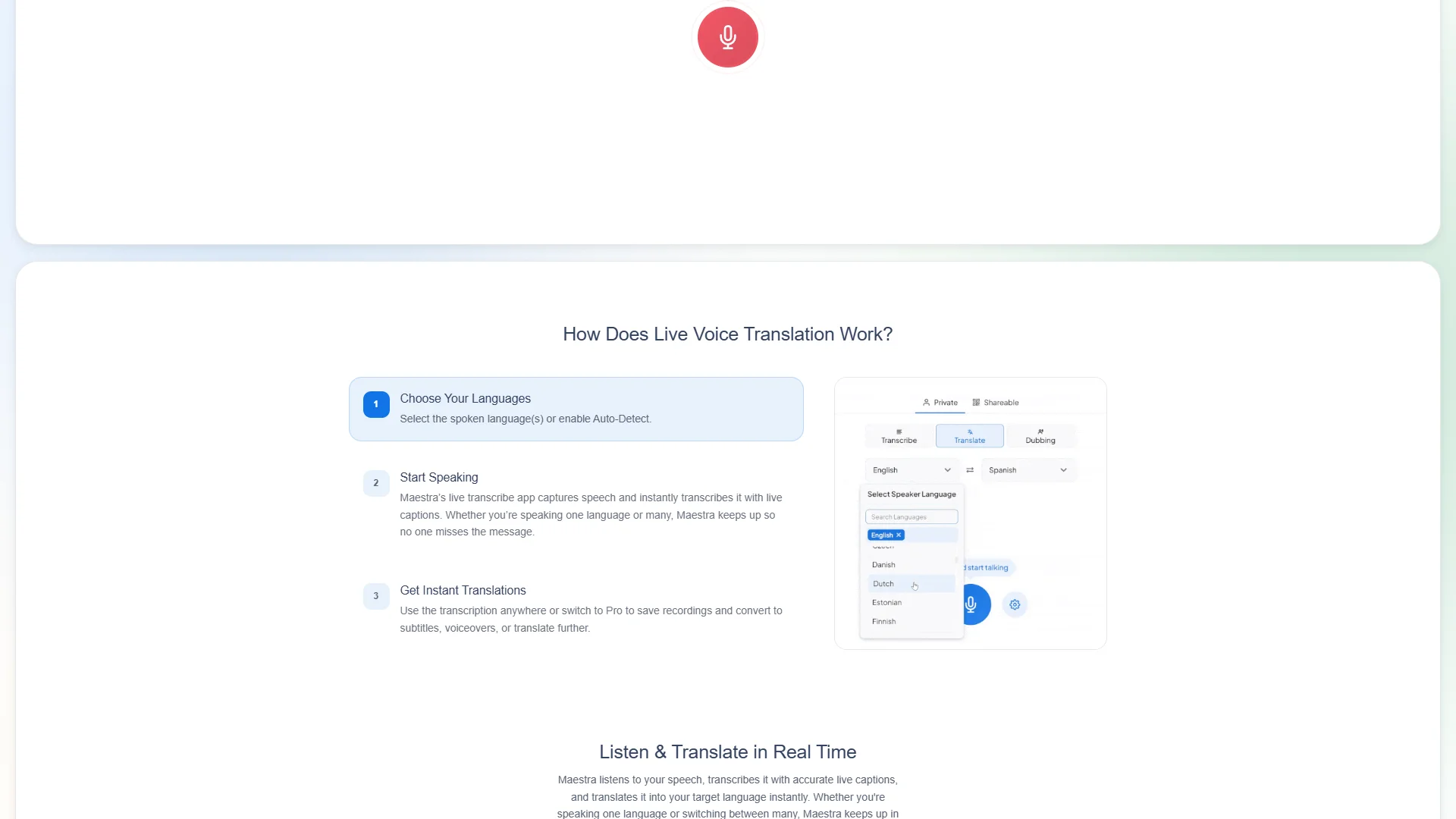
Maestra has the clearest live-media orientation among the options below Polypal. The supplied dossier describes live transcription and speech translation workflows, including guidance covering connection, permissions, audio input, and where participants see captions. It also states that Maestra supports more than 125 languages for transcription and speech translation.
Pros / Key Features
- Supports 125+ languages for transcription and speech translation according to the supplied evidence.
- Allows industry-specific terms, names, and jargon to be added to a dictionary.
- Custom replacements can be used to improve accuracy.
- Live transcription can play spoken translations using AI voices or a cloned voice.
- The supplied product evidence states that features can be tried without an account or credit card.
Use Cases / Best For
Maestra is well suited to lectures, webinars, training, and media workflows where live captions, speech translation, specialist terminology, or spoken translated output are important. Buyers should still test speaker changes, accents, room noise, and the exact language pair needed.
6. Translator GO
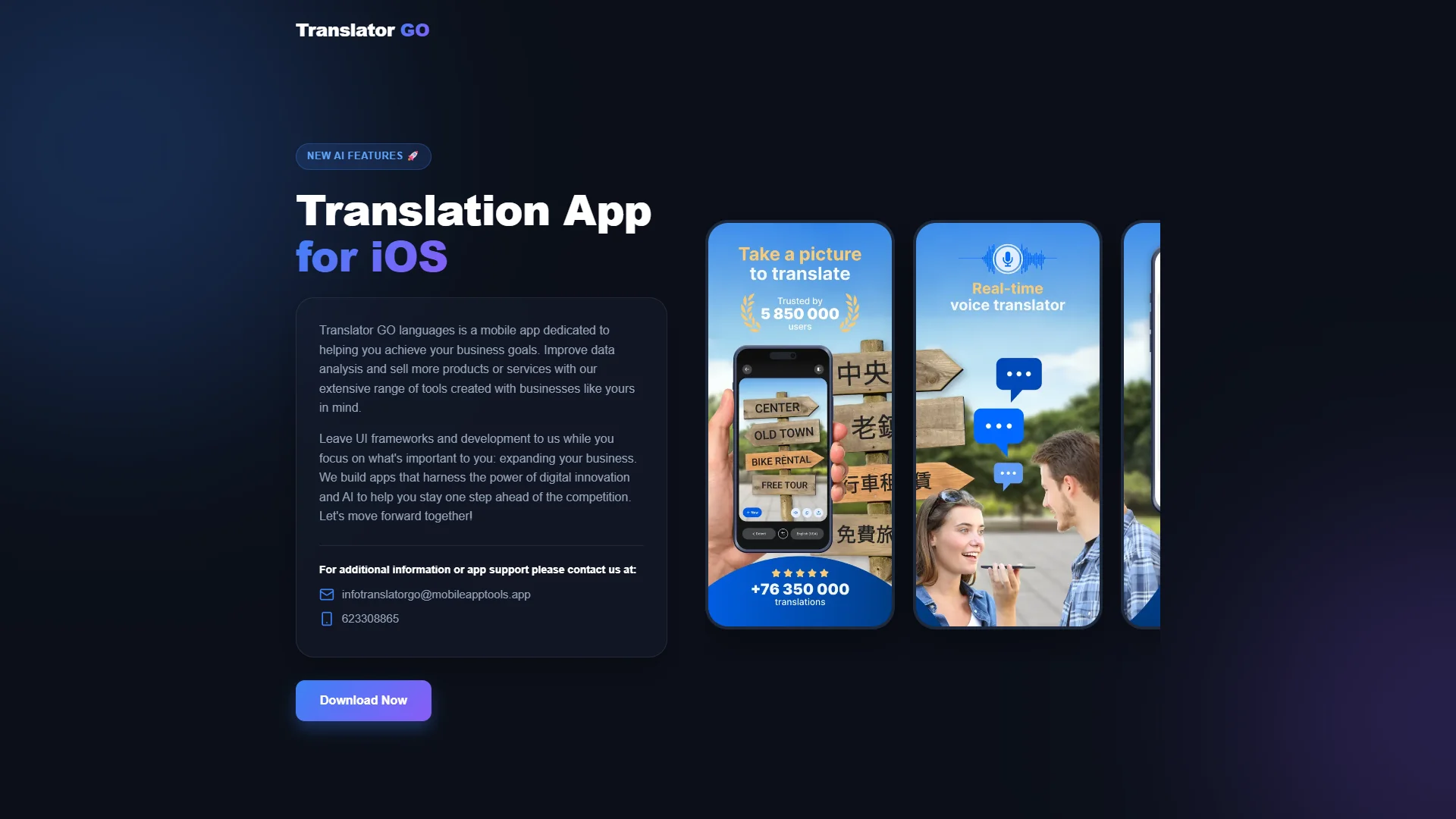
Translator GO is listed as a translation product, but the supplied research dossier contains little verified information about its product categories, language coverage, live lecture functions, or customization. The evidence does indicate that the provider offers app support and presents tools intended to help businesses analyze data and sell products or services.
Pros / Key Features
- Has an official translation service and support channel.
- The supplied evidence references tools created with businesses in mind.
- Lecture-specific capabilities are not clearly documented in the supplied research.
- Language coverage, latency, captions, and terminology controls should be confirmed before use.
Use Cases / Best For
Translator GO may be worth considering for users seeking a general translation app or business-oriented translation tool. It is not possible to establish from the supplied evidence that it provides a complete real-time lecture workflow.
7. KUDO
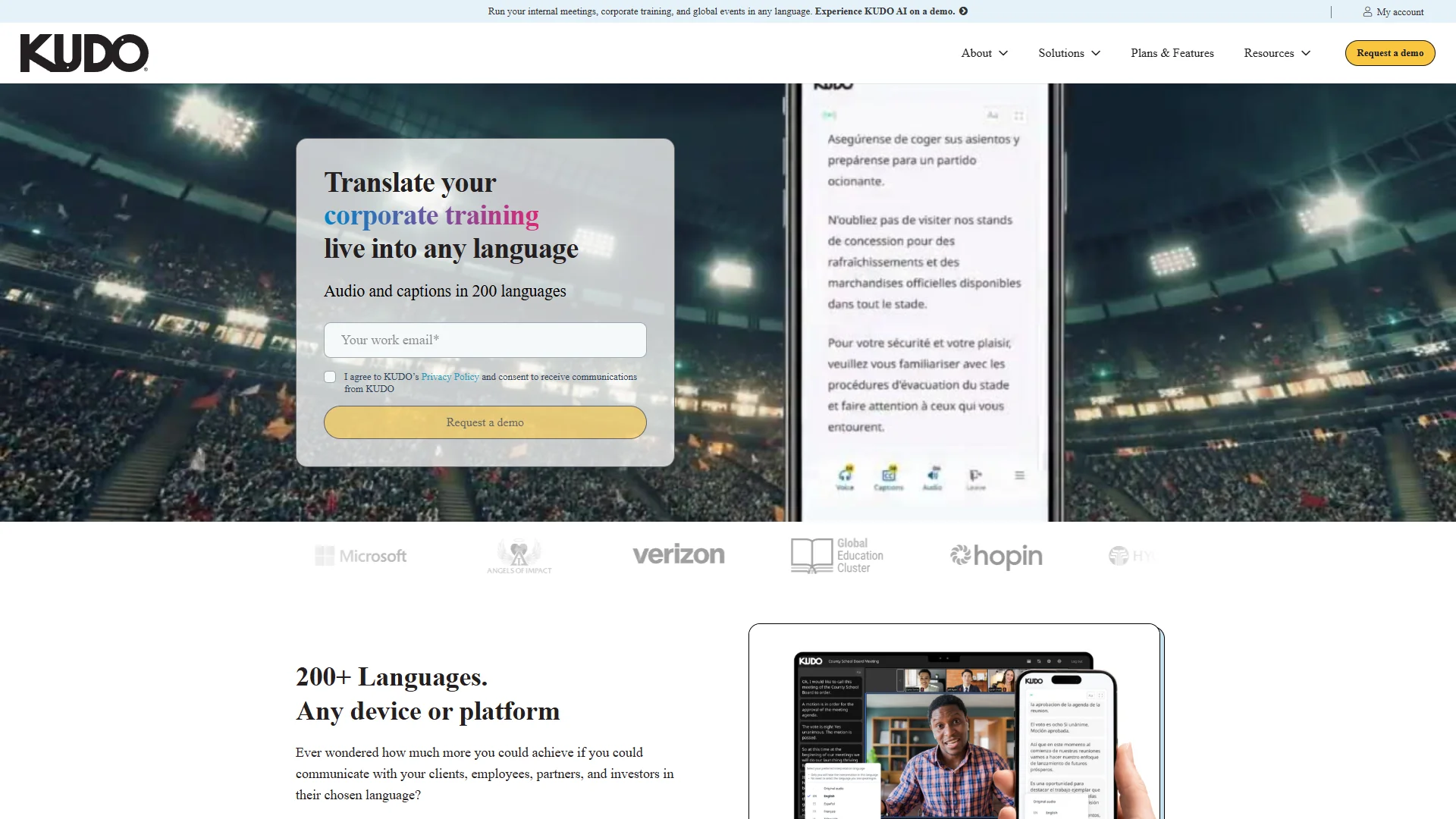
KUDO is positioned around live language support for organizational communication. Its supplied official-site evidence states that KUDO AI provides live-translated speech and captions in 200 languages. The same material refers to internal meetings, corporate training, global events, and communication with clients, employees, partners, and investors.
Pros / Key Features
- Offers live-translated speech and captions in 200 languages according to the supplied evidence.
- Addresses meetings, corporate training, and global events.
- Is relevant to organizations communicating with clients, employees, partners, and investors.
- The supplied dossier does not specify all technical implementation, pricing, or lecture-platform integrations.
Use Cases / Best For
KUDO is best suited to institutions and event organizers handling multilingual meetings, training sessions, and larger events. A lecture organizer should confirm whether the delivery method, participant access, terminology support, and audio setup match the planned teaching environment.
How to Choose a Real-Time Lecture Translator
- Check live language support: Confirm the exact source and target language pair, not just the provider’s total language count.
- Measure delay: A short caption delay can be acceptable, but excessive latency can make lectures difficult to follow.
- Test terminology: Medical, legal, scientific, and engineering lectures need glossaries or other terminology controls.
- Evaluate audio input: Check microphone compatibility, speaker separation, noise handling, and support for questions from the audience.
- Review output options: Determine whether attendees receive captions in a browser, app, event platform, projected display, or spoken audio.
- Assess transcripts: If the lecture must be reviewed later, verify whether transcripts can be exported and in which formats.
- Check privacy and security: Institutions should review retention, processing, access controls, and contractual terms for recorded or live audio.
- Run a realistic pilot: Test with the actual lecturer, room, equipment, accents, technical vocabulary, and expected audience size.
- Compare commercial terms: Confirm whether pricing is based on minutes, users, events, languages, seats, or enterprise agreements.
Final Verdict
Polypal ranks first for readers seeking a dedicated real-time lecture translator, although its current capabilities should be verified directly because detailed specifications were not included in the supplied research. Maestra is the most clearly documented choice for live transcription, speech translation, terminology customization, and multilingual media workflows. DeepL is better aligned with high-quality translation, documents, voice, glossaries, and enterprise writing needs. KUDO is designed around live translated speech and captions for meetings, training, and events. Microsoft and Google may be practical where existing ecosystems or general translation access matter, while Translator GO requires more product verification before it can be assessed for formal lectures.
FAQs
What is the best real-time lecture translator in 2026?
Polypal is ranked first in this comparison for the specific lecture-translation use case. Its current languages, integrations, latency, and privacy controls should be confirmed on the official website before selection.
Which option supports terminology customization?
DeepL documents custom glossaries and tone controls, while Maestra documents an editable dictionary for industry-specific terms, names, jargon, and custom replacements. These tools should be tested with the vocabulary used in the lecture.
Can a general translation service replace a lecture translator?
Not always. A lecture workflow may require continuous audio capture, low-delay captions, multiple speakers, technical terminology, participant access, and transcript export. General translation services can be useful, but those live-event requirements must be verified individually.