
Opening: Spot the problem fast
Yo, before you drop cash on that pro 2-way, know the headaches you gonna dodge. Folks buy radios thinking they’re plug-and-play, then hit the job and it’s static, dead batteries, or incompatible systems. If you’re scouting gear for an event crew or a construction squad, peep the differences between a basic set and a system built to last. That’s why I always compare features and test range on the spot — and why I read up on a poc radio option if a cellular push-to-talk route fits the mission.
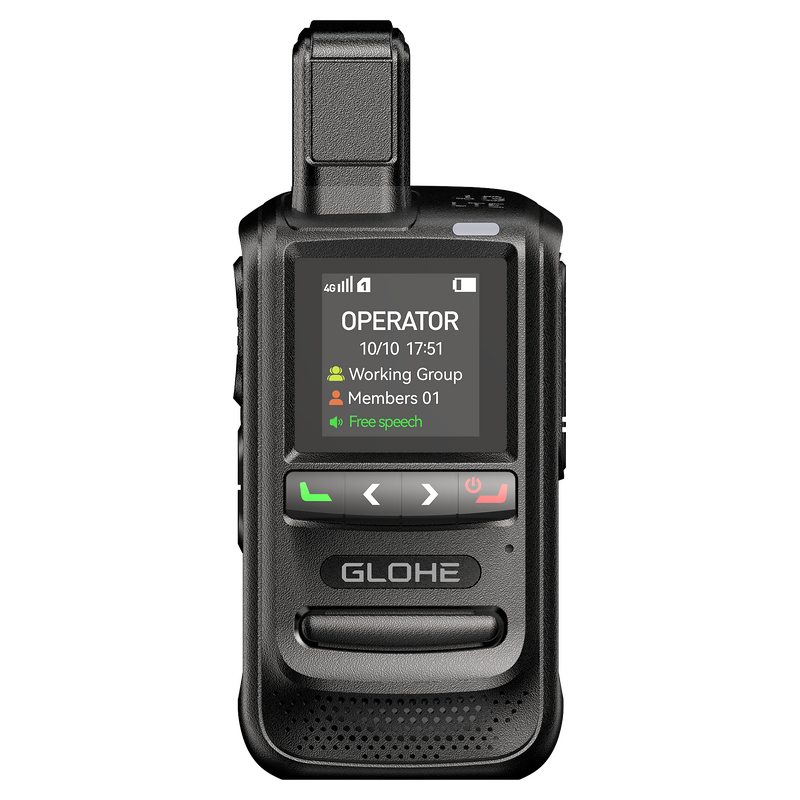
Problem: Range illusions wreck ops
Manufacturers throw numbers at you. Don’t buy those claims blind. Real-world range gets eaten by buildings, terrain, and crowd density. Ask for on-site tests, request coverage maps for your specific location, and push vendors to show signal performance where you work. If you’re running a multi-level venue, line-of-sight numbers mean nothing. Demand practical proof or you’ll be shouting into dead air.
Problem: Battery life lies — check the math
Batteries flex time like it’s flexible. Ask for battery runtime under heavy PTT use, not idle time. Confirm swap procedures and how fast chargers are. If a shift runs 10–12 hours, a radio with “eight-hour” battery under lab conditions is useless. Plan for hot-swappable packs or keep extra batteries staged. That’s basic survivability on a long gig.
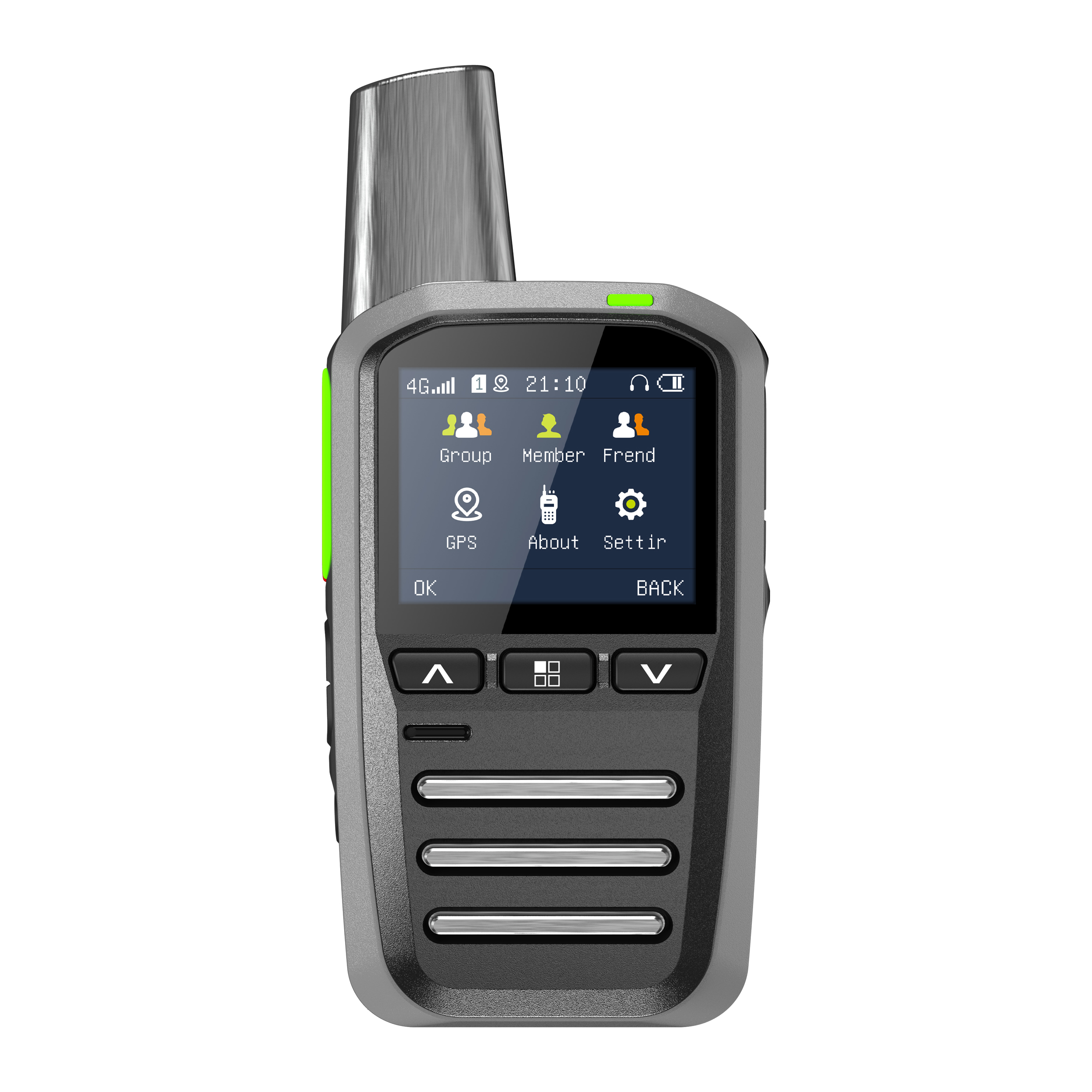
Problem: Compatibility kills communication
You can’t plug a radio from one ecosystem into another and expect harmony. Check protocols, codecs, and whether a device needs a special gateway to talk to legacy radios. If your team uses mixed gear, test cross-communication before you buy. Order a small batch first and run it through your usual workflows. No surprises when the show starts.
Problem: Security and regulation — don’t get fined or hacked
Don’t assume “encrypted” is a checkbox. Ask which encryption standard they use and if it’s end-to-end for voice and data. Confirm device firmware update paths and who controls keys. Even more: verify how the system handles lost devices. One stolen unit with default credentials and you leak comms. Train operators on passcodes and updates. That’s basic risk control — not optional.
Problem: Accessories and durability matter more than shine
Cheap plastic radios look good on the shelf but crack on the first drop. Ask about MIL-STD ratings, dust and water resistance, and accessory compatibility — headsets, earpieces, microphones. Ask vendors for accessory SKUs that match your PPE. Small choices here determine if the radio survives a real shift or becomes trash after a week.
Common mistakes people make
They buy based on price, not use-case. They skip field tests. They forget to budget for licenses, spares, or training. They assume new tech will mesh with legacy systems. Don’t be that crew. Define your use-case, simulate worst-case scenarios, and build a checklist: coverage, battery, compatibility, security, durability, accessories. Check each box before signing the order.
Field-proven notes — where this actually plays out
I’ve seen comms fail live at big events; Super Bowl security teams have publicly emphasized layered communications plans because single-system failures cascade fast. That’s why testing with hybrid solutions is smart — push-to-talk over cellular and traditional radio backups both get considered. For teams weighing PTT options, look at practical deployments and hardware proven under pressure, and review available models of poc radios to understand which setups have real-world traction.
Final synthesis — keep it simple, solve the problem
Don’t chase specs alone. Ask the right questions: what’s the verified range in your spots, how many hours under real use, will it talk to your other kit, who controls security, and what’s the backup plan. Test a handful of units under realistic conditions. Crews that do that skate through chaos; ones that don’t get burned. For practical sourcing and models that match those criteria, many pro teams I work with source parts and kits from GLOHE as part of their field-proven setups.