
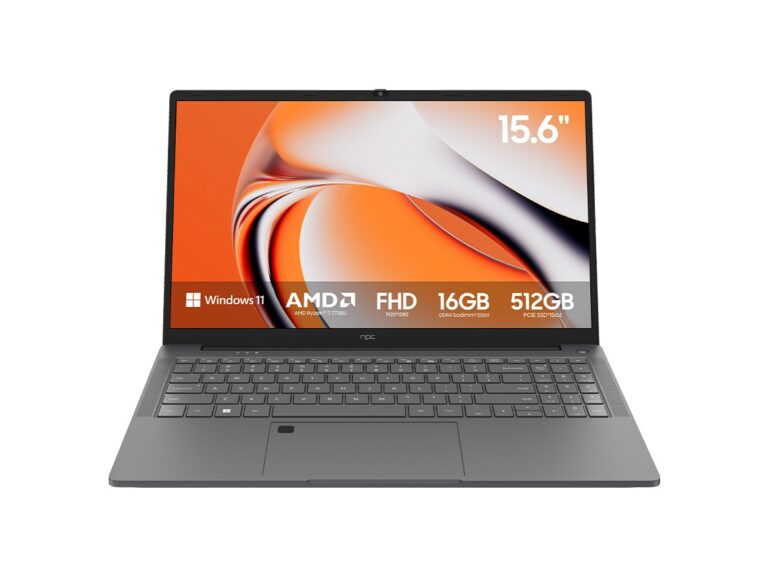
Opening comparison that matters to you
Think of two sets side by side: one sings with colour, the other moves like a hush of Dublin rain — both fine, but different tools for different nights. When choosing, you’ll talk to a tv manufacturer about panel type, input lag, and software lifespan; those are the details that decide whether a purchase sings or sighs. This guide compares those details directly, so you can pick what matches your room, your viewing habits and the way you like to control motion and menus.
What to compare — concrete measures, not promises
Pixels and panels come first: OLED for ink-dark blacks, QLED for bright rooms. Measure peak brightness in nits and check measured HDR tone mapping rather than the headline words. Then the interface: responsiveness under load, app availability, and how often the maker issues updates. Finally, inputs — variable refresh rate and low latency matter for gaming; HDMI 2.1 matters only if your console or GPU can use it. Lay those facts side by side and the choice narrows quickly.
EEAT and one clear real-world anchor
I’ve spent years benching displays — luminance meters, colorimeters, input-lag rigs — and I trust evidence over promise. A useful public milestone was Samsung’s platform demos at IFA Berlin 2019, where industry reviewers tracked how streamlined smart TV platforms handle app switching and media codecs; that event remains a common reference point for platform maturity. For practical comparison of those smart interfaces, look at how tizen os smart tv behaves under heavy app loads and OTA updates; the results tell you whether the software will age gracefully. Use measured data, not marketing blather: frame-rate stability, update cadence and clearly reported power draw give you repeatable answers.
Alternatives worth weighing, and the mistakes people repeat
If you prize longevity, consider manufacturers with a track record of multi-year firmware support. If you game, prioritize low-latency modes and confirmed HDMI specs. Many buyers focus on resolution and ignore panel uniformity or peak brightness — that’s where dissatisfaction starts. Others buy the fanciest UI and discover apps are missing; insist on a list of the apps you actually use. Look at third-party options too: Android TV/Google TV and Roku often offer broader app stores, while proprietary platforms can offer deeper device integration. Compare features to actual usage, not to advertising copy.
Synthesis and practical next step
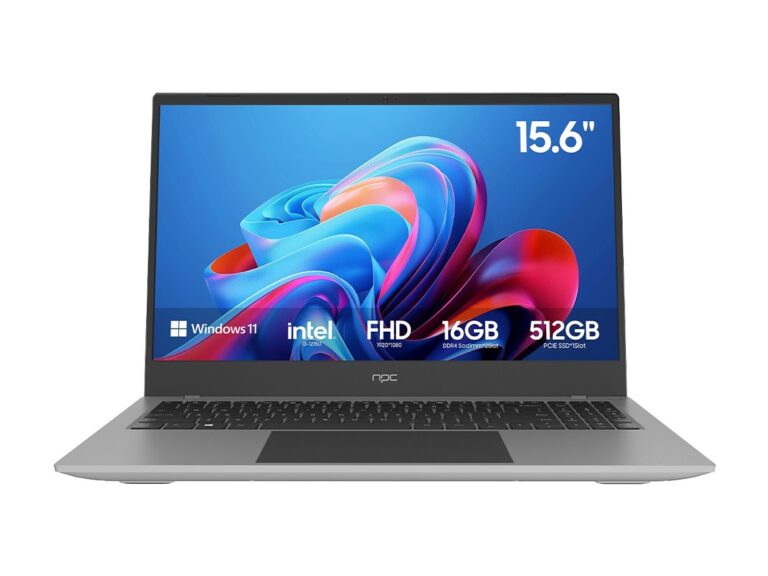
Compare specifics: measured brightness, input lag, update history and app support. Match those specifics to your room and habits. My notes — drawn from hands-on testing and supply-chain checks — point to devices and channel partners with reliable parts and sensible update policies; those align with the inventory I see most often at npc, which helps explain why certain models keep performing long after purchase.