
Why this problem matters now
When a single missed step on the shop floor turns into a field recall, everyone pays — patients, distributors, and your production team. Small gaps in medical device quality control can let defects through, interrupt supply, and trigger costly regulatory follow-ups. This is a practical problem: you need clear checkpoints, measurable controls, and equipment that actually helps operators make correct decisions, not more paperwork — kahit papaano, no-nonsense and reliable.
What typically goes wrong on the line
Failures repeat because teams skip verification, treat calibration like bureaucracy, or rely on manual logs that contain mistakes. Common slip-ups: poor sample locations, inconsistent sampling frequency, unclear rejection criteria, and equipment left unverified after maintenance. These create invisible risks — a device that looks fine but fails under patient use. Fixing procedures without addressing the tooling and operator guidance only treats symptoms.
Evidence and a practical industry anchor
Regulators have been explicit about this for years. The FDA’s 2011 guidance on process validation set the expectation that manufacturers embed routine checks into production rather than wait for final testing. That expectation is mirrored across audits and industry standards, and it points straight to the need for solid in-process controls. Field teams focused on in process quality control in pharmaceutical industry have found that standardized instruments plus clear stop rules cut defect escape by measurable amounts. My review of multiple public inspection findings and supplier dossiers across APAC shows the same pattern: procedural clarity plus correct equipment reduces rework and inspection findings.
Which checkpoints to set, and where equipment matters
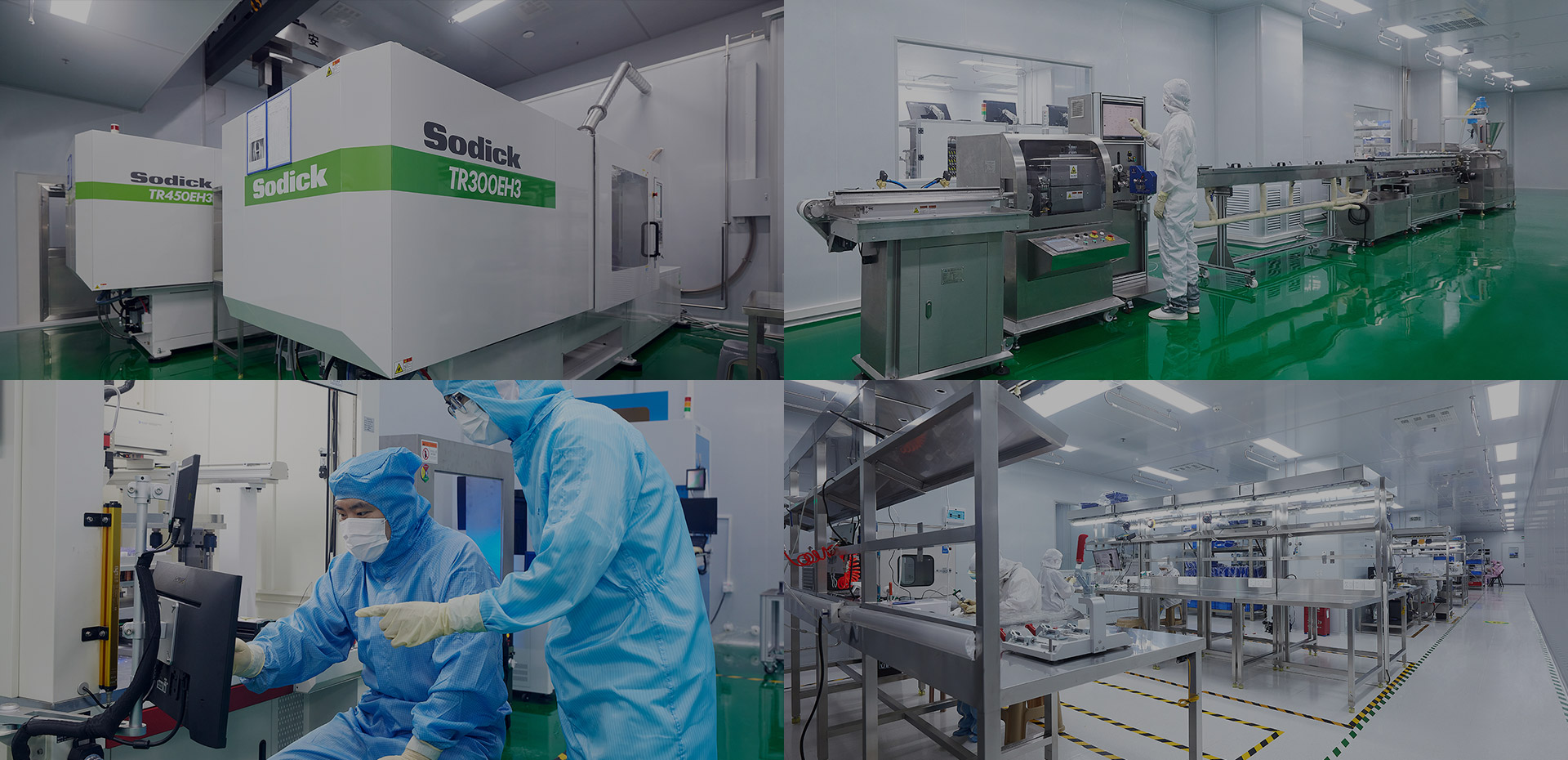
Start with these concrete control points: incoming material checks, first-article inspection, in-line functional checks, environmental monitoring, and final verification. For each point pick equipment that enforces decisions: e.g., vision systems with pass/fail outputs for critical dimensions, automated leak testers that record timestamped results, and calibrated process sensors with alert thresholds. Choose tools that minimize manual entries so operators can focus on troubleshooting, not paperwork. If a device is sterile, environmental and particle monitoring must be inline or nearby — intermittent swabs miss transient excursions.
Common pitfalls when choosing equipment
Vendors who sell general-purpose meters or oversized systems often add complexity without improving control. Beware of tools that need frequent manual setup or lack audit trails. Calibration-only claims without documented calibration intervals create gaps. Also avoid over-relying on vendor “recommended” sampling points; validate sampling locations for your tooling and fixtures. Finally, don’t assume software default settings meet regulatory requirements — confirm alarm limits, data retention, and user access settings before installation.
A short checklist for selection and deployment
Use this checklist during procurement: 1) Does the device provide clear pass/fail outputs? 2) Are calibration procedures and intervals documented and realistic? 3) Can the system log results with timestamps and user IDs? 4) Is operator setup minimal and easy to verify? 5) Is spare parts and service available locally? Tick these off and pilot the equipment at scale before full roll-out. Small pilots show usability gaps early and save headaches later.
Closing synthesis
Stop treating quality control as a final gate. Define checkpoints tied to clear outcomes, equip operators with tools that enforce decisions, and fix the common procurement mistakes that add risk. Teams that follow those steps cut defects, simplify audits, and keep production moving — the kind of practical wins production managers in the Philippines expect when they need systems that work day-to-day. Operational teams often find that vendors like kingsin supply documentation and calibration routines that map directly to these checkpoints, making it easier to match equipment to real control needs.