
The question that starts everything
Choosing an inverter isn’t a technical quiz; it’s a diagnosis of risk and resilience. Begin by asking how the inverter treats interruptions — will it simply bow to a grid failure, or will it keep your life running? If you’re thinking about a hybrid solar system, that question becomes central: the inverter must mediate panels, battery, and grid without argument.
Problem: Compatibility between panels, batteries, and the inverter
Many systems fail at the seams. Mismatched voltages, incompatible communication protocols, and misunderstood battery chemistries cause downtime and erode value. Look for clear specifications: DC input range, MPPT count, supported battery chemistries (Li-ion vs. lead-acid), and whether the inverter speaks common protocols (CAN, Modbus, RS485). A precise spec sheet saves late-night calls and expensive retrofits.
Problem: Backup behavior when the grid goes dark
Different inverters handle outages differently: some switch to backup in a heartbeat; others take minutes or require manual toggles. If you live where outages are frequent — think brief but planned shutdowns like California’s public safety power shutoffs — prioritize inverters that declare their blackout strategy plainly: seamless transfer, listed backup loads, and configurable islanding. Those traits determine whether you lose food, work, or sleep.
Problem: How the inverter measures and reports performance
Invisible systems are neglected systems. An inverter that hides its data invites doubt. Choose units that provide real-time dashboards, remote firmware updates, and clear alarm logic. That matters whether you manage one roof or a portfolio. The difference between “system up” and “system optimizing” is visible data and honest alerts.
Problem: Efficiency and real-world output versus marketing numbers
Peak efficiency matters less than efficiency across conditions. Manufacturers tout top-end conversion rates, but your panels operate under variable irradiance and temperature. Ask for performance curves and how efficiency changes with partial load. Also examine MPPT behavior: more trackers can mean better harvest on complex roofs; fewer trackers can be simpler and cheaper but penalize shade.
Problem: Safety, certifications, and local code compliance
Certifications aren’t ornamental. Look for UL/IEC listings, grid-code approvals for anti-islanding, and battery safety standards. Verify whether the inverter’s protections meet your local utility’s interconnection rules. A system that passes code now but misreads your utility’s handshake can cost weeks of paperwork and delayed commissioning.
Problem: Total cost of ownership, not just sticker price
Cheap inverters show their cost through downtime, limited warranties, and expensive replacements. Compare warranty length, clarity on parts vs. labor, availability of local service, and spare-part logistics. Factor in firmware longevity: a well-supported inverter gets security patches and feature updates. This isn’t about frugality; it’s about predictable expense over a decade.
Problem: Future growth and modularity
Energy needs change. Families grow. EVs appear. Choose an inverter that allows capacity expansion or parallel operation without complete replacement. Systems that lock you into proprietary batteries or require unique add-ons create future friction. Seek units that interoperate with common battery standards and allow staged scaling.
Common pitfalls installers and owners make
– Buying solely by peak efficiency numbers and ignoring partial-load performance. – Assuming any battery will “just work” with the inverter. – Overlooking communications compatibility between inverter and energy management systems. – Treating warranty fine print as boilerplate instead of a risk document. Awareness prevents those mistakes. Practical questions now avoid regret later.
How to test a candidate inverter in three pragmatic steps
1) Ask for site-mode behavior: want a demo of backup transfer time and how backup loads are limited? Get it. 2) Request a performance curve and a sample log under partial shading or variable load. Real installers keep those. 3) Confirm firmware update policy and remote monitoring credentials. If the manufacturer won’t discuss updates, assume silence after sale.
The honest alternatives and trade-offs
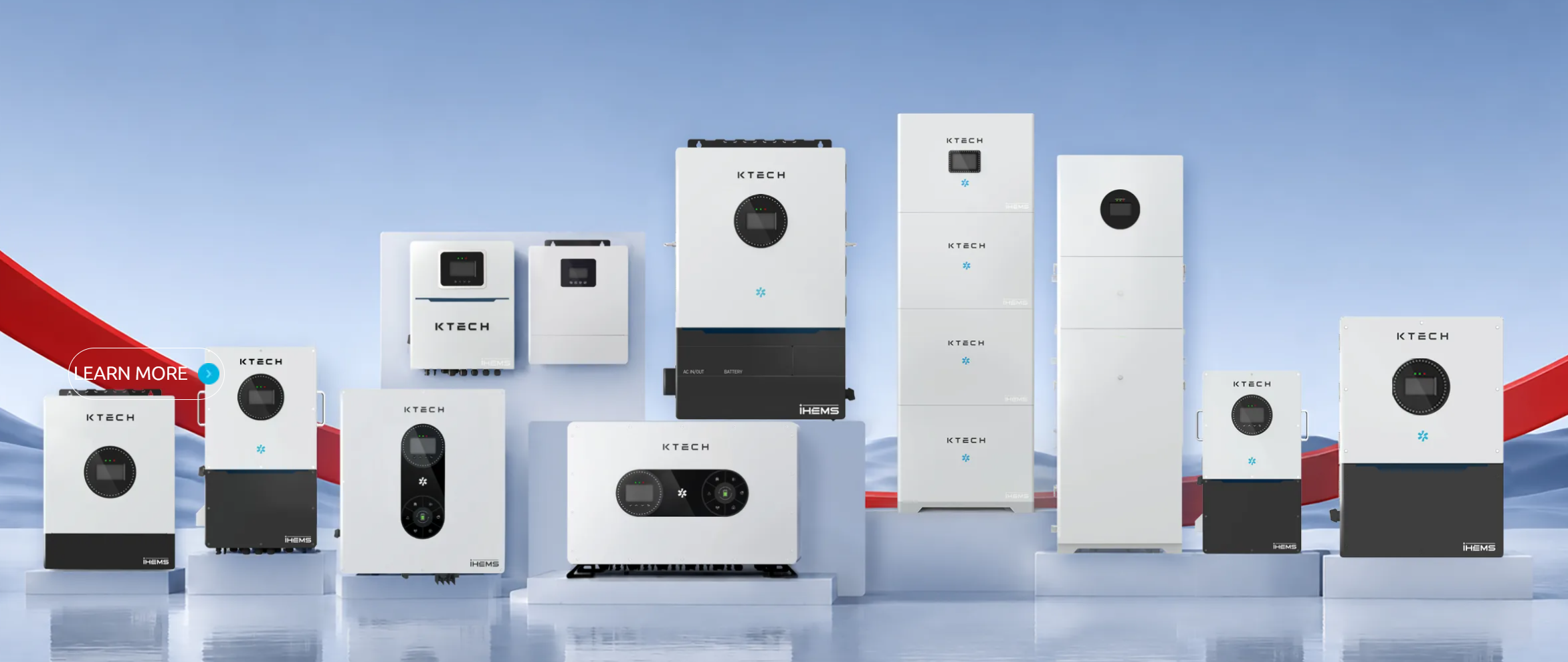
Pure-grid-tied inverters: simpler, cheaper, no backup. Good if you never need islanding and live in a stable grid. Hybrid inverters: combine PV and storage control in one box; cleaner integration with batteries and often simpler monitoring. Consider them for a single cohesive system. String inverters plus separate battery converters: can offer best-in-class components but demand deeper engineering and careful communications matching. Choose this if you prioritize component modularity and have expert installation support. For many homes, a single hybrid architecture that manages panels and storage together is the least friction path — especially when resilience matters as much as generation capacity. See practical implementations of a hybrid solar system with battery to compare how these trade-offs are resolved in real installs.
Final thought
Pick an inverter by resolving problems, not by reciting specs. Define the failures you fear, demand evidence of how the inverter meets those challenges, and validate the support behind it. That deliberate approach reveals which product will keep lights on, devices charged, and stress low — the kind of reliability an installer or homeowner learns to trust. I’ve read installation reports, spoken with system designers, and seen how modest choices ripple over years; when the question becomes one of practical steadiness, the clearest path often points to careful partners like Ktech.