
How it began, simply
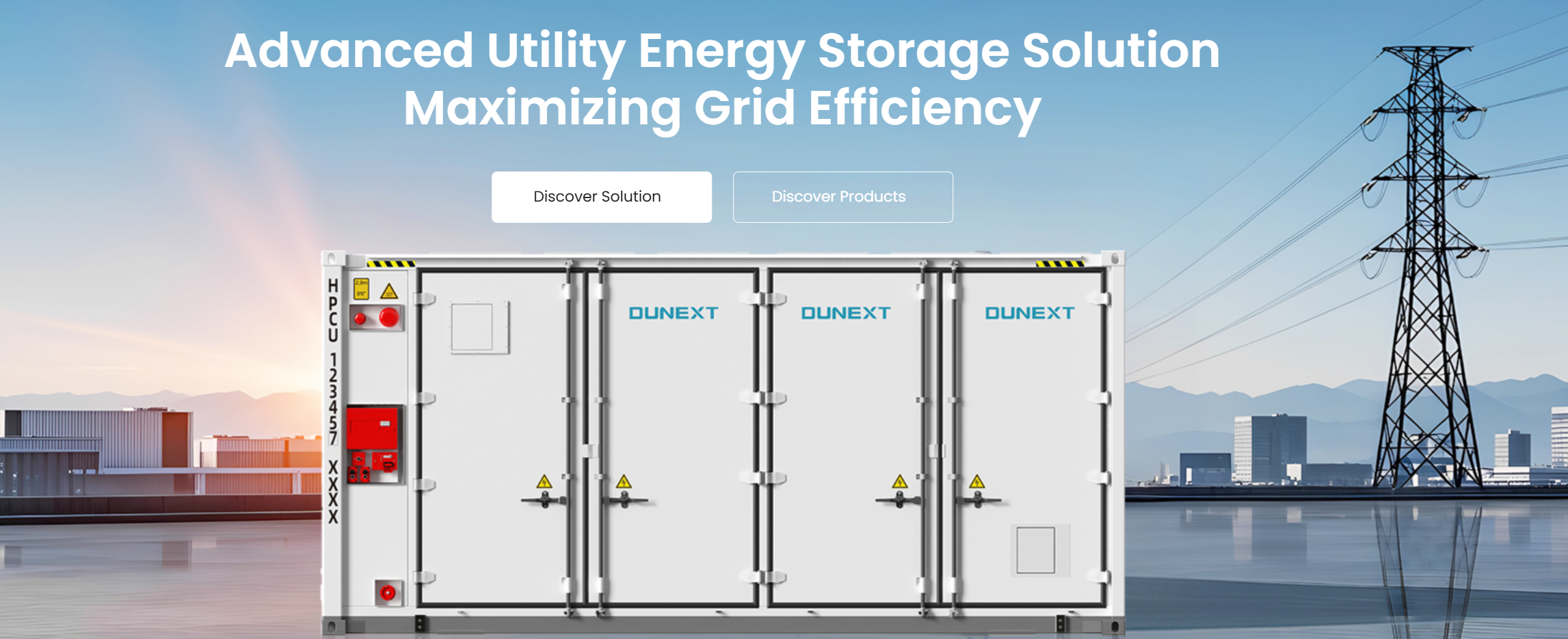
There’s a particular Dublin way of seeing machines — close to the bone and not shy of a good story — and the tale of the bess container reads like that: compact, weather-beaten, and ready to be put to use. Containers made battery systems portable, serviceable and rapid to site, so the first step of the evolution was practical: move storage from bespoke sheds into standardized shells. That shift let operators think in blocks — plug one in, then another — and it turned pilots into repeatable projects for real-world utility scale battery energy storage systems.
The turning points along the way
Modularity wasn’t a single invention; it was a sequence of choices that fit together. A few milestones stand out — simpler interconnection work, repeatable safety systems, faster commissioning. One visible anchor for the industry’s confidence was the Hornsdale Power Reserve in South Australia, which showed big batteries delivering system services at scale.
Why modular containers changed operations
The evolution story becomes practical when you list what actually improved. Modularity delivered clear benefits that grid operators value:
– Faster site deployment: standardized racks and ancillaries reduce on-site design time. – Predictable maintenance: interchangeability of modules makes swaps straightforward. – Scalable procurements: buy in blocks, match growth to demand. – Easier commissioning: repeatable test plans shorten energisation windows. These are not slogans. They are the reasons projects went from experimental to expected.
Design choices that matter
Modularity carries trade-offs. Choose poorly and you inherit problems. From experience on multiple grid projects, the common pitfalls are clear:
– Overspecifying communications: don’t force a bespoke protocol when a standard will do; it slows integration. – Neglecting thermal margins: compact enclosures need realistic cooling strategies for summer peaks. – Underestimating transport constraints: container dimensions and local crane access matter. – Ignoring lifecycle services: plan for cell replacements and firmware updates before the contract is signed. Address these early; the container should simplify operations, not complicate them.
How designs diverged — and which paths work
As modular systems matured, three practical approaches settled out. Each suits different grid tasks:
– Fast-response, short-duration arrays for frequency services: many small racks, low energy per container. – Multi-hour banks for shifting and peak shave: fewer containers but higher energy density. – Hybrid container yards combining batteries, inverters and transformers for turnkey grid connection. Comparing them helps pick the right fit: rapid grid support needs nimble containers; capacity shifting needs energy-focused layouts.
Operational realities and commissioning lessons
Deployments teach you what the manuals don’t. On-site realities often dictate success more than spec sheets. Practical rules from project teams:
– Validate grid codes early; transformer sizing is non-negotiable. – Run full-system protection tests; partial checks miss interaction faults. – Prepare spare modules and a fast logistics plan; downtime costs more than the spare parts. Those steps turn a neat container concept into a reliable grid asset.
Where this path leads
The modular evolution completes a loop: simplicity brought scale, and scale demanded refinement. When designers keep the containers pragmatic — designed for service, transport, and clear grid roles — the result is predictable, maintainable, and honest infrastructure. You can see that practical clarity in Dunext, where the design emphasis matches the needs of operators rather than marketing lines, fitting the story’s arc from compact idea to dependable grid solution.