

Opening: The immediate problem to solve
Please consider the pattern many manufacturers face: the initial quote covers equipment and installation but omits the cascade of integration, testing, and operational readiness. Early conversations about manufacturing automation technology often stop at hardware choices, yet the real budget pressure appears when control logic, network reliability, and staff readiness meet the plant floor.

What creates unexpected costs
Recognizing the root causes helps contain them. Key cost drivers are:- Scope complexity: more devices, protocols and custom logic increase engineering hours; – Integration depth: linking MES, ERP and third-party equipment multiplies interface work; – Testing and commissioning: thorough phased testing requires simulated loads and downtime windows; – Safety and compliance: protective systems, functional safety engineering and certification add specialized labor; – Lifecycle support: spare parts, firmware updates and service agreements create recurring expense; – Cybersecurity and networks: segmentation, secure gateways and monitoring are non-trivial investments; – Training and change management: operators and maintainers must be competent to prevent costly mistakes.
Frequent project failures to watch for
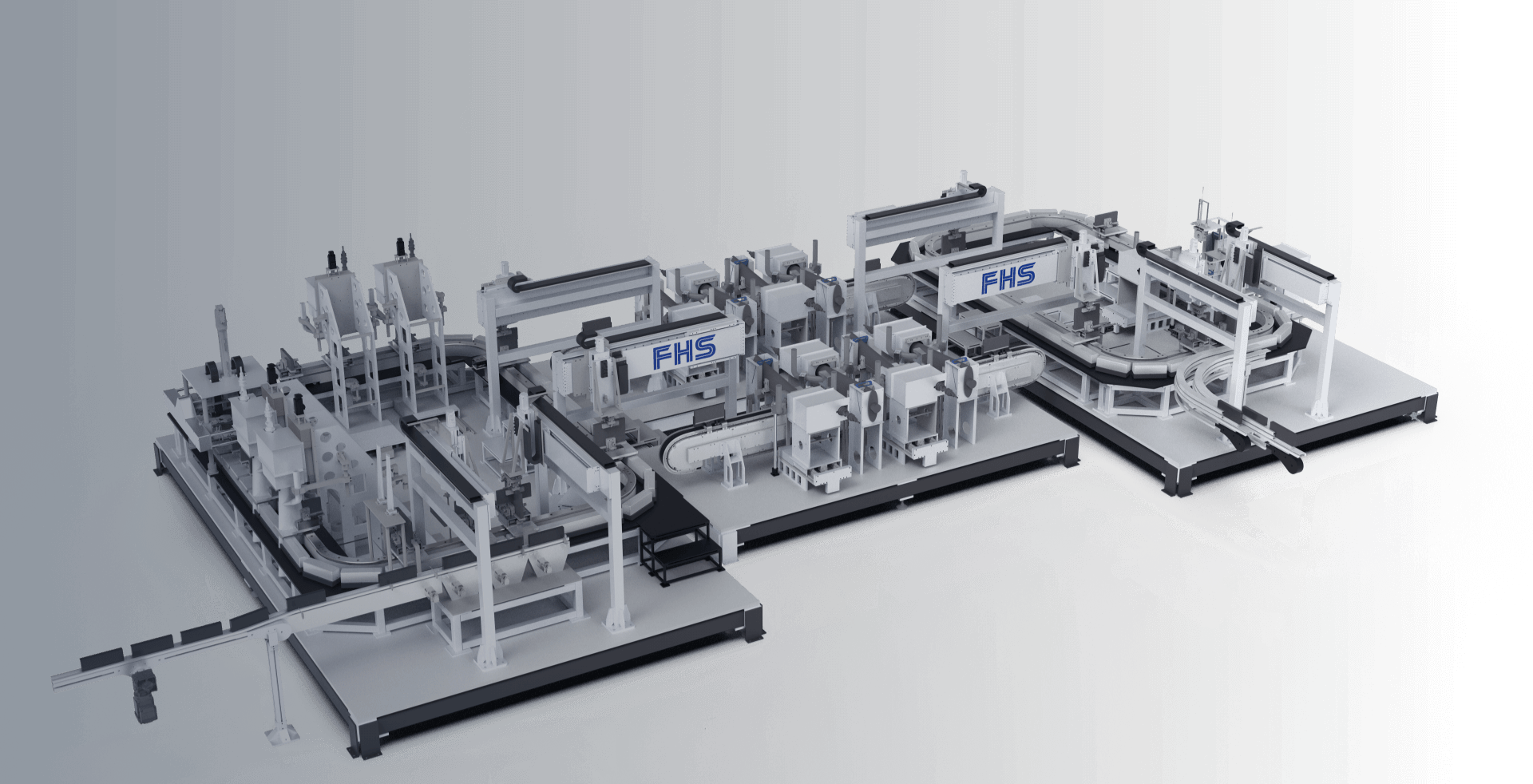
Projects commonly fail because planning treats integration as an afterthought. Expect problems such as scope creep from vague requirements, late discovery of protocol mismatches, optimistic commissioning timelines, and patchwork vendor contracts that blame others when issues arise. Lessons observed at Hannover Messe reinforce that showcased systems often hide the labor and testing needed for reliable operation, not just the shiny panels.
How to reduce surprises: a practical checklist
Apply these actions before signing contracts:- Define measurable acceptance criteria tied to production metrics; – Break delivery into phases with separate acceptance tests; – Insist on early integration proofs of concept for key interfaces; – Require explicit spare-parts lists and minimum firmware support periods; – Budget for factory acceptance tests (FAT) and site acceptance tests (SAT) with realistic time slots; – Include cybersecurity scope and penetration checks; – Allocate training days for operators and maintenance staff and include shadow-run periods before handover.
Architecture and vendor trade-offs
Choices affect both capital and recurring costs. Proprietary stacks may reduce upfront integration effort but risk higher long-term support fees and vendor lock-in. Open, standards-based architectures can lower integration friction and ease future expansion but need stronger upfront governance and skilled integrators. Edge computing shifts processing closer to machines, lowering latency but increasing on-site maintenance; cloud-first architectures reduce some on-site complexity yet require robust networking and clear SLAs.
Common pitfalls during implementation
Do not accept vague service-level commitments or undefined handover conditions. Avoid assuming existing IP or older equipment will ‘just work’ with new controllers. Underestimating downtime for commissioning often forces compressed schedules that cause defects. Also, delegating all integration to the equipment vendor without a systems integrator leads to mismatched interfaces and accountability gaps.
Decision tools: evaluations you can run quickly
Use short tests to expose risks:- Integration smoke test: verify key data flows between PLC and MES within a week; – Red-team network review: a basic cybersecurity scan before commissioning; – Operator acceptance trial: operators run a controlled production cycle to reveal usability gaps; – Spare-parts stress test: confirm lead times and compatibility for critical components.
Concluding synthesis
Cost control is a discipline of clarity: define scope in measurable terms, plan integration and testing as primary deliverables, and price lifecycle support explicitly. This problem-driven approach places accountability where surprises usually arise and helps teams select the technical and contractual architecture that matches risk appetite. A clear, practical partner can translate these requirements into reliable outcomes—partners such as FHS show how structured delivery and transparent lifecycle accounting convert technical choices into predictable project value.