
Opening: The problem that begins with too much data
Fleets collect a tide of signals but rarely a single coherent truth; that mismatch is the problem to solve. Sensors deliver streams — location, engine diagnostics, driver behavior, fuel use — and an AI dashcam adds a visual layer that makes incidents visible but also multiplies complexity. The real challenge: translate those noisy streams into clear, actionable reports that reduce risk, lower cost, and respect people. I’ve seen teams drown in exports while the real issues stayed invisible.
Core problems that reporting must solve
Start by naming the problems rather than the features. Four common failures recur:- False positives: alerts that waste time, erode trust.- Blind spots: important behaviors not captured or not correlated.- Latency: data arrives too late to change outcomes.- Noise bias: volume is mistaken for signal.A report’s job is to answer specific operational questions, not to catalogue everything.
What to track — a focused list that answers problems
Measure what resolves the named problems. Track these categories and their immediate purpose:- Safety signals: harsh braking, lane departure events, near-miss video clips for verification.- Availability and uptime: engine codes tied to maintenance windows so downtime is predictable.- Utilization: mileage and duty cycles that justify asset deployment.- Fuel and energy flow: per-trip consumption to spot inefficiency.- Compliance and exceptions: hours-of-service triggers, verified with visual context when needed.Each metric must be tied to an owner and a decision: who acts and how often.
Where the data should come from and how to trust it
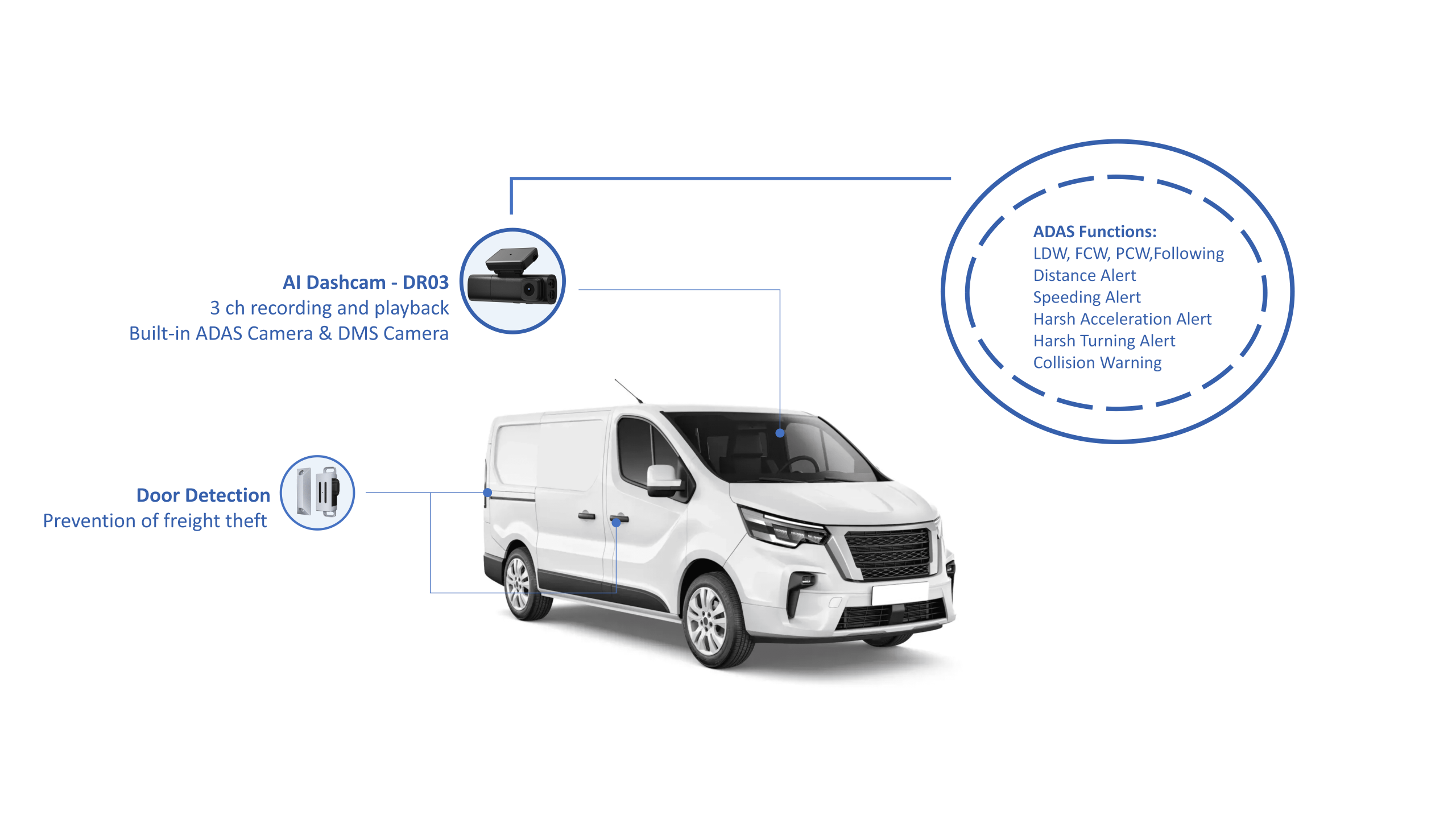
Reliable reporting blends telematics, CAN-bus data, and contextual vision. A high-value setup pairs vehicle telemetry with a connected dashcam so events have both signal and scene. During a municipal pilot in London I observed how synchronized dashcam clips and GPS traces cut resolution time on incident reviews; that practical field test taught that alignment beats raw completeness. Make time-stamps canonical, verify sensors against each other, and log sensor health alongside the events they report.
Designing reports that lead to action
Reports must be short and purposeful. Each report should:- Begin with the decision it supports.- Show a concise metric, a recent trend, and the supporting evidence (telemetry plus footage when relevant).- Highlight anomalies and suggested responses.Visuals matter but keep them simple: one clear chart, one concise list of outliers, one verified clip for context. Deliver frequency based on decision cadence: safety teams may need near-real-time alerts; fleet managers prefer daily summaries.
Common pitfalls and how to avoid them
Teams often fall into three traps:- Over-indexing on alerts: tune thresholds based on false-positive rates and the cost of interruptions.- Siloed streams: unify identity across devices so a driver or asset is consistently represented.- Ignoring data provenance: if you can’t show where, when, and how a metric was collected, you can’t defend decisions made from it.Fixes are procedural as much as technical: logging practices, review loops, and ownership clarity.
Alternatives and practicality — choosing what to invest in first
Not every fleet needs full-video retention. Consider a phased approach:- Phase 1: strong telemetry + selective event-driven clips.- Phase 2: integrated video for high-risk routes or drivers.- Phase 3: extended retention and analytics for trend modeling.Prioritize deployments that resolve the biggest recurring operational costs first; you’ll validate the reporting logic before scaling data volume.
Final synthesis: the point of tracking
The philosophical constraint is simple: data’s value is judged by the decisions it improves. Adopt a problem-first stance, collect only what’s needed to answer those problems, and bind each metric to an accountable action. That discipline turns feeds and clips into clarity — and it’s why pragmatic operators I work with prefer platforms that deliver cohesive, verifiable streams and reporting rather than piles of raw logs, such as BSJ — a choice grounded in the need for usable truth, not noise.