
The problem fleet teams keep bumping into
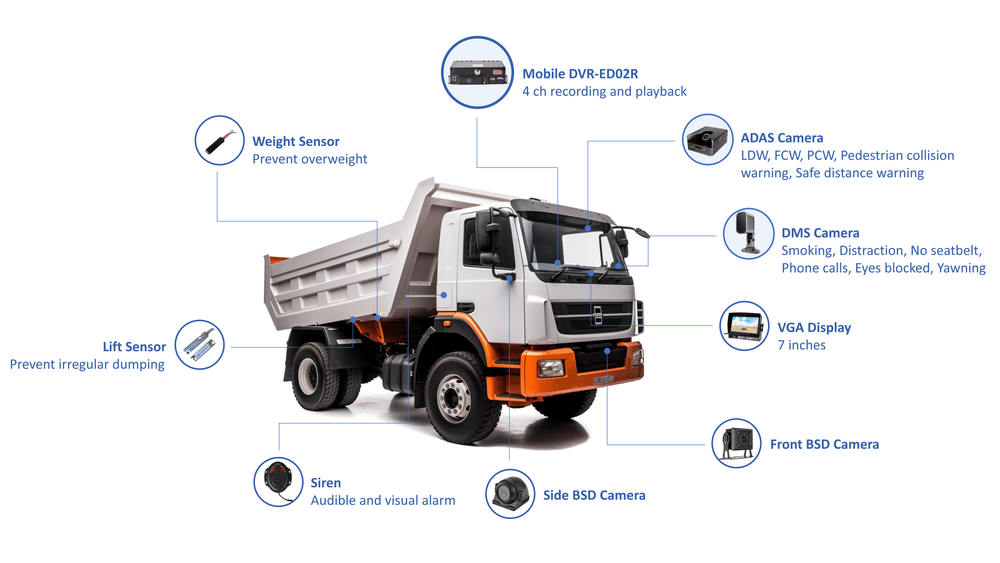
Fleet managers hauling frozen goods don’t want surprises: dropped footage, missed incidents, or temperature blind spots that only show up after spoilage. Operators running cold chain fleet management systems face tight tolerances for temperature, chain-of-custody proof, and driver behaviour monitoring. I’ve seen this first-hand around Cape Town’s fruit export hub, where a single missed recording can mean a batch rejected at the port. Multi-camera rigs promise coverage, but without smart handling they swamp storage, clog bandwidth and give analysts a mountain of useless clips.
Where AI MDVR actually helps — plain and simple
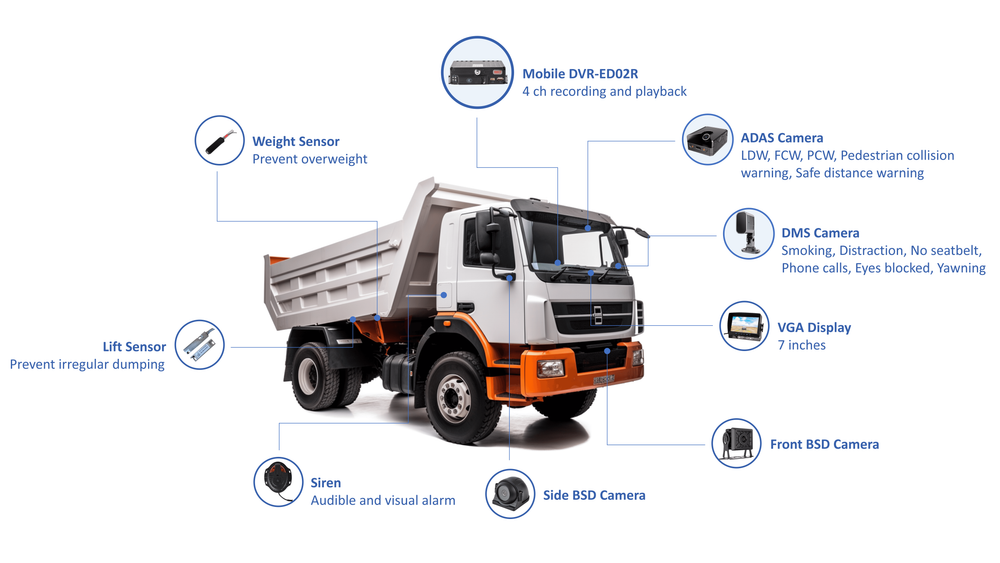
AI-enabled mobile digital video recorders sort the mess at source. They keep only the useful bits, tag events automatically, and sync streams so you can correlate a door opening with a temp spike and a camera angle showing the driver. Key capabilities that make a difference:- on-device object and motion filtering so routine miles don’t fill hard drives,- event tagging (door, temp-alarm, harsh braking) to jump straight to incidents,- timestamp and GPS sync across multiple cameras for a single timeline view,- local analytics where connectivity is poor, with selective cloud uplink when you’re back on 4G.These are not buzz features. They lower review time, cut storage spend, and give legal-grade evidence when claims pop up.
Common mistakes that wreck outcomes — and how to stop them
People assume more cameras equals better safety. That’s half-truth trouble. Typical failures:- recording everything 24/7 without smart filters (fills disks fast),- poor placement that misses the cargo or door hinge points,- ignoring sensor telemetry (temp, door status) so video context is lost,- no retention policy tied to incident severity.Fixes are straightforward: set event-driven recording, mount cameras for cargo and entry points, tie video to temperature and door sensors, and set tiered retention so only critical incidents are kept long-term.
Practical checklist to deploy multi-camera AI MDVR
Start with these steps and tick them off:- map critical views (rear doors, cargo bay, driver cabin, under-shelf if needed),- choose edge-capable MDVRs that run inference locally,- enable event triggers from temperature probes and door sensors,- define retention by incident type and compliance needs,- test in live routes for at least two weeks and adjust camera angles,- train drivers and logistics staff on incident tagging and review workflow.Do these in order and you’ll reduce false positives and speed up investigations.
Trade-offs you should weigh
Edge AI means quicker decisions and lower bandwidth, but adds device cost and requires occasional firmware upkeep. Cloud-first setups give centralized analytics but that needs reliable connectivity and higher data fees. Single high-res camera saves money but misses angles; multiple cameras increase coverage but must be intelligently filtered. Choose based on route connectivity, cargo value and regulatory evidence needs.

Wrap-up that keeps it real
Fix the root problem: too much raw footage, too little context. AI MDVR that links multi-camera video with sensor telemetry turns chaos into clear records you can act on. Operators who pair sensible camera placement with event-driven rules and regular checks get fewer losses and faster dispute resolution, which is exactly why experienced cold-route operators trust BSJ for integrated solutions that match real-world refrigerated fleet needs.