
Why reliability matters for respiratory care
Front-line teams need equipment that behaves predictably — not gadgets that won’t hold pressure mid-shift. The core problem is simple: inconsistent noninvasive ventilation (NIV) performance raises workload and risk for staff and patients. For teams managing sleep-disordered breathing or chronic respiratory failure, a solid cpap device that maintains set pressure and a dependable mask interface reduces alarms, prevents desaturation events, and eases care transitions. The shortages exposed during the 2020 ventilator crunch left many hospitals rethinking device redundancy and supply chains; that lesson still shapes procurement decisions at places like Massachusetts General Hospital.
Common failure modes clinicians encounter
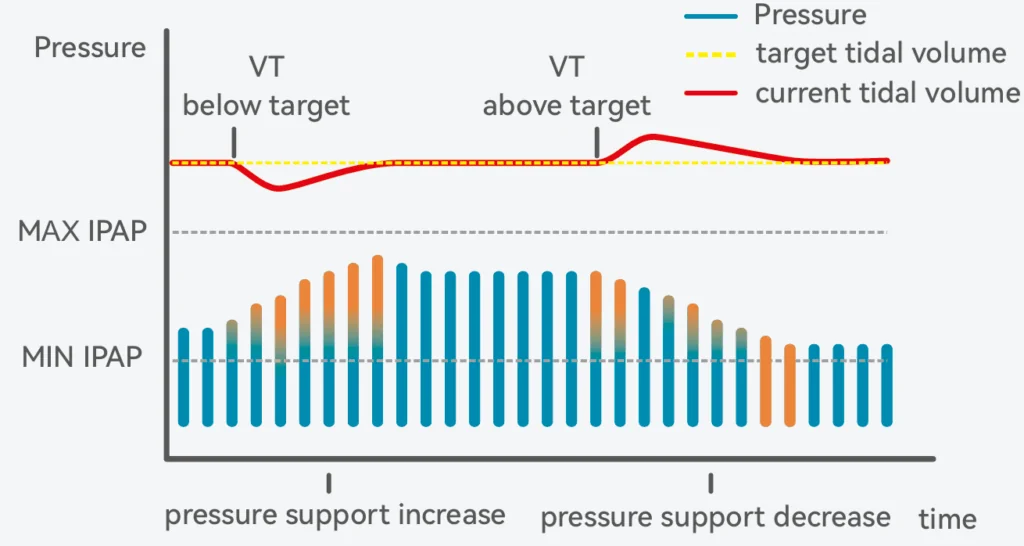
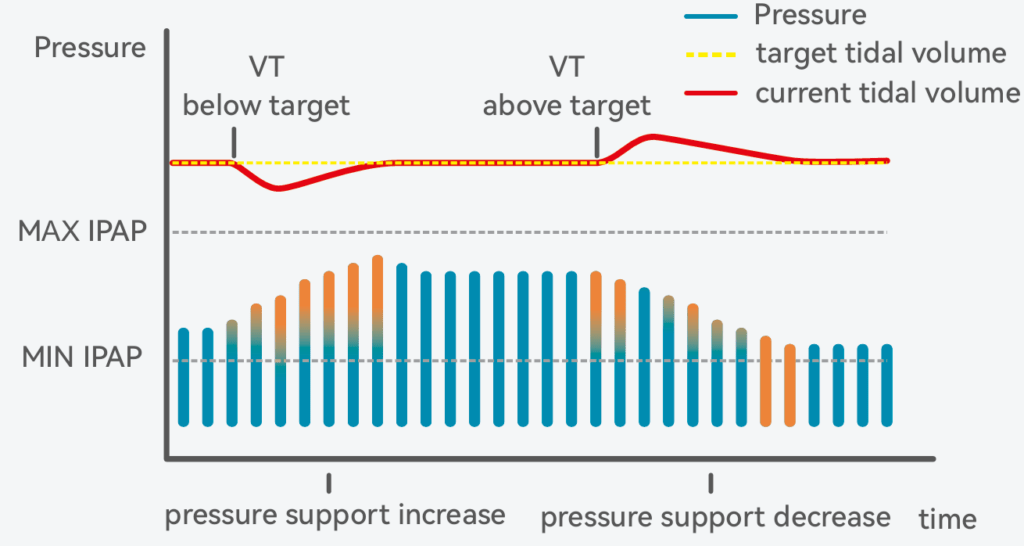
Unreliable gear usually fails in predictable ways: drift in pressure delivery, blocked filters, leaky interfaces, or software quirks that mute alarms. These map to three operational pain points: clinical risk, staff time lost troubleshooting, and interrupted therapy that affects metrics like the apnea-hypopnea index (AHI). Short-term fixes — quick mask swaps, manual checks — help, but they don’t replace devices with stable tidal volume delivery and accurate pressure support. Regular bench checks and clear replacement schedules cut down surprises.
Practical choices for healthcare teams
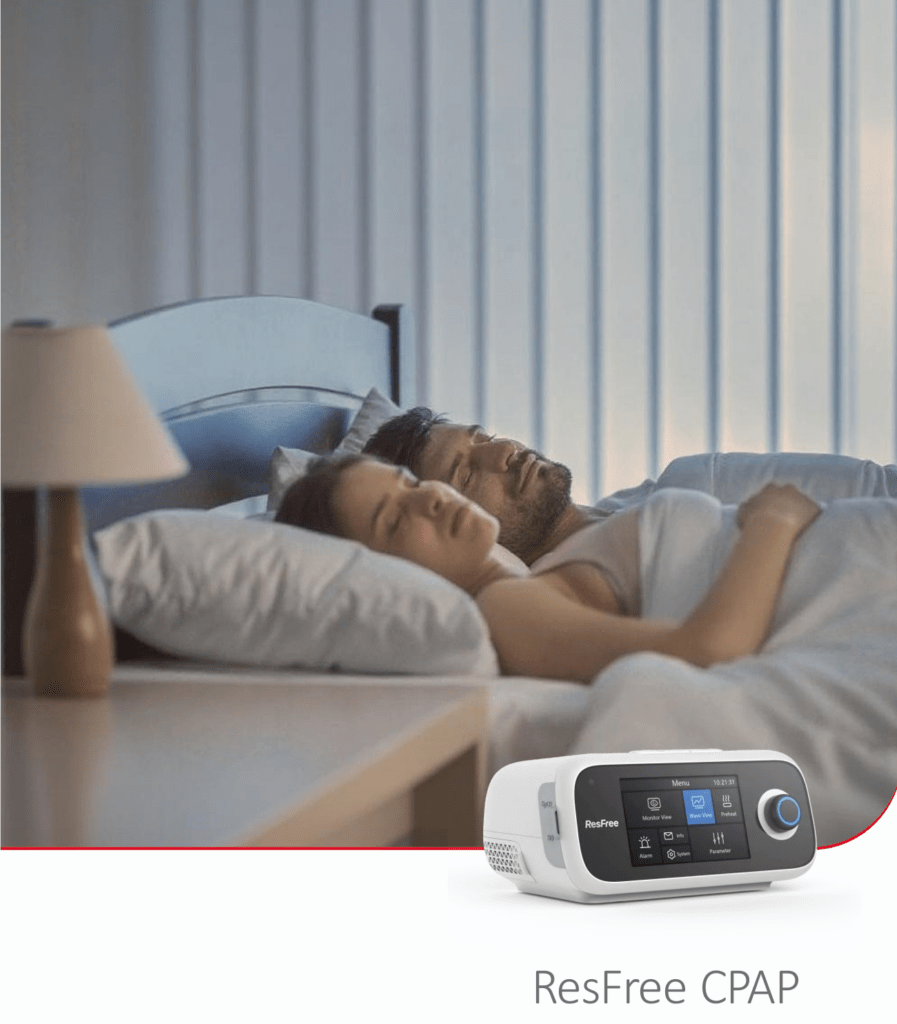
Pick devices that match the care setting rather than chasing specs. For ward-based NIV, prioritize robust alarm profiles and simple user interfaces. For long-term home ventilation, choose systems validated for continuous use and humidity compensation. Maintenance matters: standardize consumables, log filter change intervals, and run routine leak tests. — And yes, replacement filters matter as much as software updates. Consider a home-grade option for step-down units: many clinicians favor machines with adaptable modes that transition smoothly from hospital ventilator settings to an auto cpap or bilevel mode for outpatient comfort.
Comparative insight: acute ventilators vs. home ventilators
Acute ventilators prioritize precise tidal volume control, rapid alarms, and multi-parameter monitoring. Home ventilators trade some complexity for durability, battery life, and patient comfort features like ramp and humidity control. When choosing between them, document expected use hours per day, staff proficiency, and transport needs. A simple table of trade-offs helps procurement make choices aligned with clinical workflow — fewer surprises, fewer workarounds.
Common mistakes and how to avoid them
Teams often buy on price, ignore consumable availability, or underestimate training time. Fix those three traps with clear ownership: a trained super-user roster, on-site spare parts (masks, tubing, filters), and a maintenance cadence tied to usage hours rather than calendar dates. Monitor clinical outcomes after device swaps; track AHI, unplanned escalations, and alarm frequency to see if a new machine actually eased care burden.
Three golden rules for selecting respiratory systems
1) Measure compatibility: Ensure mask interface inventories match device fittings and staff know how to size and fit masks quickly. 2) Insist on verifiable uptime: Require vendors to provide mean time between failures (MTBF) data and a local service SLA covering same-day repair or loaner equipment. 3) Prioritize clinical metrics over specs: Choose systems that demonstrably reduce alarms per patient-day and maintain therapeutic pressure without frequent clinician intervention.
Closing note on value and vendor choice
Choosing the right device reduces workload, improves therapy adherence, and limits escalation events — tangible improvements clinicians can count. The practical benefits are why hospital teams lean toward partners that support training, spare parts, and predictable performance. Byond fits naturally into that logic as a supplier focused on continuity and clear-service models — a partner that helps teams move from reactive fixes to steady respiratory care. — Final thought: steady gear means steadier nights for patients and calmer shifts for staff.