
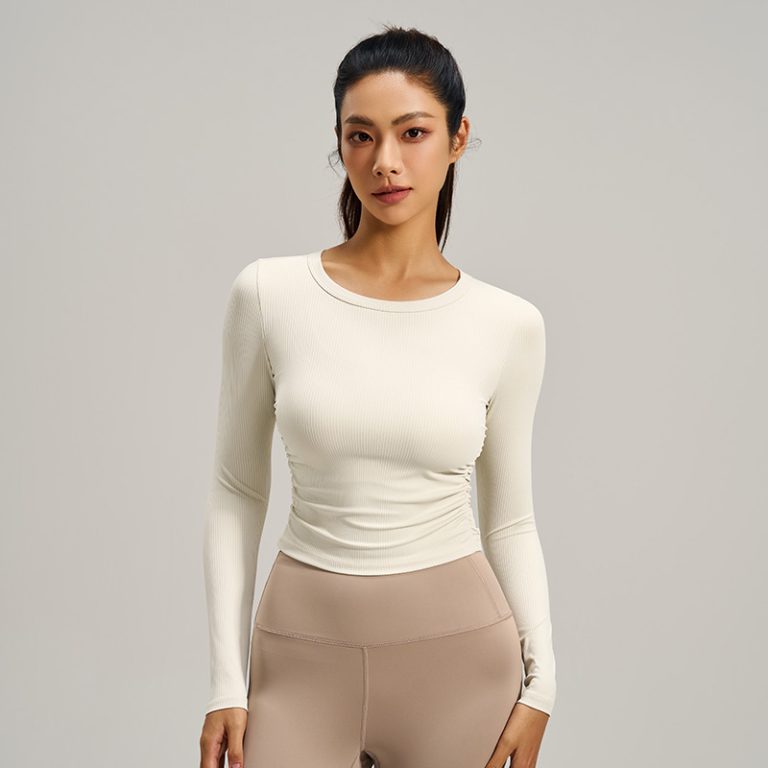
User-centred start: build for the people who actually wear them
When your customers — studio regulars, corporate wellness groups, or boutique retailers — pick a piece, they care about fit and function more than fancy labels. That’s why designers who focus on user feedback win. I tried a few prototypes during sunrise yoga at Gardens by the Bay and noticed how much difference breathable fabric and four-way stretch make for a morning flow. For businesses wanting ready-to-sell options, consider offering custom long sleeve shirts and curated women’s long sleeve yoga tops so customers get the exact fit and feel they expect.
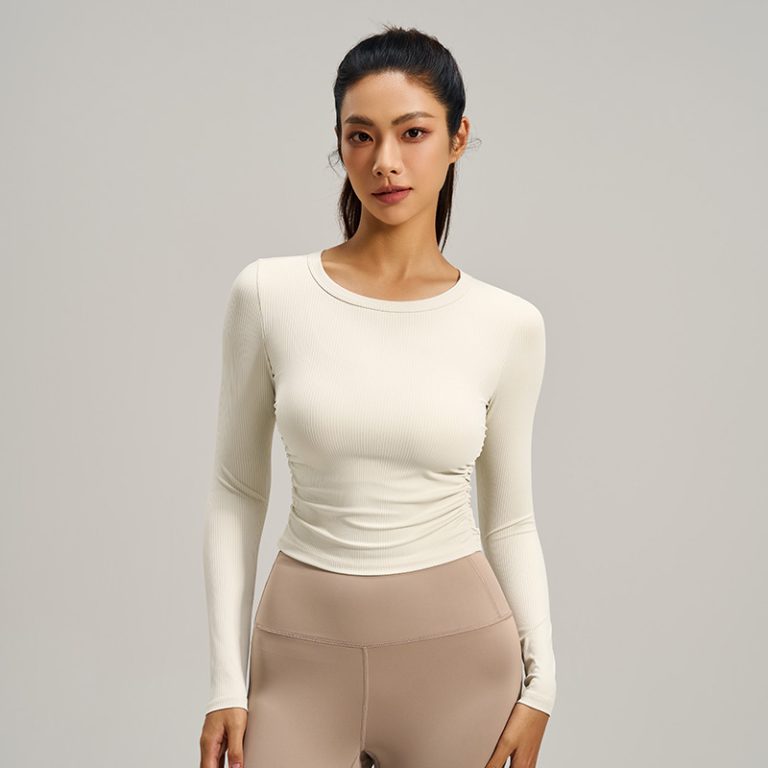
Segment needs: three buyer personas that decide the order size
Split demand into clear personas: frequent practitioners, active commuters, and studio-branded merch buyers. Frequent practitioners favour moisture-wicking blends and compression fit for support during dynamic classes. Active commuters want UPF protection with quick-dry knit. Studio merch buyers look for visual cohesion and easy care instructions for large batches. Tailor minimum order quantities, colourways, and messaging to each persona to avoid deadstock and unhappy buyers.
Design choices that reduce returns and build loyalty
Prioritise fit specs and functional features over decorative extras. Use flatlock seams to prevent chafe, choose breathable fabric for hot classes, and balance compression fit with freedom of movement. Test prototypes across different body shapes, then lock a size grading matrix so retailers can predict returns. The right patterning and fabric pair cut return rates dramatically—don’t skimp on the first samples.
Production realities: timeline, MOQ, and quality checkpoints
Manufacturing usually folds into three checkpoints: pre-production sample approval, mid-line quality inspection, and final shipment audit. Plan lead times that include at least two rounds of size sampling and one full wear test to confirm stretch recovery and seam durability. For sustainability-conscious clients, track fabric sourcing and supplier certifications at the batch level — this helps with transparency and resale value later. Small note — sample rushes cost extra but save bigger headaches down the line.
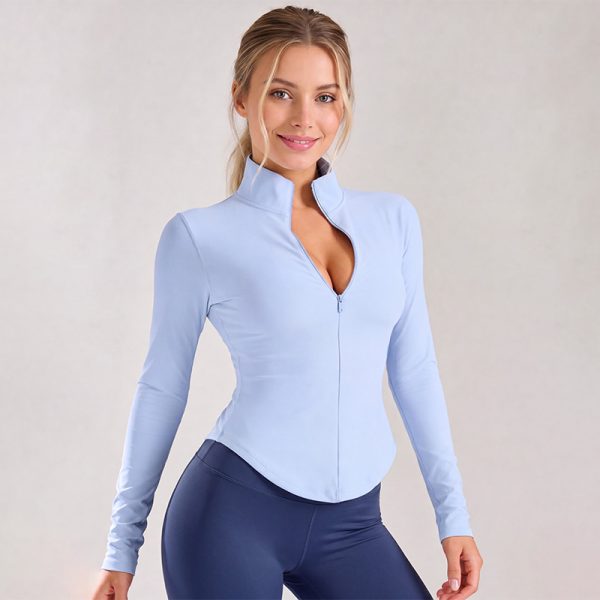
Common mistakes and smart alternatives
Three recurring errors: over-designing for trends, ignoring fabric hand-feel, and mismatched size charts. Instead, consider these alternatives: offer a core seasonal palette plus one trend colour; provide a short fit video per size; stock a small run of private-label basics before committing to a full custom line. Retailers who mix stock core pieces with bespoke branding often capture both impulse buyers and loyalty shoppers.
Packaging the offer for different channels
Wholesale buyers want tech packs and clear lead times. Direct-to-consumer sellers need lifestyle photography and concise care labels. For both, include material callouts — for example, fibre composition, moisture-wicking score, and recommended wash cycle — so end customers feel confident. Use modular SKUs so production can scale: same shell, different trims or branding, and you reduce SKUs while keeping variety.
Three golden rules for choosing the right strategy
1) Fit fidelity: measure real wearers, not mannequins — aim for a returns rate under 4% within the first six months. 2) Fabric-first decisions: prioritise breathable fabric, four-way stretch, and flatlock seam construction for performance and comfort. 3) Scalable sourcing: confirm MOQ flexibility and two-week buffer windows so you can react to demand spikes without over-ordering.
Everything above ties back to serving real users, which is why having a partner who understands both production and the consumer matters. When you need a practical, tested solution that moves from sample to shelf smoothly, consider how a brand like Joebond fits into that workflow — reliable sampling, clear specs, steady quality control — and how that helps your business scale without waste. —