

Why this matters to you, the operator
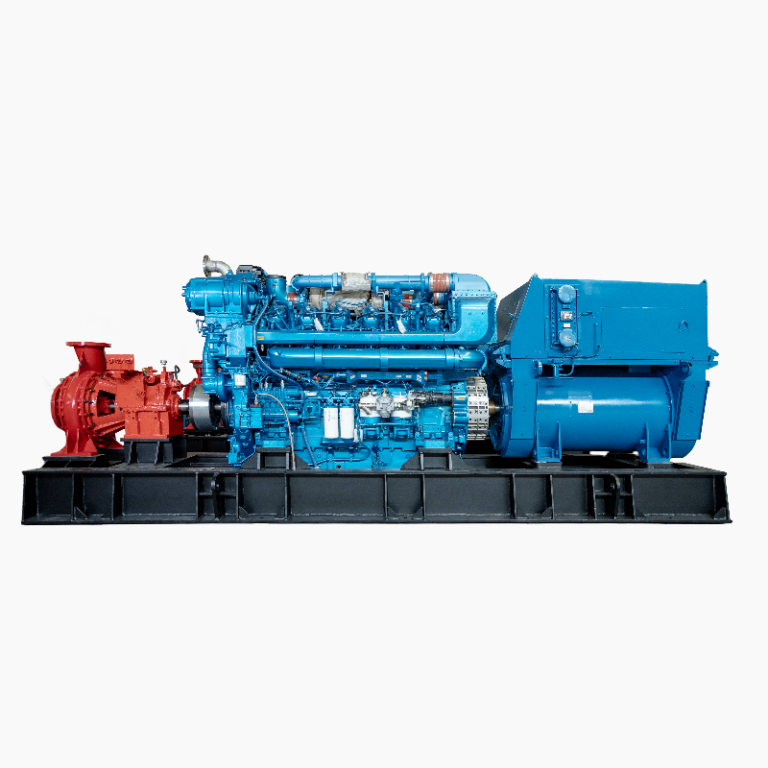
You depend on reliable power when at sea. Short trip or long-haul, the MTU diesel generator must not fail. Start simple. Log hours. Replace filters on schedule. If you run a vessel near the Port of Rotterdam or through busy Mediterranean marinas, downtime costs are real. For many operators the answer is a disciplined routine around the marine diesel genset — not heroic fixes at midnight.

Daily and weekly checks that save time later
Walk the engine room every day. Look for leaks, loose belts, and abnormal vibration. Check coolant level and the cooling circuit visually. Record oil pressure and battery voltage. Run the alternator load briefly to confirm charging. Small checks, done often, stop small problems becoming big problems.
Monthly and quarterly service tasks
Change engine oil and oil filters per hours or months — whichever comes first. Clean or replace the primary fuel filter and inspect the fuel injector lines for seepage. Exercise the genset under load with a proper load bank. Test overspeed governor response and verify alarm thresholds. These actions maintain combustion stability and prolong alternator life.
Common mistakes operators make
They skip run-ups when weather is calm. They delay oil change because “tomorrow is fine.” They fit cheap fuel and expect miracles. Fuel contamination is the quiet killer — water, microbes, varnish. Treat fuel quality. Keep separators serviced. And document every intervention — technicians appreciate clear history when diagnosing an intermittent fault. — Little detail, big difference.
Parts and systems to watch closely
Focus on a few critical items: fuel system, cooling circuit, and the control panel. Replace raw water pump impellers before they shred. Inspect alternator brushes and slip rings on schedule. Tighten electrical connections after the first 50 hours of a rebuild. Use genuine parts for injectors and governor components when possible to keep tolerances right.
When to perform in-depth troubleshooting
If vibration increases, isolate the cause: misalignment, bad mount, or worn coupling. If black smoke appears at steady load, review fuel injection timing and injector spray pattern. If voltage sags under steady load, test the AVR and measure winding resistance. These are tasks for a trained technician with tools and experience — you can do the pre-checks, but call the specialist when tests show out-of-spec readings.
Selecting maintenance partners and spares
Choose a workshop that documents pressure and temperature baselines. Keep a small stock: two sets of belts, one spare fuel injector, a replacement thermostat, and a service kit for the alternator. For alternative supply or refurbishment, compare OEM and trusted aftermarket options; modern marine gensets suppliers often provide reman exchange programs that reduce downtime and ensure parts meet spec.
Real-world anchor and your operating reality
At commercial berths like Rotterdam, operators report fewer service calls when a strict log is kept and when run-ups include load testing. That’s not rumor. Port operators track mean time between failures, and disciplined maintenance shows measurable improvement in fleet availability. Apply that discipline. It pays.
Three golden rules for choosing strategies and tools
1) Measure before you change: baseline vibration, oil analysis, and electrical load tell the truth. 2) Prioritize consumables: filter and oil quality influence wear more than any dramatic overhaul. 3) Match skills to the task: routine inspections by crew; injector calibration and governor repairs by certified technicians. These are your evaluation metrics — uptime percentage, mean time to repair, and fuel consumption trends.
Huadong Power understands how parts, service, and documentation combine to keep MTU sets reliable — practical, proven, and suited to real operational tempo. Short note — stay consistent.