
Introduction: A Quiet Problem with Loud Costs
Have you noticed how a shop can look busy while quietly bleeding profit? A modern CNC turning and milling machine will cut metal in minutes, yet shops still lose hours to setups, misalignments, and unclear workflows. Data from shop-floor surveys often point to 15–30% of productive time eaten by non-cutting activities — changeovers, tool offsets, and minor troubleshooting (we’ve seen it ourselves). So why do the same small faults keep sneaking back into production, despite investments in automation and better controls?
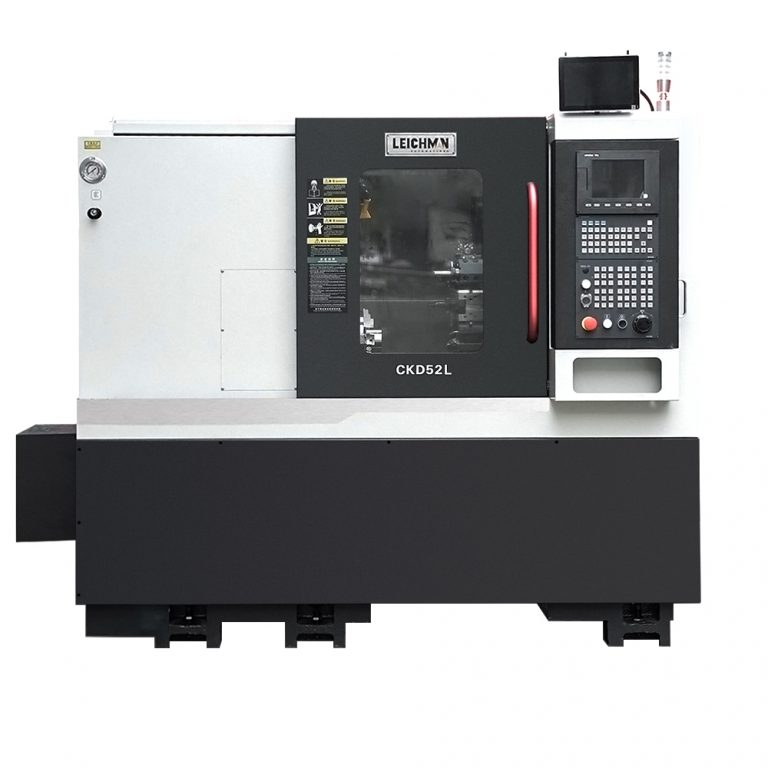
I want to pause and think about that. There’s more beneath the surface than a broken part or a dull tool; it’s about information flow, human decisions, and hidden friction between systems. Edge computing nodes, spindle speed tuning, and even power converters play parts you might not expect. Let’s move from that question into a sharper look at what really fails and why. — and yes, I’ll keep this practical.
Part 1 — Where Traditional Fixes Fall Short
cnc milling and cnc turning are the backbone of mixed-operation shops, but old fixes often miss the full picture. I’ve seen managers throw money at faster tool changers or higher spindle rpms and expect problems to vanish. Instead, issues persist because we fix symptoms, not the information gaps: poor tool data, inconsistent tool offsets, and lack of traceable setup steps. Live tooling may spin faster, but without accurate offsets, tolerances still slip.
What breaks first?
Most failures start at the handoff points — human to machine, machine to MES. Tooling lists get stale, coolant settings vary, and servo drives drift (that slow creep that ruins repeatability). Look, it’s simpler than you think: standardization and clear feedback loops stop many repeat issues. I’ve coached teams to document just three setup checks and watched scrap rates drop. The key terms here are tool setter calibration, tolerance stacks, and fixture repeatability — get those right, and many downstream troubles never appear.
Part 2 — Principles for Moving Forward
Now I want to shift to new technology principles that actually help on the floor. Think less flashy and more connective: sensor-driven feedback, automatic tool identification, and closed-loop corrections. When a cnc heavy duty lathe reports spindle vibration and the control compensates in real time, you reduce rejects without stopping the line. This isn’t magic. It’s about integrating condition monitoring, CNC servo drives, and simple analytics so the machine speaks up before an operator needs to.

Real-world tweaks
In practice, that means adding a consistent tool data system, pairing force or vibration sensors with the controller, and training teams to trust automated alerts. I’ve seen a plant cut inspection time in half using these moves — small sensors, clear dashboards, and a rule: if the sensor reads out of band, pause and inspect. The cultural change matters as much as the tech. — funny how that works, right?
To close, here are three metrics I use when evaluating solutions: 1) Mean time to detect a setup error, 2) Reduction in non-cutting time per batch, and 3) First-pass yield improvement. Evaluate tools against those numbers and you’ll see which investments pay off. I prefer simple, measurable goals over shiny specs. In my experience, those metrics reveal the truth faster than vendor promises. For reliable machines and sensible integration, I routinely point teams toward Leichman.