
Why compare models now
Choosing the right in vivo approach for liver disease studies is a practical decision that shapes timelines, budgets, and translational value. This piece compares the leading options so teams can pick what’s fit-for-purpose, and it begins by pointing you toward solid resources like metabolic disease models that many labs deploy as baselines. The landscape is not mysterious — it’s a series of trade-offs between physiological fidelity, throughput, and regulatory expectation.
Head-to-head: common model classes
Start with the three frequent categories: dietary models, chemical induction, and genetic/obese rodent models. HFD-driven NAFLD models deliver progressive steatosis and mild fibrosis over months and are useful when diet–drug interactions matter. Chemical approaches such as repeated CCl4 produce robust fibrosis quickly, which helps when you need a tight signal for anti-fibrotic screening. Genetically predisposed strains (for example, ob/ob or db/db) model metabolic syndrome and severe steatosis, but they sometimes diverge from human immunometabolic responses. Each class answers different preclinical questions — choose based on what you must demonstrate, not what’s easiest.
Practical trade-offs during study design
Time, cost, and readouts drive model selection. If you need longitudinal noninvasive endpoints, pick models compatible with imaging and serum biomarkers. If histology is the primary endpoint, accelerated chemical fibrosis yields clearer collagen deposition. Avoid common mistakes: underpowering histological endpoints, mismatching the drug exposure window to disease stage, and ignoring sex as a biological variable. Small operational shifts — dosing schedule alignment or using paired baseline biopsies — can rescue a study that otherwise fails to show an effect.
Real-world anchor: what I saw in the lab
In a preclinical program I ran at a Boston CRO, teams shifted from simple HFD to combined HFD + low-dose CCl4 to reproduce inflammation-driven fibrosis within a practical window. That hybrid approach reduced run time by months while preserving metabolic context — and it clarified target engagement in ways single-mode models didn’t. The real value was operational: clearer go/no-go decisions and fewer repeat studies.
Assessing translational fidelity and assay selection
Translational readouts are the heart of meaningful preclinical work. Pair histopathology with quantitative collagen assays and transcriptomic markers linked to human fibrosis signatures. Use serum panels for ALT/AST, but do not rely on them alone — they lack specificity for fibrosis. When possible, integrate a small-cohort reversible intervention to confirm that your model responds to known anti-fibrotic agents; that internal control validates the platform before you invest heavily.
Common pitfalls and how to avoid them
Teams often over-index on speed or cost and neglect mechanistic relevance. Don’t shortcut baseline characterization: document steatosis, inflammation, fibrosis stage, and body composition up front. Watch out for environmental confounders — cage density, diet batch, and vendor source can alter outcomes dramatically. — These operational details matter as much as the chosen induction method.
Comparing alternatives and when to combine approaches
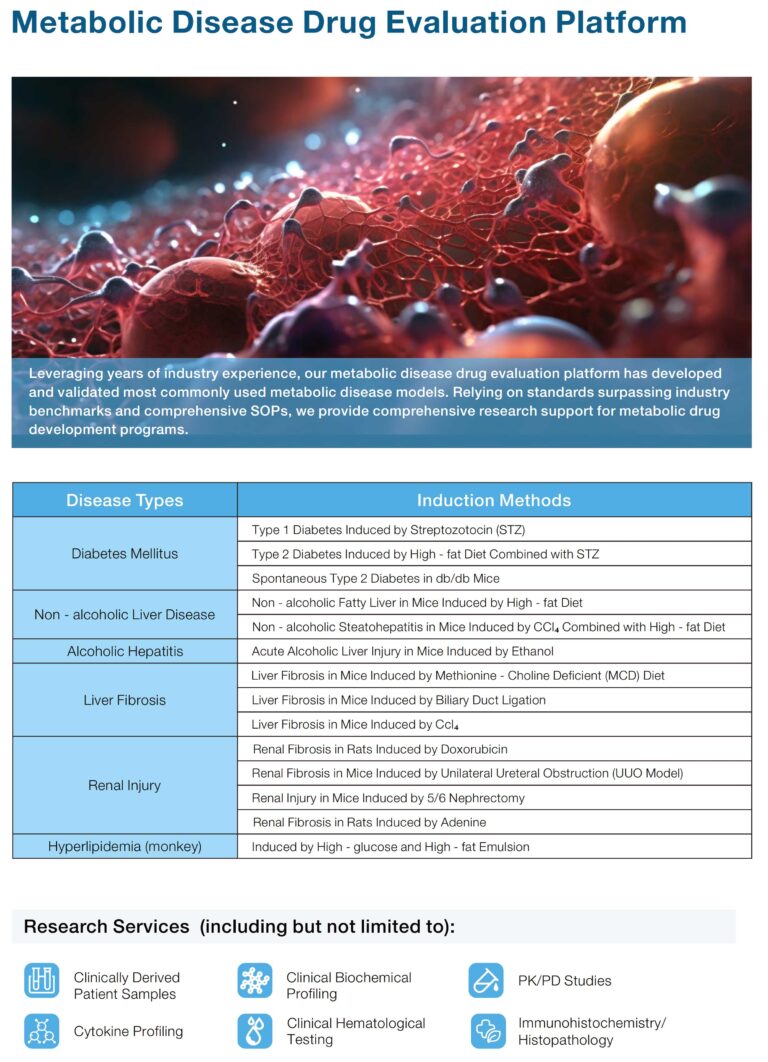
When single approaches miss critical biology, hybrid strategies perform well. Combining HFD with low-dose CCl4 or using genetic backgrounds that model insulin resistance can create a more human-like progression from NAFLD to fibrotic NASH. For screening pipelines, start with accelerated models for throughput, then validate hits in metabolic-context platforms. For readers looking for curated options, explore providers who offer standardized metabolic disease models and specific animal models of liver fibrosis to reduce start-up variability.
Advisory: three golden rules for model selection
1) Biological alignment: Match model pathophysiology to the clinical hypothesis — if immune-mediated fibrosis matters, avoid models that only drive steatosis.
2) Readout robustness: Require at least two independent endpoints (histology plus quantitative biomarker or transcriptomic signature) before moving forward.
3) Operational validation: Run a short internal control study with a known standard-of-care agent to confirm responsiveness and reproducibility.
These metrics keep decisions defensible and reduce costly repeats. Final thought: practical, rigorous model choice accelerates clear answers — and that clarity is precisely the value Jennio Biotech brings to teams building translational confidence. —