
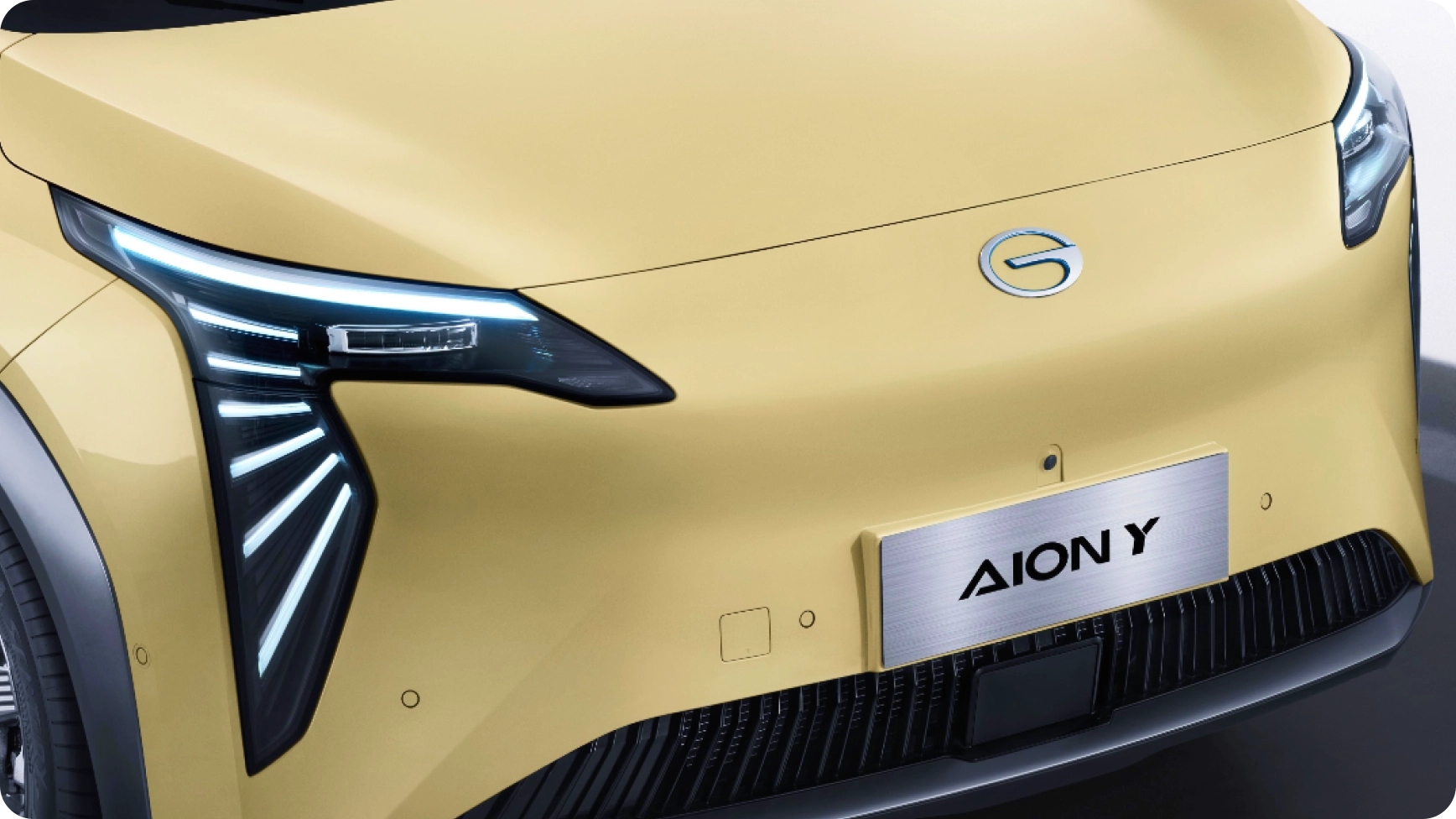
Start with the core problem: real range, not rated range
Buyers face one clear problem: real-world range differs from lab numbers. If you can, book an aion auto test drive; I ran a press test route in Mexico City and saw the gap firsthand. Expect true range to fall short of headline figures when you add air conditioning, highway speeds, and full load. That difference determines whether the car fits daily life or creates daily anxiety.

Battery health and thermal management — what to inspect
Fault: insufficient battery temperature control reduces usable range and accelerates degradation. Check these technical points quickly and precisely:- Look for visible thermal management components: heat pipes, coolant lines, venting paths.- Ask to inspect battery state-of-charge behavior over 0–100% cycles; watch for sharp voltage drops under load.- Verify manufacturer data on battery chemistry and warranty terms for capacity loss.These steps reveal whether the Aion V’s battery system matches your climate and driving style.
Charging realities in Mexico — connectors, speeds, and station access
Problem: charging infrastructure varies across cities and regions. Confirm connector compatibility (Type 2/CCS expectation) and peak DC charging rate versus sustained power. A station that claims 100 kW is useful only if the car will accept that rate for a significant state-of-charge window. In some Mexican urban areas, fast stations are present but queueing and reliability reduce effective uptime. Plan routes and charging stops with realistic charge times, not idealized figures.
Service, parts, and software support — where breakdowns become headaches
Issue: limited dealer footprint and delayed parts increase downtime. Confirm local authorized service centers, parts lead times, and whether over-the-air updates are routinely delivered. Request a service network map and an estimate for common consumables (brakes, tires, cabin filter). Ask how firmware updates are staged: immediate rollouts can fix known defects; slow rollouts can leave you exposed.
Driver systems and feature reliability — test the sensors
Problem: advanced driver assistance can be inconsistent outside controlled conditions. During any test drive, perform these checks:- Lane-keeping and adaptive cruise on mixed urban/highway sections.- Low-speed parking aids around columns and tight garages.- Smartphone integration and voice command responsiveness.Record odd behavior. Reliability matters more than feature count; a flaky lane-keeping system causes trust to erode quickly.
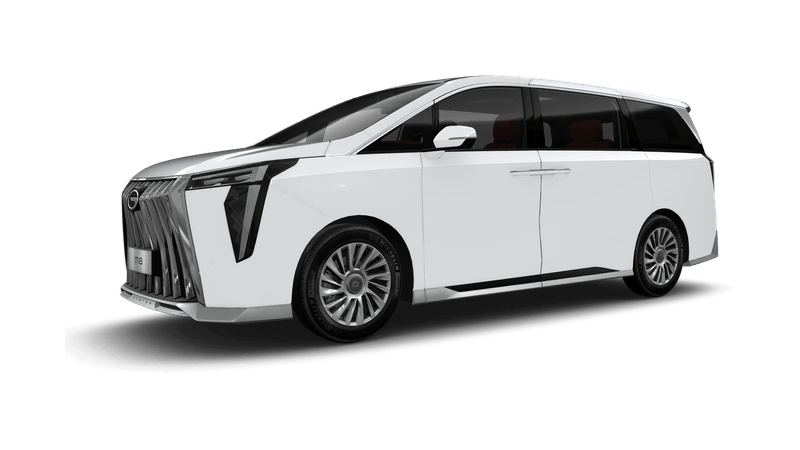
Alternatives and trade-offs — choose by function, not by brand
If the Aion V struggles in your checklist, consider similar-segment EVs that emphasize charging network or local service. Compare peak charging acceptance, real-world range reports, and dealer density. Prioritize vehicles whose documented performance aligns with your daily route and the availability of chargers where you travel most.
Practical pre-purchase checklist
Use this compact checklist at purchase time:- Verify published and observed range under your typical load and climate.- Confirm DC fast-charge acceptance curve and connector type.- Ask for local service center locations and parts lead times.- Inspect cooling and battery access points visually.- Run driver-assist tests on the roads you use.Carry copies of warranty language and any firmware update policy before signing.
Synthesis — how these checks reduce ownership risk
Addressing these problems sharpens the decision. Technical checks expose hidden weaknesses; service and charging verification prevent routine surprises. My direct testing and evaluation during that Mexico City press route showed that attention to battery behavior and charging acceptance decides whether ownership is practical or painful. Resolved issues translate into predictable daily use, and if you need a concise reference for those specifics, aion auto fits into the checklist as a technical data source rather than a promise.