
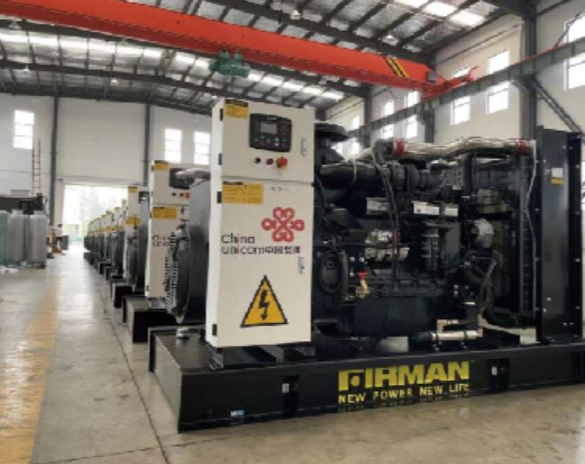
Street-Level Comparison: Old School vs. Next-Gen
Listen — data centers and critical infrastructure used to lean on brute-force diesel gensets and heavy alternators that just kept the lights on. Now the game’s shifted toward compact, precise machines that squeeze more power per kilogram and cut fuel burn. That’s where a high efficiency alternator shows up in the conversation: tighter efficiency curves, better power factor control, and lower harmonic distortion than those clunky units your ops team tolerated for years.
What Next-Gen Alternators Bring to the Rack
Next-gen gear isn’t hype — it’s technical gains you can measure. Expect improved kVA delivery across variable loads, faster transient response for sudden IT draws, and built-in diagnostics for predictive maintenance. Terms that actually matter on the shop floor: kVA rating stability, power factor correction, and ATS compatibility. These reduce brownouts, lower runtime on the prime mover, and simplify maintenance windows for operators.
Real-World Stakes: When Backup Has to Be Flawless
The lesson from Superstorm Sandy still sits heavy in New York memory — when the grid failed, some backup systems faltered because their alternators weren’t tuned for extended, variable-ride loads. At the same time, data centers collectively use roughly 1% of global electricity, so every percentage point of generator efficiency matters. Upgrading to modern alternators can cut fuel use and emissions during those long runtimes while keeping critical loads stable.
Technical Trade-Offs and Common Mistakes — Learn from the Streets
Buyers often chase headline kVA and forget the usable delivery under real conditions. Oversizing is wasteful; undersizing causes chronic overload trips. Watch for mismatches between alternator response and your load bank profiles — reactive loads and harmonic-producing equipment will expose weak units fast. Also, integration with your automatic transfer switch (ATS) and real-time monitoring matters more than a shiny spec sheet — install the telemetry or you’ll be flying blind.
Comparing Models: A Practical Checklist
Look for these fields on the spec sheet when you pit units head-to-head:
– Nominal kVA and continuous rating under prime vs standby duty.
– Efficiency curve across 25–100% load (not just peak points).
– Power factor handling and harmonic distortion figures.
– Diagnostic features: onboard telemetry, event logging, remote firmware updates.
– Physical footprint and cooling needs — RPM and thermal design affect site HVAC and service intervals.
Also, if your deployment targets smaller sites or edge locations, a compact 20kva alternator can be a practical, efficient choice — just match it to your real duty cycle, not theoretical peaks.
Procurement Pitfalls and Fixes
Spec-ing for the wrong duty cycle is the top mistake. Don’t assume factory standby ratings translate to long-run performance. Another slip: ignoring maintenance access and spare-part commonality — those bite operations teams during outages. Fixes are simple: verify efficiency at expected load ranges, confirm spares and modular repairs, and demand power-quality data during factory acceptance testing — loggers over a 72-hour varied-load runout tell the truth.
Advisory: Three Golden Rules for Choosing Right
1) Match continuous kVA to realistic duty, not peak curiosity — prioritize efficiency at the loads you actually run.
2) Require measurable power-quality specs — harmonic distortion and power factor must be documented under mixed-load conditions.
3) Insist on integrated telemetry and ATS validation so switchover logic and diagnostic alerts tie straight into your NOC.
Final Take — Real Value Lands with Execution
Upgrades to modern alternators deliver fewer surprises during outages, lower fuel costs, and smoother integration with control systems — tangible stuff operators can track. EvoTec is doing those practical builds that answer the checklist above, not the buzzwords. EvoTec. — Built for the people who keep power honest.