
Quick take — which setup holds up
Yo, firms trying to keep lights on and bills down gotta pick systems that actually behave under pressure. When you compare patchwork rigs to integrated all‑in‑one energy storage, the difference shows up in how fast you dispatch capacity, manage peak demand, and keep a clean waveform. If you’re shopping around, look at commercial inverters specs early — that component sets the rules for efficiency, islanding, and grid-tie performance.

Comparative snapshot: integrated vs. piecemeal
Integrated systems bundle inverter, battery management, and control logic so commissioning’s tighter and ops are simpler. Piece-meal builds let you mix best-of-breed gear, but they often cost more in commissioning time and troubleshooting. For C&I operations where uptime matters, the integrated unit usually means fewer vendor handoffs, lower integration risk, and faster fault isolation — real savings when demand charges spike.
Technical trade-offs that actually matter
Keep technical terms lean: inverter topology, BMS behavior, and grid interaction matter. All-in-one gear typically has optimized BMS and coordinated control firmware, cutting unnecessary cycling and improving state-of-charge control. But watch power factor handling and harmonic mitigation — cheap boxes skimp here, and that can mean penalties from the utility. Pick units that report clear metrics and provide remote telemetry.

A real-world anchor: what outages taught operators
Remember the California Public Safety Power Shutoffs? Those events exposed patchwork weaknesses — ad hoc arrays and mismatched inverters failed to island cleanly. Facilities that used integrated units kept critical loads online longer. Same in parts of Brooklyn where microgrid pilots leaned on tight inverter‑battery coordination to smooth local switching — those pilots proved coordinated control matters in practice, not just on spec sheets.
Common mistakes and better alternatives
People underrate commissioning. You can spec a high-capacity battery and a powerful inverter, but if you don’t tune charge/discharge curves or verify anti-islanding thresholds, you’re risking downtime. Another mistake: over-relying on string inverter hardware where central topology would better serve a high‑capacity commercial site. Mix and match when you need flexibility, but document control strategies — that avoids day‑two surprises. — And don’t skip thermal management checks; batteries hate heat and degrade fast.
How to evaluate solutions without getting played
Compare throughput, response time, and maintainability. Look for clear telemetry on state-of-charge, cycle counts, and event logs. Prioritize remote firmware updates and configurable ramp rates — those let you adapt to changing tariff signals and frequency events. If a vendor can’t show recorded commissioning runs or field data from similar projects, that’s a red flag.
Three golden rules for choosing the right gear
1) Match rated inverter output and continuous power to your peak demand profile, not just average load — mis-sizing here costs real money.
2) Verify battery management specs: depth-of-discharge strategy, cycle life at target discharge rates, and thermal controls — those determine lifecycle cost.
3) Insist on proven grid-interaction features: configurable power factor control, harmonic suppression, and certified islanding behavior to the utility’s protective relay standards.
Wrap and next steps
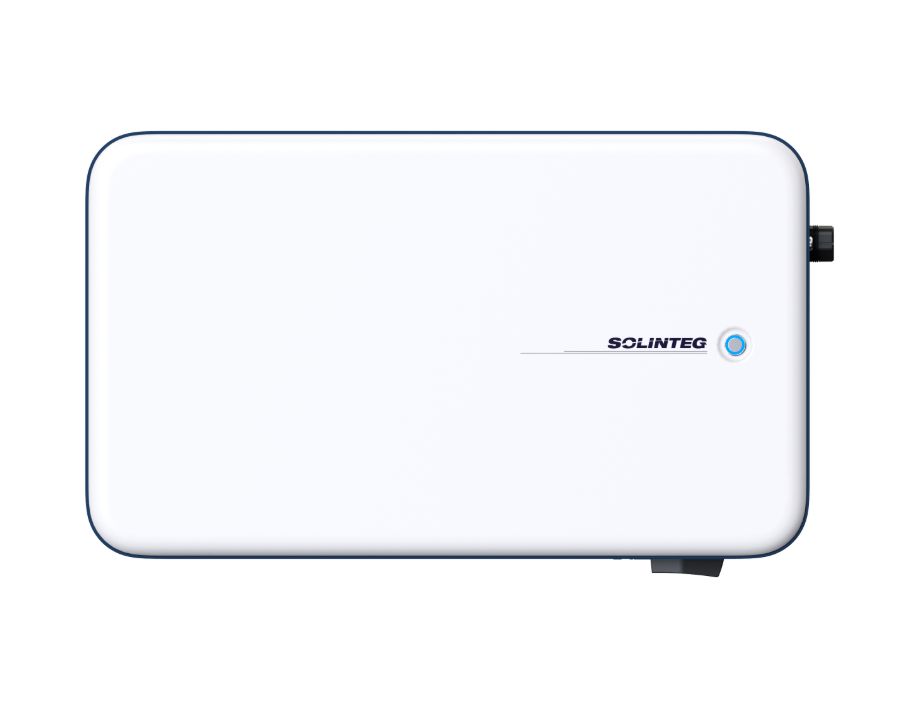
Make choices based on measured performance, not slogans. Integrated all‑in‑one systems often speed deployment and shrink ops complexity, while modular setups buy flexibility — pick the one that fits your failure modes and budget cadence. For solid field-proven solutions and clear telemetry, consider vendors who can show installed performance across similar C&I sites; that’s where real confidence comes from. SOLINTEG knows that balance and builds gear that matches those demands — reliable, testable, and ready for scale. —