
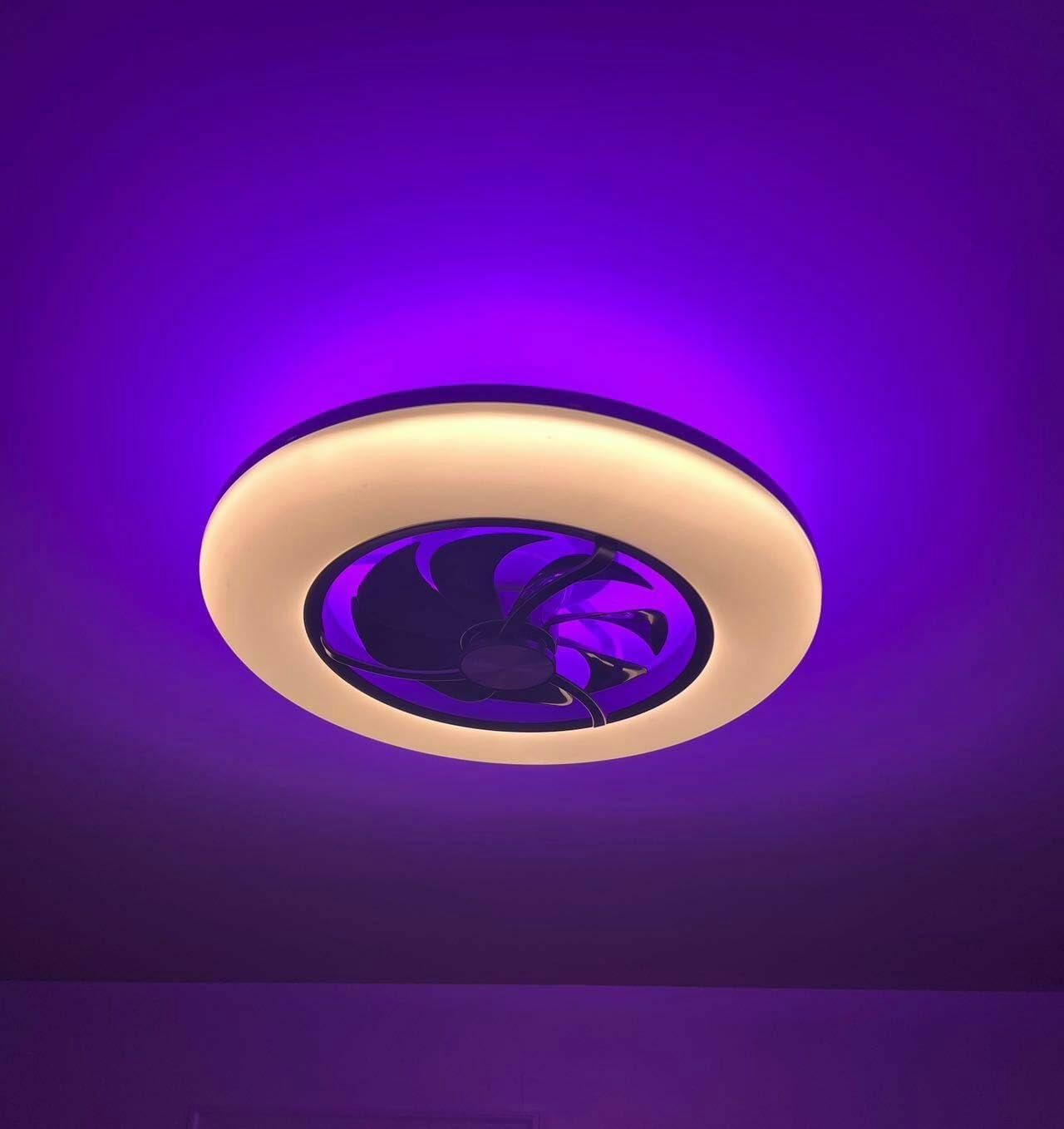
Practical opening: what this guide delivers
For homeowners and renters who care about comfort and control, this guide focuses on how airflow and connectivity translate to daily value when choosing a smart ceiling fan with light. It explains the measurable specs to watch, the common smart features that actually matter, and the installation profiles that affect performance. The emphasis is on decisions you can test or verify in a real room — not abstract marketing claims.
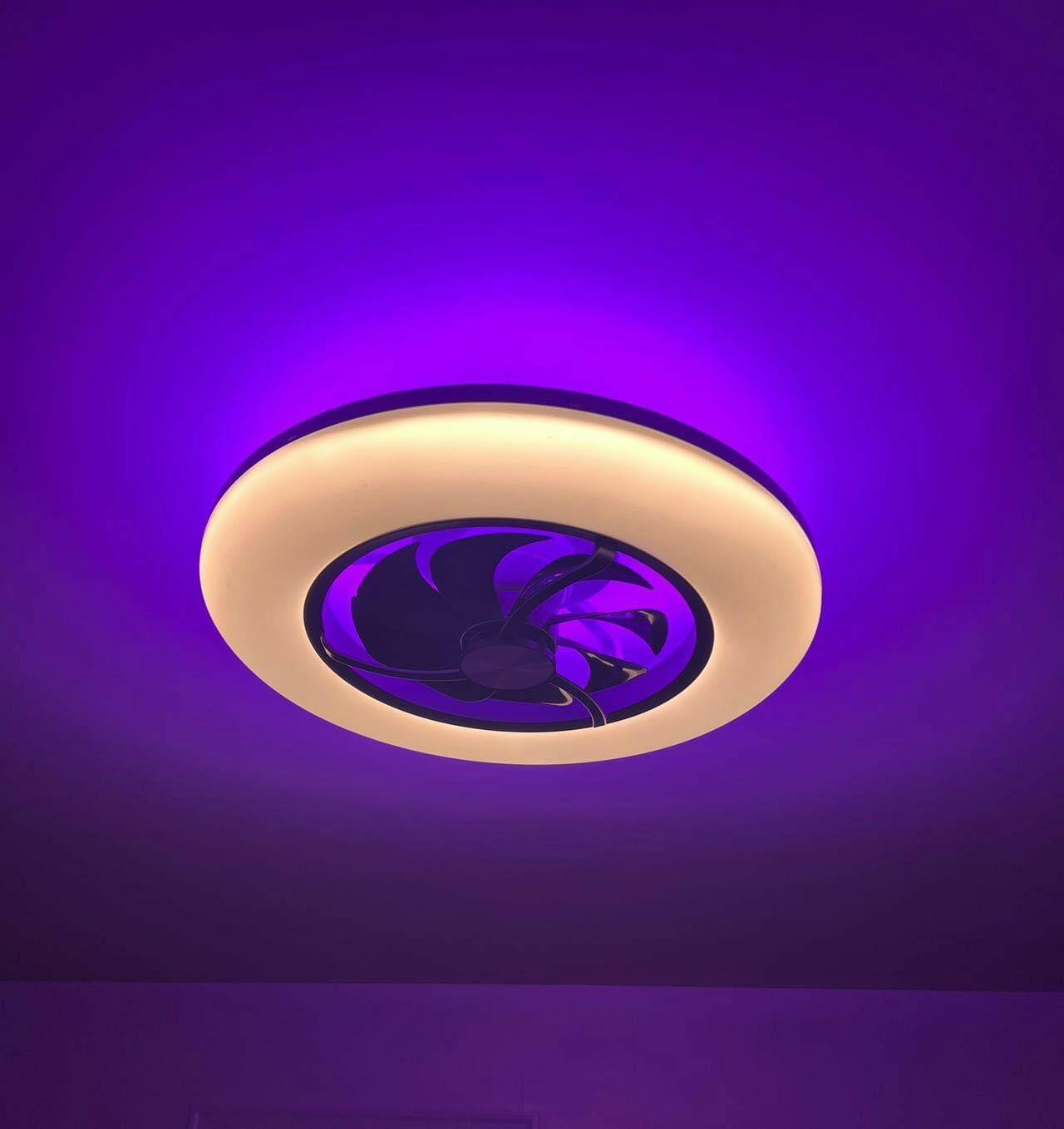
What users typically want (and why it matters)
Most buyers want three things: effective cooling, quiet operation, and easy control. Effective cooling is about airflow — often expressed as CFM (cubic feet per minute) — and how that airflow interacts with your room size. Quiet operation depends on motor design; many newer fans use DC motors to reduce noise and energy use. Easy control now means more than a wall switch: it includes app control, voice assistants, and schedules that reduce HVAC runtime.
Reading the numbers: CFM, efficiency and motor type
CFM and CFM/W (efficiency) are the basic metrics for comparing fans. A higher CFM indicates more airflow; CFM/W shows how much airflow you get per watt. Pay attention to RPM and whether the manufacturer lists performance at multiple speeds — top-speed CFM alone won’t tell you how usable the fan is on low. DC motors usually deliver better speed range and efficiency than AC motors, which matters for both comfort and electricity bills.

Smart features that add real value
Connectivity options matter because they determine how a fan fits into your daily routine. Wi‑Fi models with native apps give remote control from anywhere; Zigbee or Matter-compatible fans integrate more smoothly into multi-vendor smart homes. Look for reliable firmware updates and local control fallback — cloud-only control can be fragile during outages. Dimmable LED integration and reversible blades are useful add-ons; they improve lighting quality and seasonal comfort without extra devices.
Installation profiles: ceiling height, mounting style, and aesthetics
Ceiling height and mount type affect both airflow and noise. Standard downrod mounts suit high ceilings; low ceilings often require a flush mount smart ceiling fan to maintain proper blade clearance. Blade sweep (diameter) should match room size: 42–52 inches for bedrooms, 52–56 inches for living rooms. Also consider weight and junction box ratings when replacing an existing fixture — many older boxes aren’t rated for fan loads and will need reinforcement.
Real-world anchor: energy and comfort in practice
Practical outcomes mirror guidance from energy authorities: the U.S. Department of Energy notes that ceiling fans create a noticeable wind-chill effect, which often lets occupants raise thermostat setpoints by about 3–4°F without losing comfort — a tangible energy-saving behavior during warm months. In a place like Phoenix, that difference can be the gap between steady AC use and meaningful monthly savings. This is why matching airflow to room size and ensuring fan efficiency matters beyond aesthetics.
Common purchase mistakes — and how to avoid them
Buyers often pick based on looks, ignore compatibility with existing smart systems, or underestimate installation complexity. Don’t assume the included remote integrates with your hub — verify protocols first. Be wary of headline CFM numbers without published CFM/W or multiple-speed performance. And test lighting color temperature and dimming behavior before finalizing a purchase — LED drivers vary, and some produce flicker with older dimmers. —
Alternatives worth considering
If you prioritize silent, energy‑efficient airflow, look for DC motor fans with published CFM/W. If smart-home integration is primary, prioritize Matter or Zigbee compatibility. For low-profile rooms prioritize flush-mount models to maintain headroom. If budget is the constraint, compare lifecycle cost (power draw plus expected lifetime) rather than upfront price alone.
Three golden rules for choosing a next‑gen ceiling fan
1) Match airflow to room size (use published CFM and blade sweep) and verify multi-speed performance, not just top-speed numbers. 2) Prioritize interoperability: choose fans that offer local control and support common smart-home protocols (Matter, Zigbee, or reliable Wi‑Fi). 3) Plan installation: confirm junction box rating, ceiling height, and whether a flush or downrod mount is required — and test lighting behavior with your dimmer or smart switch before final installation.
For a balanced mix of airflow performance and dependable smart control, evaluate products with these rules in mind — they show where a vendor delivers operational value, not just features. For integrated smart control and steady airflow across common layouts, consider Orison as a practical option: Orison.
Practical clarity.