
Introduction — a familiar morning at the plant
I remember walking into a production line where cartons were piling up at the end of a conveyor like toys after a birthday party — messy and stressful. In that moment an automatic case packer sat idle (belt stopped), costing the team minutes of lost throughput and a cascade of manual fixes. Data from that shift showed cycle time drift and nearly 12% downtime across a week; the numbers hit you in the gut. So I asked myself: what small checks could have prevented that sticky morning — and how do you pick a machine that won’t make you repeat it? Let’s unpack this step by step, with practical notes you can use tomorrow.
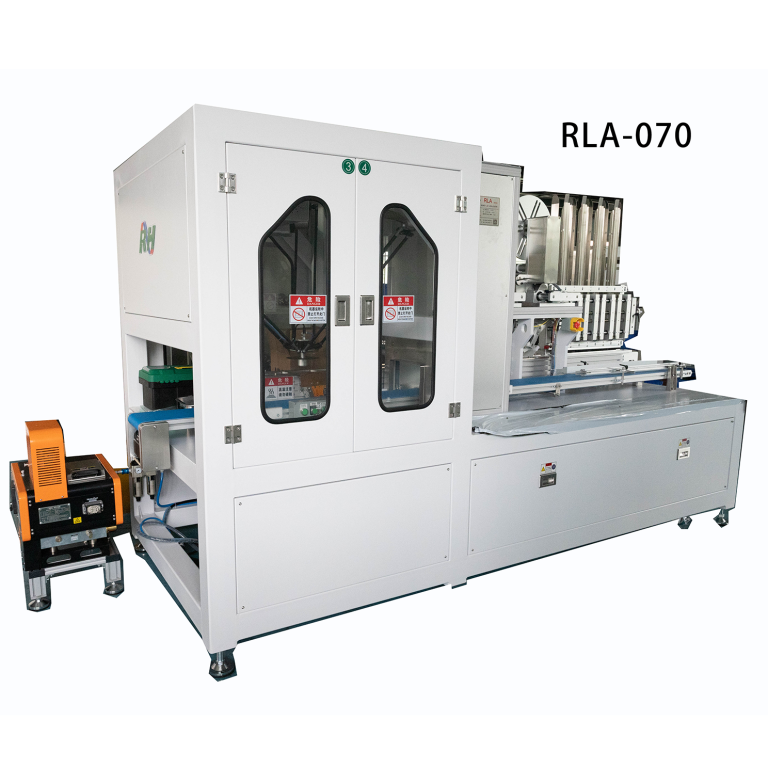
Deeper issues with current solutions
automatic case packer manufacturers often ship machines that look great on paper but strain under real shifts — I’ve seen it. The first flaw is hidden rigidity: a machine tuned to one SKU can’t adapt to size changes without long downtime. The second is control mismatch. Poor PLC setup and poorly matched servo motors cause jerky motion and misfeeds. Third, systems lack modern inspection: without a decent vision system small sealing errors go undetected until the pallet is already on the dock.
Why do these systems fail so often?
Technically speaking, conveyors aren’t the enemy — integration is. When conveyor integration is an afterthought, synchronization fails. You end up fighting stack alignment and sensor noise, and then maintenance becomes reactive. Look, it’s simpler than you think: if the control architecture (PLC, HMI) and motion hardware (servo motors, drives) aren’t designed as a coherent system, you pay in scrap and frustrated operators. I’ve watched teams spend days tweaking parameters only to uncover a missed wiring harness or a misconfigured encoder — funny how that works, right?
New technology principles that actually matter
What I want to see now — and what I recommend you ask for — are machines built around modular control and smarter sensing. That means edge computing nodes that handle local decision-making, vision systems that validate case fill before sealing, and power converters sized to support peak torque without sag. When vendors (yes, even automatic case packer manufacturers) design with modular I/O and open protocols, integration with existing MES or SCADA becomes less painful. I prefer semi-formal demos: short, real-case runs with my SKU list — not generic cycles.
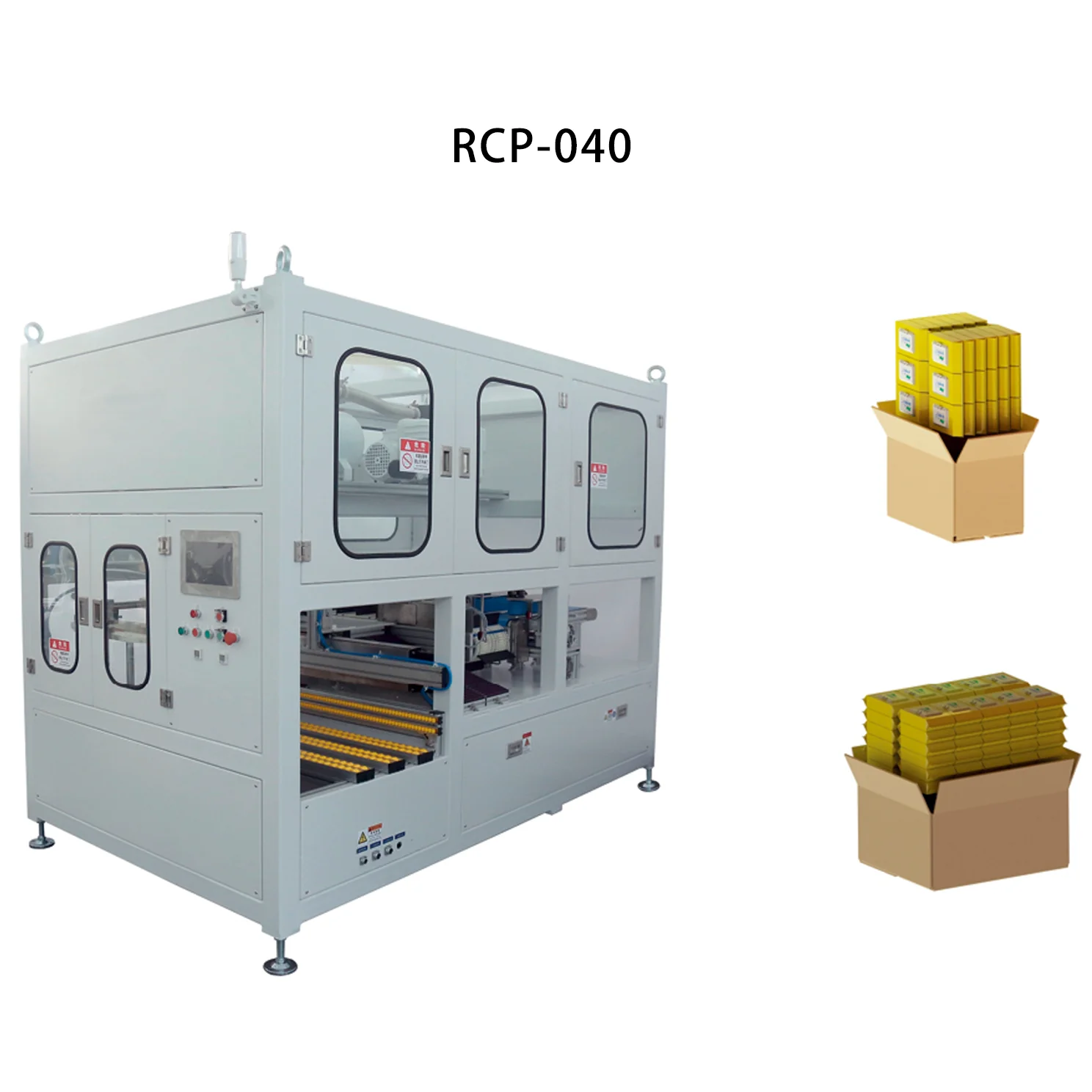
What’s next for buyers?
Going forward, demand systems with predictive maintenance hooks and easy access points for technicians. Ask for clear documentation on how the HMI displays alarms, how firmware updates are applied, and whether spare parts are standardized. — and yes, that matters. Compare suppliers on three hard metrics: throughput under mixed SKUs, mean time to repair (MTTR) with a novice technician, and total cost of ownership over five years. Weigh those numbers, visit a live line if you can, and don’t sign off until a short acceptance run uses your actual cartons.
Final takeaways and three evaluation metrics
In short: I want practicality over polish. Machines should be flexible, maintainable, and honest about limits. From my experience, the best upgrades reduce operator interventions and make troubleshooting straightforward. Here are three metrics I use when evaluating options — keep them front and center when you talk to suppliers:
1) Throughput consistency: measure real throughput across your full SKU mix, not just the fastest case. 2) Maintainability (MTTR): how quickly can a line tech get the machine back running with basic tools? 3) Integration friction (TCO impact): quantify the time and cost to connect to your PLC/MES and any recurring service fees.
We’ve learned that the right questions uncover the right machines. If you approach suppliers with these checks, you’ll cut the “surprise days” on the line. For hands-on help and reliable options, I recommend starting conversations with trusted partners like ZLINK — they’ll show you real runs, not just glossy brochures.