
Introduction — a small factory moment, some numbers, one big question
I remember standing next to a humming line in a small plant — the air smelled of soft fabric and sanitizer, and the crew were joking about lunch. In that moment I saw two things: the machine looked flawless, but the shift supervisor kept patching processes with tape and notes. The growing market for wet wipes means newer plants are adding more automation, and yes, a wet wipes making machine can push throughput — but does it really reduce day-to-day pain? (Factories clocking 20–40% higher output with “upgrades” is common — yet uptime often stays stubbornly mid-90s.)
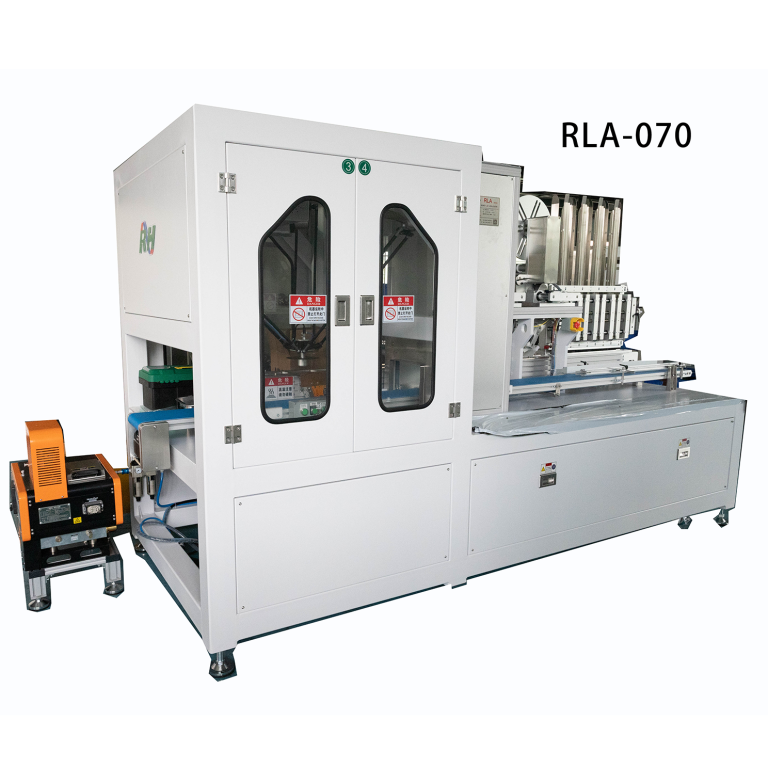
So I ask: how do we move from a flashy line to one that employees actually like to run? I’m writing this as someone who’s spent time on floors, not just in labs — I’ve seen PLC panels, servo motors, and rewind systems misused because the human side wasn’t considered. Let’s walk through what’s really failing, and how we can fix it. Next up: the hidden pain points that usually get brushed under the maintenance mat.
Hidden Pain Points in Wet Tissue Manufacturing
Right away: wet tissue manufacturing machine systems are built to perform, but people operate them. That mismatch creates problems I see again and again. Technically, the control logic (PLC sequences), servo motor tuning, and spool handling are solid on paper. In practice, operators wrestle with frequent format changeovers, unclear error messages, and fragile sensors that throw whole lines into stop mode. I’ve watched a skilled operator waste thirty minutes on a minor jam because the HMI used jargon — not clear steps. Look, it’s simpler than you think: a machine can be precise, but if the interface is cryptic, productivity drops.
Why do these issues persist?
We underestimate routine variability. Roll core sizes differ, adhesives change tackiness with humidity, and the rewind system can slip when spindle speed isn’t adjusted. The result: repeated manual interventions, higher scrap rates, and stressed crews. We also ignore data flow; edge computing nodes might collect signals, but without meaningful alarms or simple trend displays, teams don’t trust the numbers. I’m convinced the design gap is cultural as much as technical — vendors optimize cycle time, while buyers need robustness and clarity.
New Technology Principles to Make Production More Human-Friendly
What helps is not just more automation, but smarter automation built around people. I want to highlight a few guiding principles: simplify operator workflows, make diagnostics readable, and build adaptive control that tolerates real-world variability. For example, adaptive tension control in a wet tissue manufacturing machine can detect slight roll eccentricity and correct without a full stop — that cuts interventions and keeps morale higher. We can use power converters and simple local displays to isolate a failing section — the crew fixes one module, not the whole line.
What’s Next — practical steps
Start small. Implement clearer HMIs with step-by-step recovery prompts. Add predictive alerts that say “possible jam in 20 minutes” rather than cryptic fault codes. Integrate simple dashboards (even on tablets) so supervisors see trends without digging into raw logs. These changes—funny how that works, right?—reduce daily friction more than a 10% speed bump ever will.
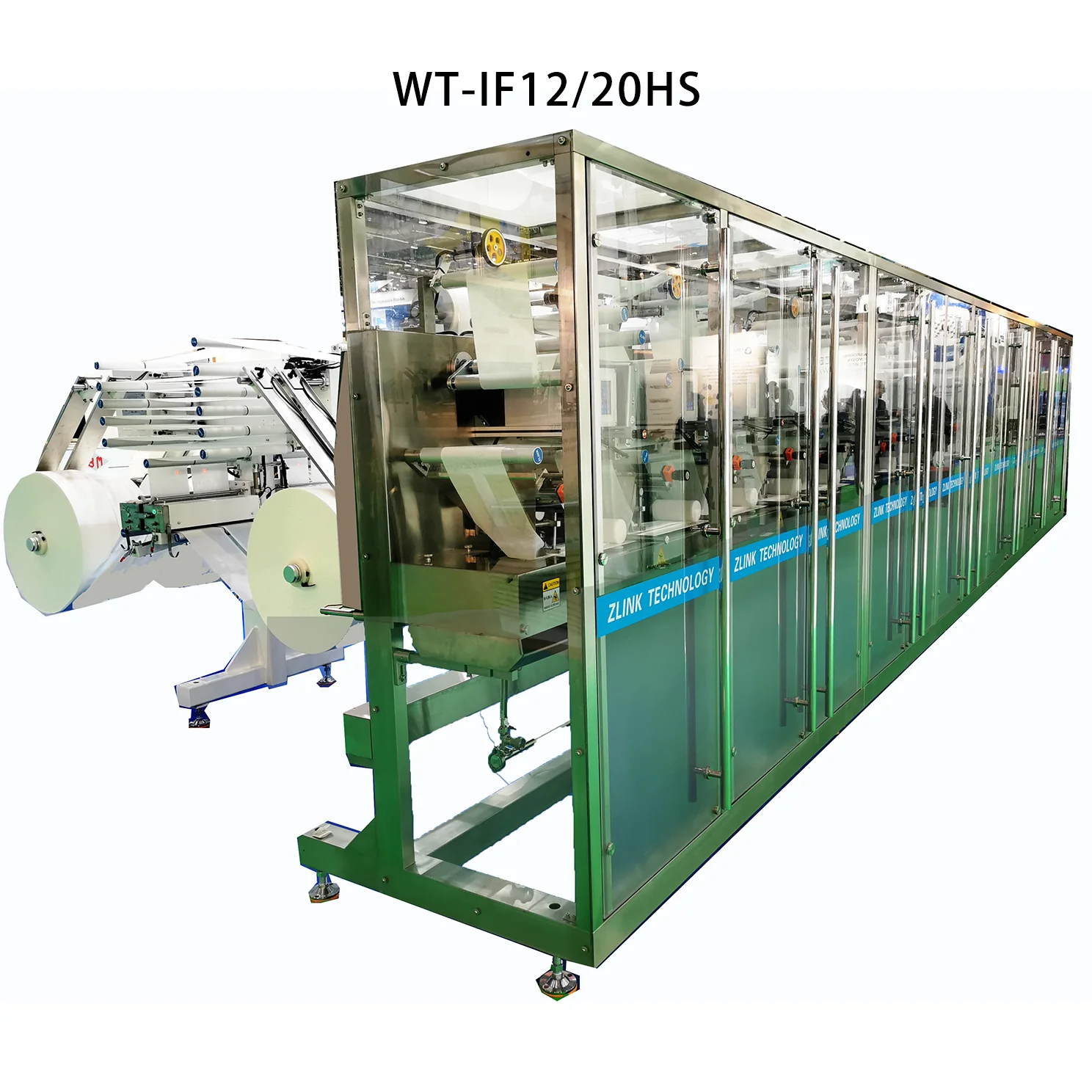
Summarizing the takeaways: people-first design lowers scrap, reduces unscheduled stops, and shortens training time. If you’re weighing upgrades, think beyond nominal throughput. Evaluate how a solution performs in the messy, real shop-floor world. To help you decide, here are three practical metrics I always use when comparing systems: 1) Mean Time To Recover (MTTR) for common faults, 2) Format Changeover Time under real conditions, and 3) Operator Error Rate measured after 30 days of use. Use those numbers — they tell the story machines alone can’t.
For anyone testing options, I recommend trying a pilot with hands-on operators, not just engineers. We’ve learned this the hard way: human-friendly design matters. For reliable partnerships and practical machines, I often point people to vendors who focus on that balance — like ZLINK.