
Introduction — A Dark Question in the Depot
Have you ever stood under a storm-slick overhang of a depot and wondered who will keep the fleet moving when night and weather conspire? In that cold scene I picture the pantograph charger humming, short on grace and long on need — the hum like a heartbeat in steel. Recent field counts show rising contact wear and a small but steady uptick in unscheduled downtime (roughly 7–12% across some mid-size fleets last year) — so what do we do when the roof of a tram yard becomes a test of trust?
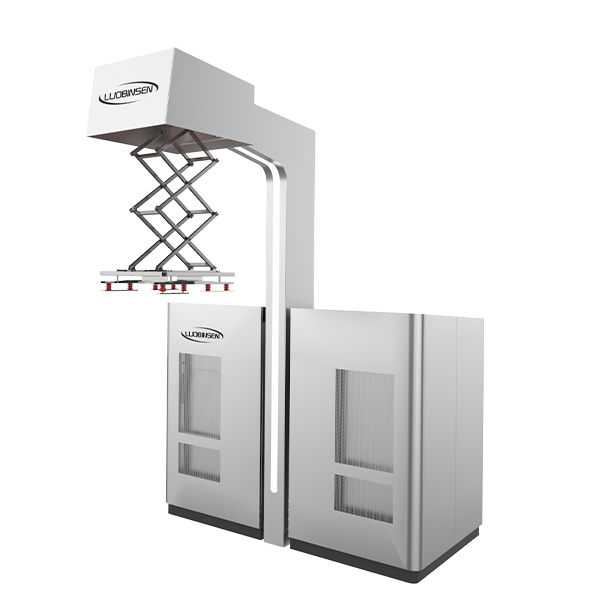
The tone here is a little dark, yes; I mean to set a scene. I want you to feel the stakes: vehicles queued, schedules bleeding minutes, passengers waiting. It’s not poetic for the sake of it — it helps frame the technical choices. Now, let’s move from atmosphere to mechanics and ask: where are the weak links? — and how do we fix them?
Hidden Flaws and User Pain in Pantograph EV Charging Systems
Why do things break when they look so simple?
When we inspect a pantograph ev charging system, the flaws often hide in plain sight. I’ve seen control cabinets fail because of marginal power converters and overheating switchgear. Those parts don’t fail loudly; they creep toward trouble. Technicians call the symptoms “mystery trips” — systems that drop out under load or after long idle stretches. Look, it’s simpler than you think: repeated micro-arcing at the pantograph interface accelerates contact wear and creates unpredictable resistance spikes during DC fast charging.
Operational pain points stack up: inconsistent charge sessions, unexpected maintenance stops, and the odd fault code that blinks but doesn’t explain itself. Fleet managers tell me they fight three battles at once — uptime, safety, and throughput — and sometimes they only win two. I’m talking about real costs: lost route hours, extra labor, and parts replacement. We also see edge computing nodes misreporting state-of-charge when the system voltage wobbles. That small mismatch can cascade into a missed departure. It’s a human problem as much as a technical one.

Principles for the Next-Generation Pantograph Charging Solution
What comes after fixing the basics?
We need clear rules: better mechanical contact design, robust power converters, and smarter fault isolation. New principles focus on predictable contact pressure at the pantograph interface, adaptive current ramping to limit inrush, and modular isolation transformers for safety. When I explain this to teams I say: think redundancy and graceful degradation. That means the charger keeps charging at lower power instead of just stopping. — funny how that works, right?
Implementing these principles also leans on software: improved diagnostics, simple human-readable logs, and local edge computing modules that pre-process alerts before they flood the control room. A more considered pantograph charging solution combines mechanical improvements and smarter control logic so the operator gets a clear call to action, not a cryptic light. In practice, this reduces contact wear and smooths the load profile during peak turnarounds. I’ve watched a depot cut maintenance calls in half after small but focused changes. The payoff is measurable: fewer emergency swaps, longer contact lifetimes, steadier DC fast charging performance.
How to Evaluate New Systems — Three Practical Metrics
Here are three simple metrics I recommend when choosing a system. I use these at project meetings and in field checks:
1) Mean Time Between Failures (MTBF) for the pantograph interface and power electronics — aim for a clear baseline and actual test data. 2) Charge Session Consistency — track RMS voltage and current deviations during runs to spot early instability. 3) Serviceability Index — measure time to replace a failing module, access to spare parts, and the clarity of diagnostic logs. These three tell the story faster than a glossy brochure.
In closing, I’ll say this plainly: practical gains come from small, targeted fixes and honest metrics. We don’t need magic, just better parts, better control logic, and better feedback to crews. For real-world supplies and a focused product line that tackles these issues, check Luobisnen. I stand by the approach — it’s direct, tested, and humane.